
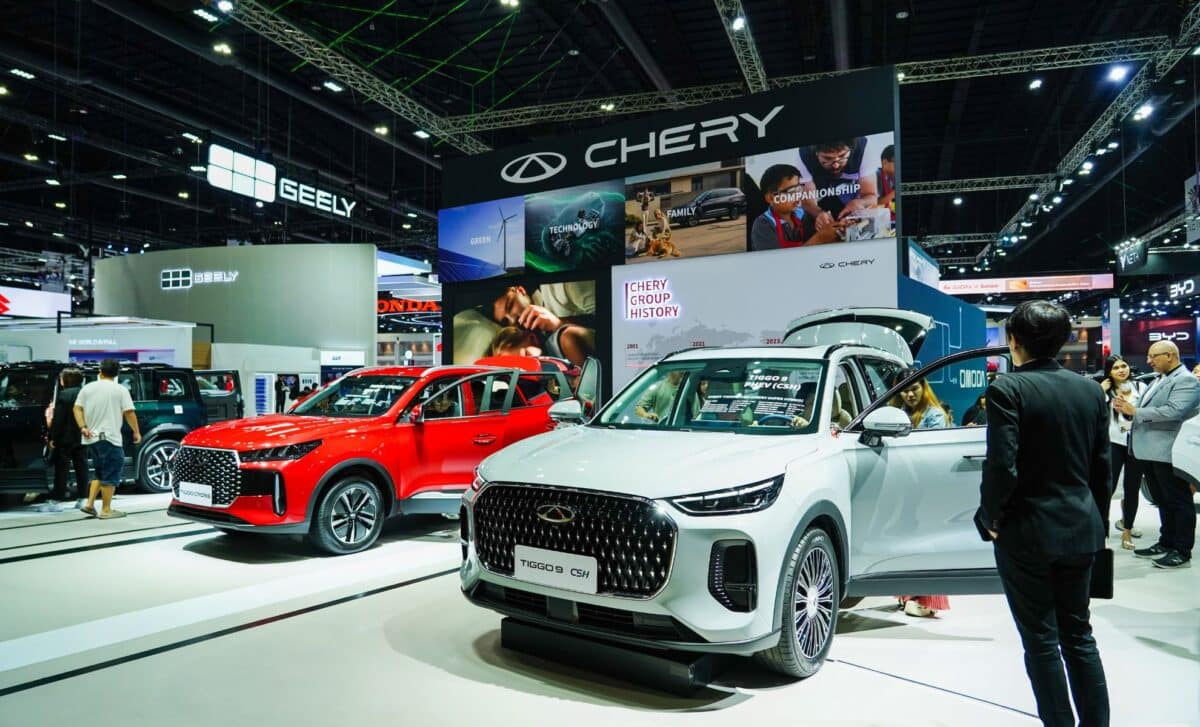
Founded in 1996 in Wuhu, Chery began as a low-cost brand, once even branded as “Cheery.” Its transformation into a global player mirrors the rapid evolution of China’s automotive sector, where electric vehicles and competitive pricing are challenging long-established manufacturers.
The company’s latest moves highlight both industrial ambition and strategic adaptation. From expanding production in Europe to launching new brands, Chery is positioning itself to compete across multiple segments while navigating a fiercely competitive domestic market.
A “Double T” Strategy Inspired By Toyota And Tesla
At the core of Chery’s expansion is what Chairman Yin Tongyue calls a “double T” approach. According to Reuters, Yin described the goal as combining Toyota’s long-term quality appeal with Tesla’s technological innovation to attract younger buyers.
This dual positioning reflects a shift in how Chinese automakers define competitiveness. Rather than focusing solely on affordability, Chery is aiming to deliver vehicles that balance durability and advanced features. Yin stated that the company wants to win customers over the long term while also offering cutting-edge technology.
Chery’s approach comes as Chinese brands such as BYD and Geely disrupt global markets with electric vehicles priced below traditional competitors. These companies are increasingly setting the pace in an industry undergoing rapid transformation.
European Expansion And Local Production Ambitions
Chery is actively strengthening its footprint in Europe, with Spain playing a central role. The company is already producing vehicles under its Ebro brand at a former Nissan plant in Barcelona through a joint venture.
Yin said the Spanish operation is performing well and that Chery intends to expand capacity there. The company is also exploring partnerships with European automakers to share production facilities, though no specific countries were disclosed.
The shift toward local manufacturing is strategic. Yin noted that shipping vehicles across countries in large volumes is not sustainable, emphasizing the importance of producing cars closer to target markets. This approach aligns with broader industry trends favoring regional production hubs.
Rising Global Sales And A Crowded Domestic Battlefield
Chery’s global sales have surged in recent years, nearly quadrupling between 2020 and 2025. The company sold 2.8 million vehicles last year, an increase of almost 8% year-on-year, according to industry data cited by Reuters.
Despite this growth, Chery still trails domestic rival BYD, which sold 4.6 million vehicles in 2025 and ranked as the world’s fifth-largest automaker by volume. The competitive pressure at home remains intense, with more than 100 auto brands engaged in a price war.
To support its international push, Chery launched two new brands, Omoda and Jaecoo, in 2023. Combined sales reached 380,000 units last year, and the company has set a target of 1 million units by 2027. The Jaecoo 7 SUV has performed particularly well, becoming Britain’s top-selling car in March.
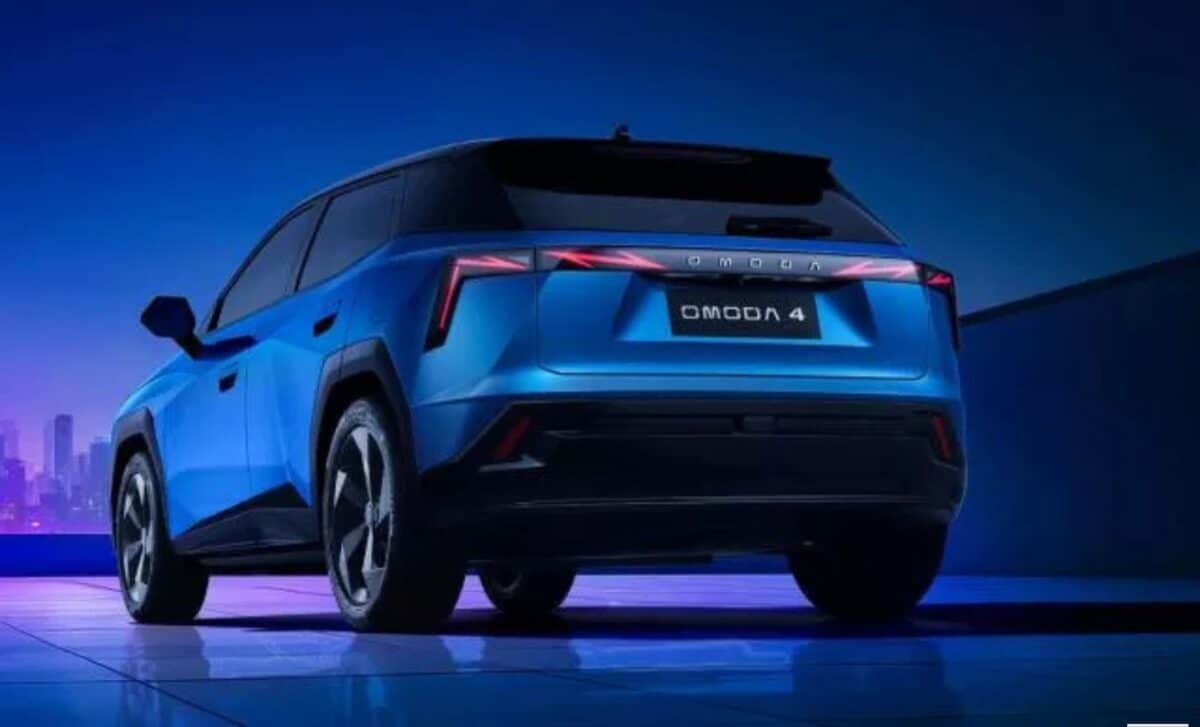
Chery’s lineup remains heavily focused on SUVs, which accounted for 2.3 million of its 2.8 million vehicles sold globally last year. At the same time, the company is developing smaller models to better suit European preferences, where compact cars are more popular than in China.
The broader outlook for China’s auto industry suggests consolidation ahead. Yin indicated that only a few companies may remain strong in the coming years, describing an imminent shakeout in a crowded and highly competitive market.