This shift reflects more than short-term performance. It highlights structural differences in how Chinese manufacturers operate, scale production, and compete domestically. The result is a changing balance in the global automotive industry, with China gaining ground.
The latest financial results from companies such as Leapmotor, Nio, and Xpeng illustrate this transformation. These firms have reversed significant losses within a year, signaling a broader maturation of China’s EV sector.
Chinese EV Makers Move Into Profitability
Several Chinese automakers have recently reported their first profits after years of losses. Leapmotor, backed by Stellantis, posted a full-year profit of $78 million in 2025, compared with a $410 million loss the previous year. Nio recorded $104 million in adjusted net profit in the fourth quarter, a sharp contrast to a roughly $900 million loss during the same period in 2024.
Xpeng followed a similar trajectory, reporting a net profit of about $55 million in the fourth quarter after losing around $190 million a year earlier. These companies now join BYD, Xiaomi, and Li Auto among Chinese manufacturers that are no longer operating in the red.
According to Tu Le, founder of Sino Auto Insights, cited by InsideEVs, these companies are refining their operations by analyzing market data and adjusting their strategies more effectively than competitors.
Structural Advantages and Vertical Integration
Government support has played a role in the rise of China’s EV industry. According to a study cited by Bloomberg, BYD received at least $3.7 billion in direct subsidies. The Center for Strategic and International Studies estimates that China invested about $230 billion in the sector between 2009 and 2023.
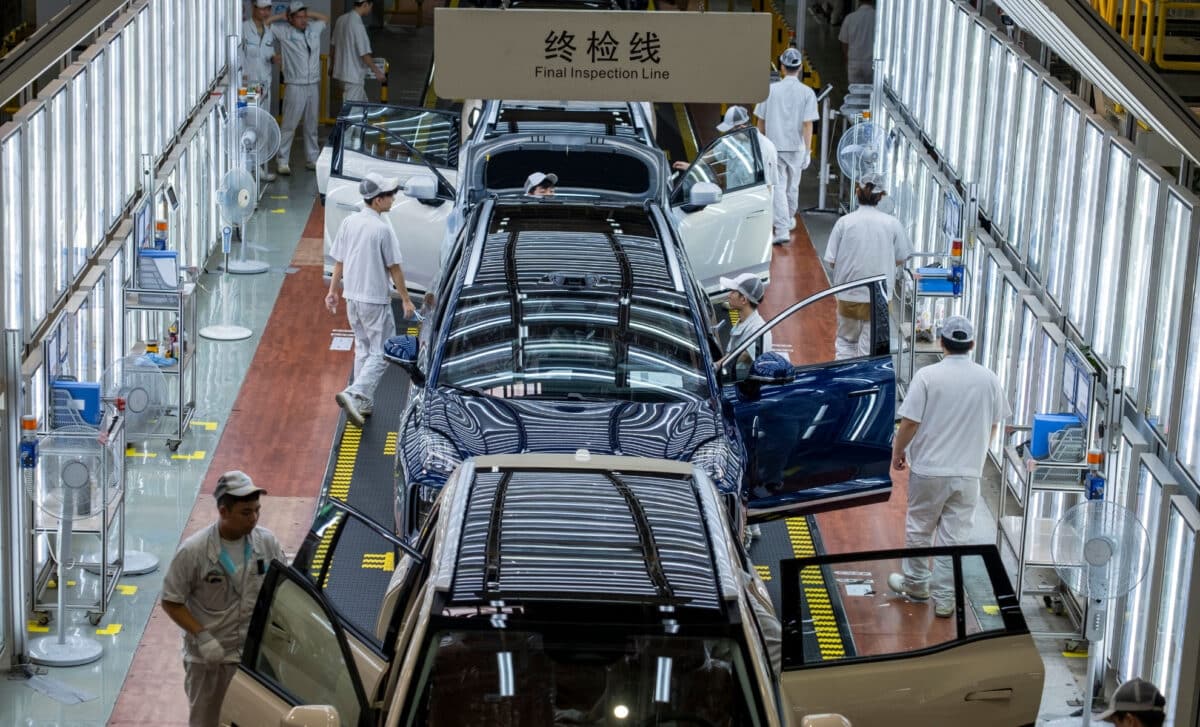
Yet subsidies alone do not explain the shift to profitability. Chinese automakers rely heavily on vertical integration. BYD produces roughly 75% of its components internally, including batteries, motors, and software. This approach reduces costs and improves control over production.
China also dominates the global battery supply chain, which remains the most expensive component in electric vehicles. As Tu Le explained to InsideEVs, controlling more of the engineering process allows companies to maintain tight cost management, while constant investment remains necessary to stay competitive.
Expansion Strategies and Rising Competition
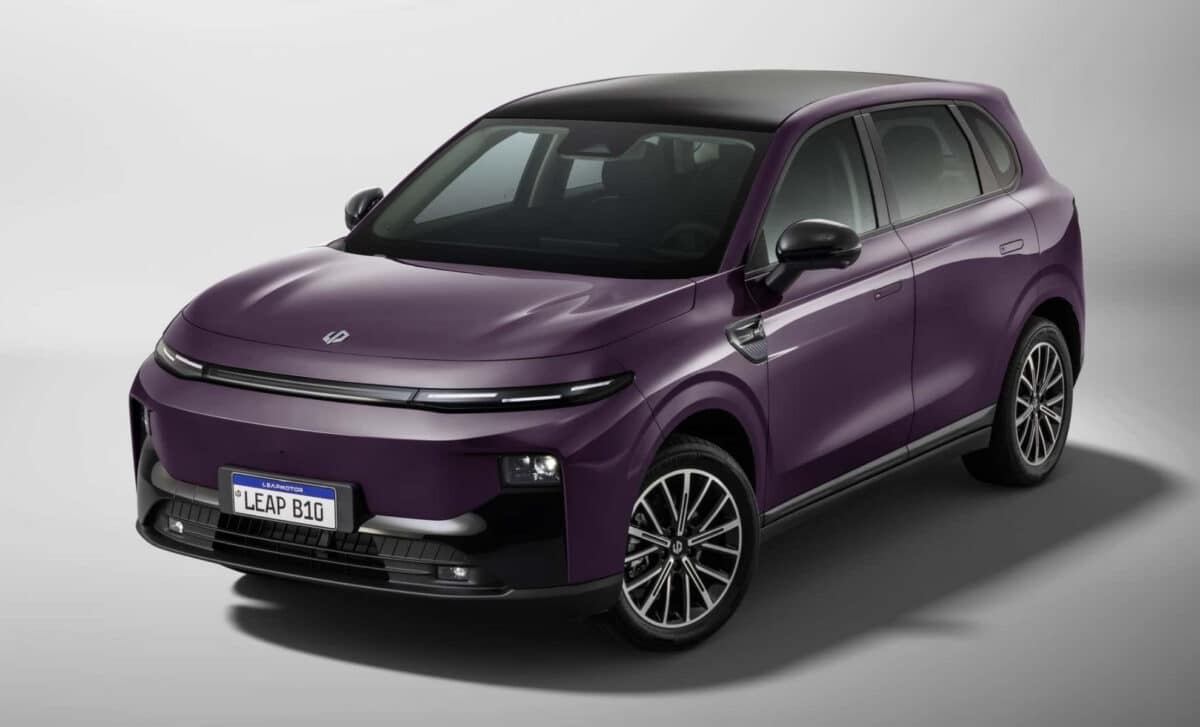
Chinese EV companies are also expanding rapidly beyond their domestic market. Leapmotor, for instance, has leveraged its partnership with Stellantis to enter Europe using an existing dealer network rather than building its own infrastructure. The company delivered 596,555 vehicles worldwide in 2025, a 103% increase year over year, and now operates in 40 countries.
Nio has adopted a multi-brand strategy, covering premium and mass-market segments with its Nio, Onvo, and Firefly brands. It also offers battery-swapping services, allowing customers to buy cars without batteries and reduce upfront costs. The company operates more than 3,750 battery swap stations and recorded 177,627 swaps in a single day in February.
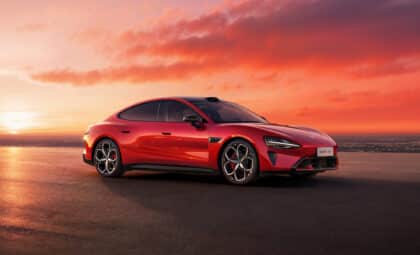
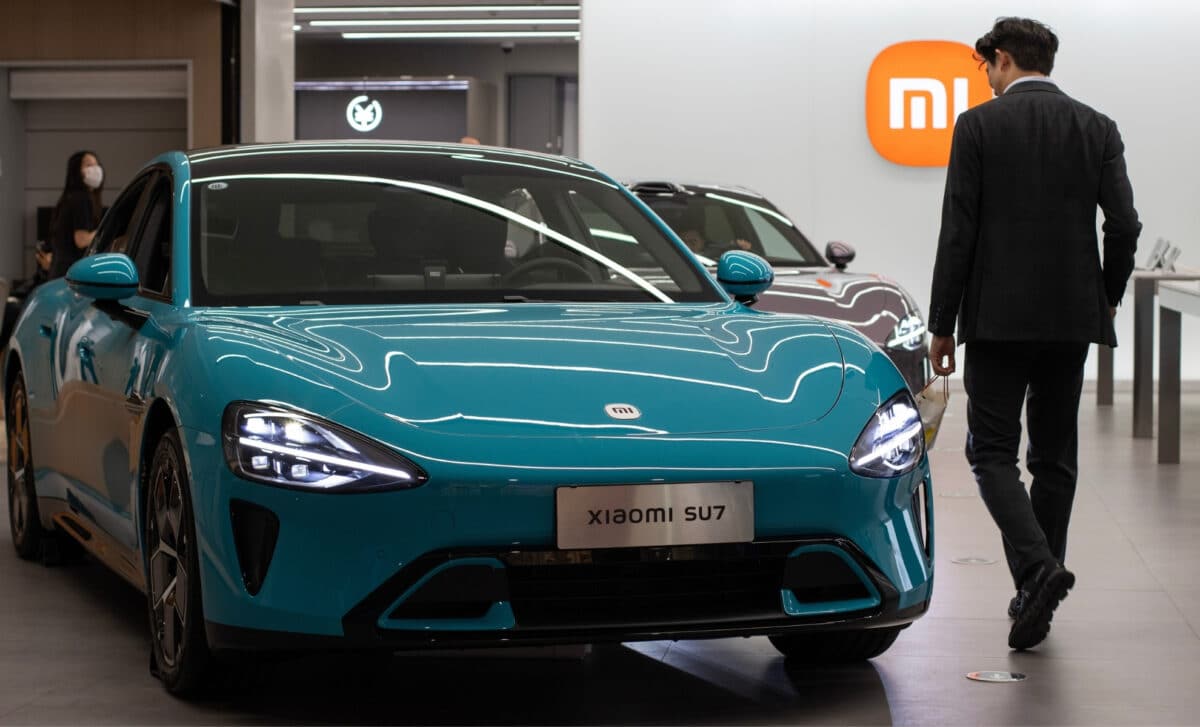
Xiaomi represents another notable entrant. The consumer electronics company launched its SU7 sedan in April 2024 and sold more than 380,000 units in under two years. Its EV division achieved its first quarterly profit within 19 months, supported by integration with its broader ecosystem of connected devices.
At the same time, competition within China remains intense. BYD reported a 41% drop in sales in February, its steepest decline since the pandemic, partly due to domestic price wars and seasonal factors linked to the Lunar New Year. According to Tu Le, such dynamics have allowed smaller competitors to scale more quickly.
Meanwhile, Western automakers continue to face financial pressure. Tesla remains the only consistently profitable pure-play EV manufacturer in the United States, though its profits have declined recently. Legacy automakers such as General Motors, Ford, and Stellantis have recorded multi-billion-dollar charges tied to their EV transitions, while European manufacturers continue investing despite similar headwinds.