
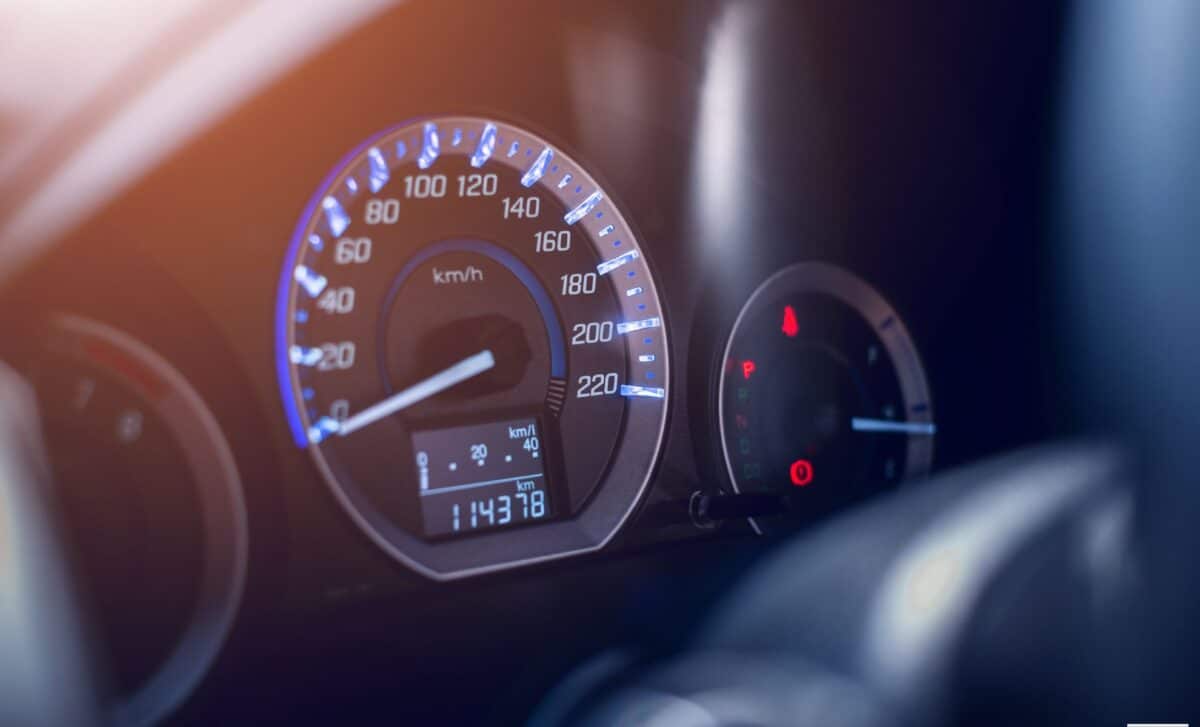
A dashboard warning light can mean different things depending on the vehicle. Some lights indicate routine maintenance, such as an oil change or air-filter replacement, while a true check engine light points to a fault recorded by the vehicle’s onboard computer.
The difference matters because ignoring the wrong warning can become expensive. A steady yellow or orange check engine light may not require an immediate stop, but a flashing light usually means the driver should pull over because continuing to drive could cause severe damage.
What The Warning Light Is Actually Telling You
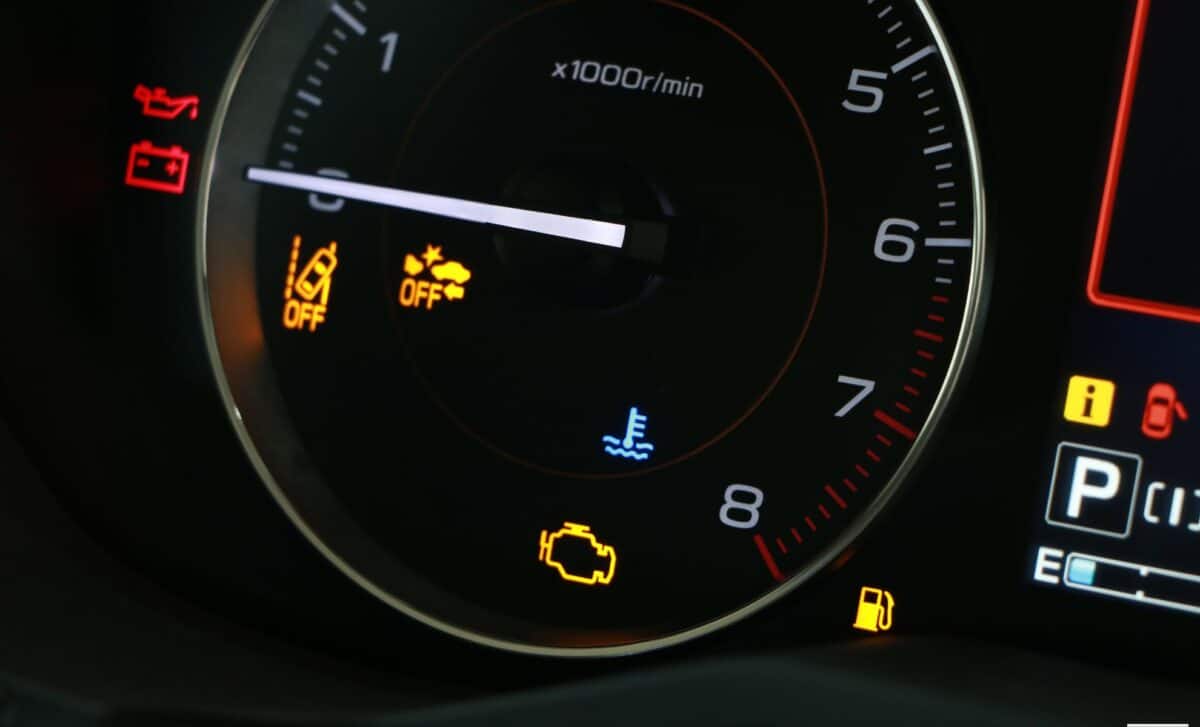
According to Car and Driver, drivers should first confirm whether the dashboard light is a maintenance reminder or a check engine warning. Owner’s manuals can help identify the symbol or label if there is any confusion.
A steady orange or yellow check engine light does not always mean the vehicle must be stopped immediately, especially if it is driving normally. A loose gas cap can sometimes trigger the warning.
A flashing check engine light is different. It almost always indicates a serious problem, and the vehicle should be pulled over and stopped.
How An OBD-II Scanner Reads The Problem
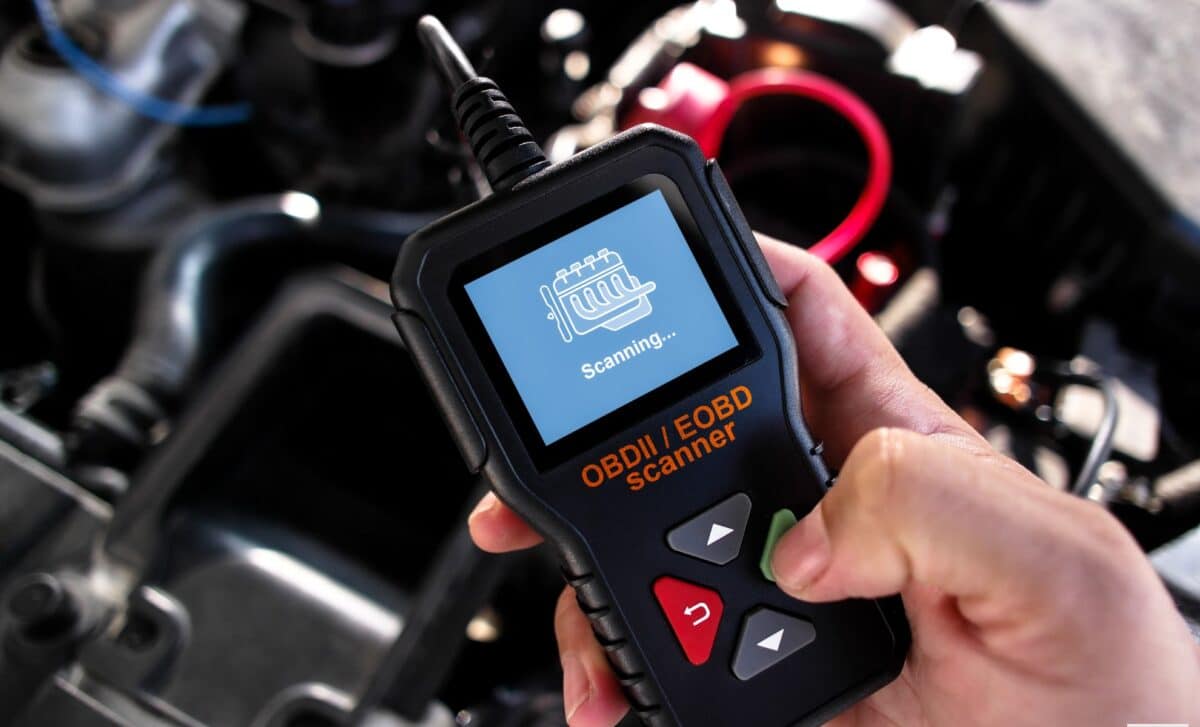
Every car and truck from the 1996 model year onward has an OBD-II port. A scanner plugged into this port can retrieve standardized problem codes stored by the vehicle’s onboard computer.
Consumer OBD-II scanners can cost between $20 and $100 online, while professional-grade tools can cost hundreds of dollars. Many auto parts stores will also scan the vehicle for free.
Some scanners translate codes into readable diagnostic descriptions. Others show only the code, which the driver must look up separately. The codes should be written down before clearing them, especially if the vehicle may later go to a dealer or independent repair shop.
Why Clearing The Light Can Be Risky
An OBD-II scanner can clear the internal code that triggered the check engine light, which turns the warning off. That does not automatically fix the underlying issue.
Some warnings are temporary, including a loose fuel-filler cap or a rare engine misfire. In those cases, the light may not return after the code is cleared.
If the light comes back soon, the vehicle has an issue that needs attention. Repair costs depend on the severity of the problem, and ignoring it can cost more later. Electric vehicles do not have engines, but they still require service for tires, wiper blades, cabin filters, brakes, washer fluid, suspension components, and bulbs.