
Donut Lab’s latest development has quickly gained attention due to the revolutionary charging time, potentially marking a major step forward for the electric vehicle industry.
However, the excitement is tempered by skepticism, as the test conducted by the VTT Technical Research Centre focused solely on charge speed and did not address the energy density or longevity of the battery, two key factors in its broader application. While the fast charging capabilities are promising, experts are questioning whether the rest of the claims made by Donut Lab can hold up under scrutiny.
A Charging Speed Like No Other
The VTT Technical Research Centre confirmed that Donut Lab’s battery could absorb a massive current of 286 amperes, equivalent to 11C, allowing it to go from 0 to 80% in just 4.5 minutes. This rapid charging speed is comparable to the time it takes to drink an espresso during a brief stop at a highway rest area.
However, the test revealed a potential issue with the battery’s thermal management. Without advanced cooling systems, the battery’s surface temperature rose rapidly, approaching the 90°C cutoff limit. As a result, the test had to be stopped early. Maintaining such a high rate of charging in real-world applications, especially in vehicles, will require precise thermal engineering to avoid overheating.
Promises of Energy Density and Longevity Left Unverified
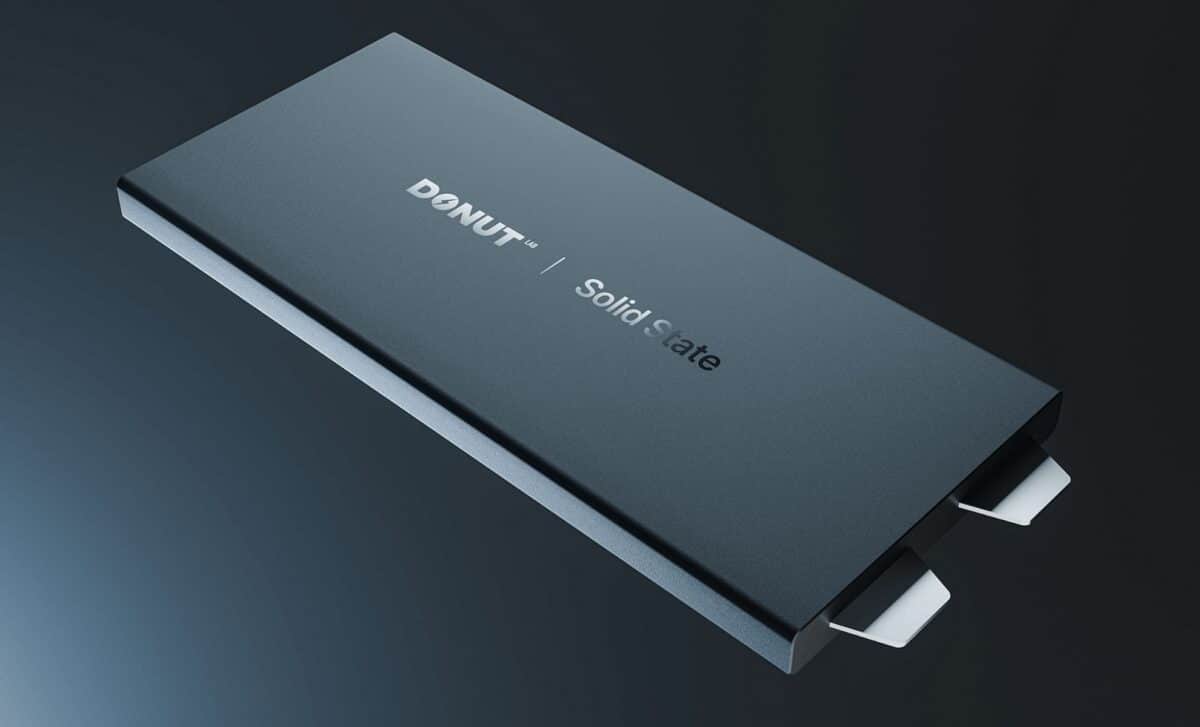
While Donut Lab’s claims about the battery’s charging speed have been substantiated, the company has also made bold assertions about other aspects of the battery, which have not been independently verified. The start-up boasts an energy density of 400 Wh/kg, which would surpass the performance of current battery technologies. However, the VTT test did not assess this claim, leaving the actual energy density in question.
Furthermore, Donut Lab has promised that the battery can endure up to 100,000 charge cycles, an extraordinary claim considering most of today’s solid-state batteries degrade significantly after just a few hundred cycles. No data has been provided to support these long-term durability claims, raising concerns about the battery’s true lifespan.
Challenges with Extreme Temperatures and Practical Application
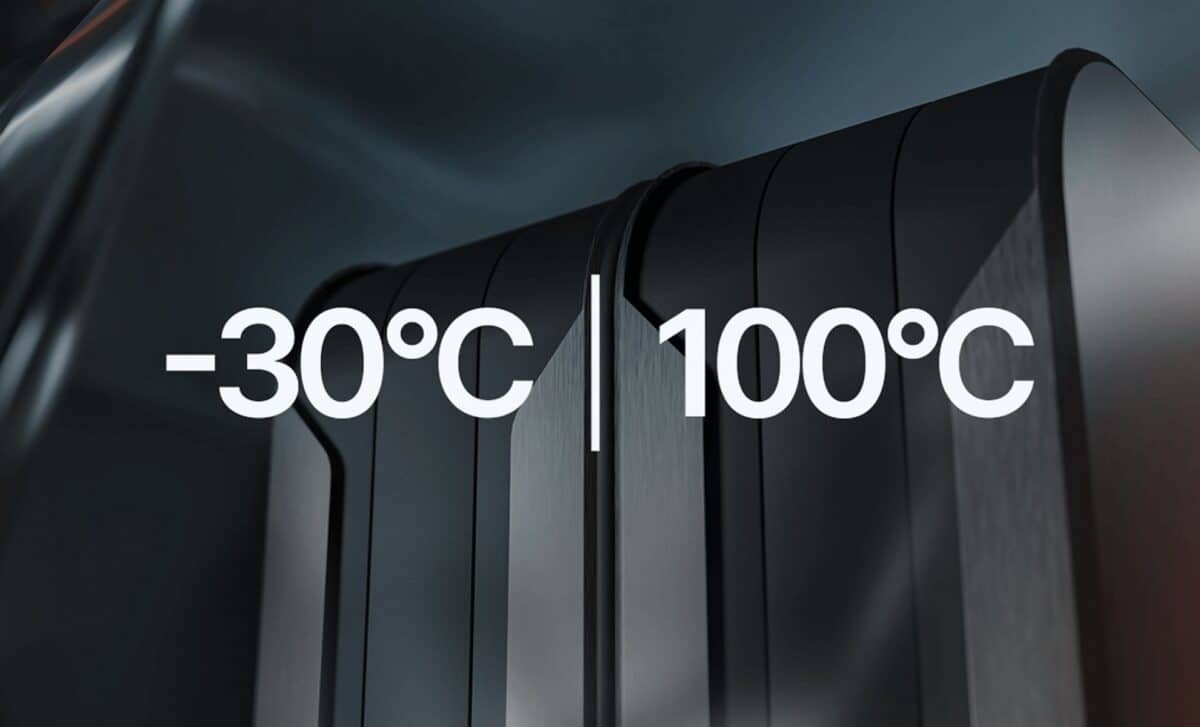
One of the key challenges with Donut Lab’s battery is its behavior in extreme temperatures. While the company claims that the battery performs well at higher temperatures, suggesting that heat actually improves its ability to absorb current, there are concerns about how it will fare in colder climates or in vehicles subjected to extreme temperature fluctuations.
Donut Lab’s CEO, Marko Lehtimäki, argued that higher temperatures reduce internal resistance, which could improve charging efficiency. However, the lack of detailed data on how the battery handles very low temperatures, such as those experienced in subzero conditions, raises questions about its practical use in real-world environments.