
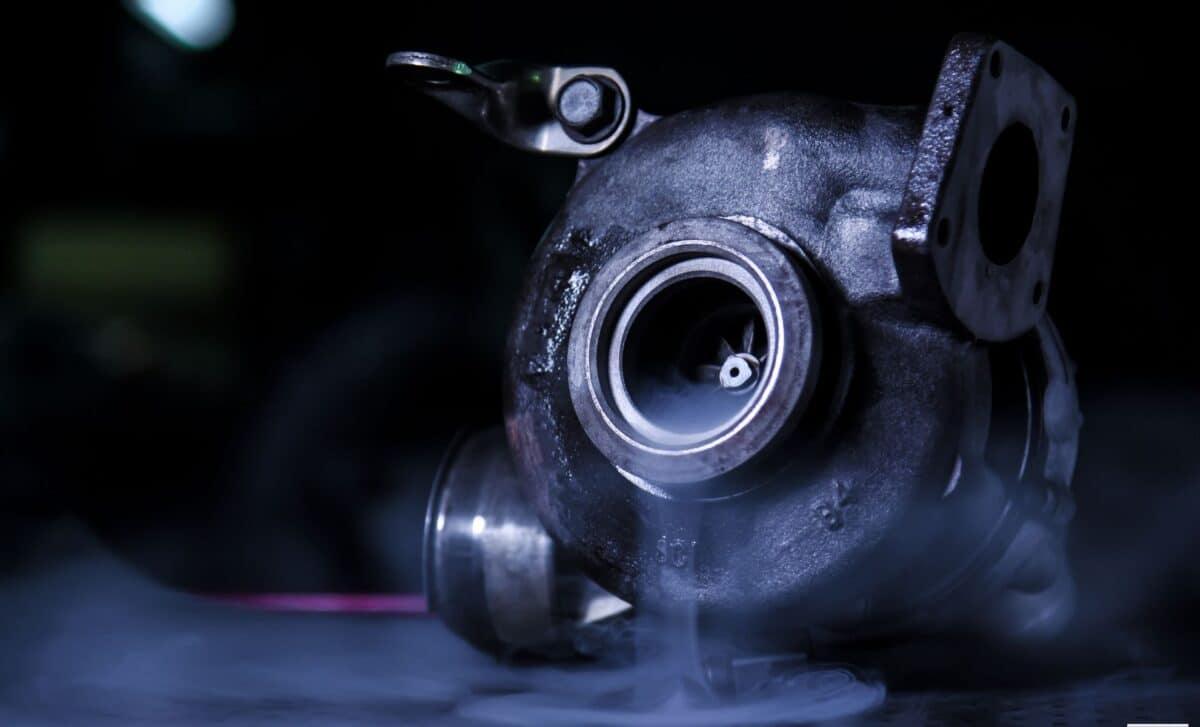
Oil contamination, oil starvation, and debris ingestion remain the leading causes of turbocharger failure, gradually damaging internal components, reducing performance, and leading to costly repairs that many drivers could avoid through routine care and proper maintenance. Turbochargers operate under extreme conditions, with components spinning at speeds close to 200,000 rpm, leaving little room for poor lubrication or contaminated oil containing carbon particles, fuel, coolant, or metal shavings that can accelerate wear on seals, bearings, and shafts.
The problem becomes even more severe when oil supply is interrupted, as the lack of a constant flow of clean oil rapidly increases friction and operating temperatures inside the turbocharger. Over time, this imbalance can trigger warning signs of failure and, in some cases, catastrophic damage within moments.
Oil Quality And Maintenance Remain The Biggest Factors
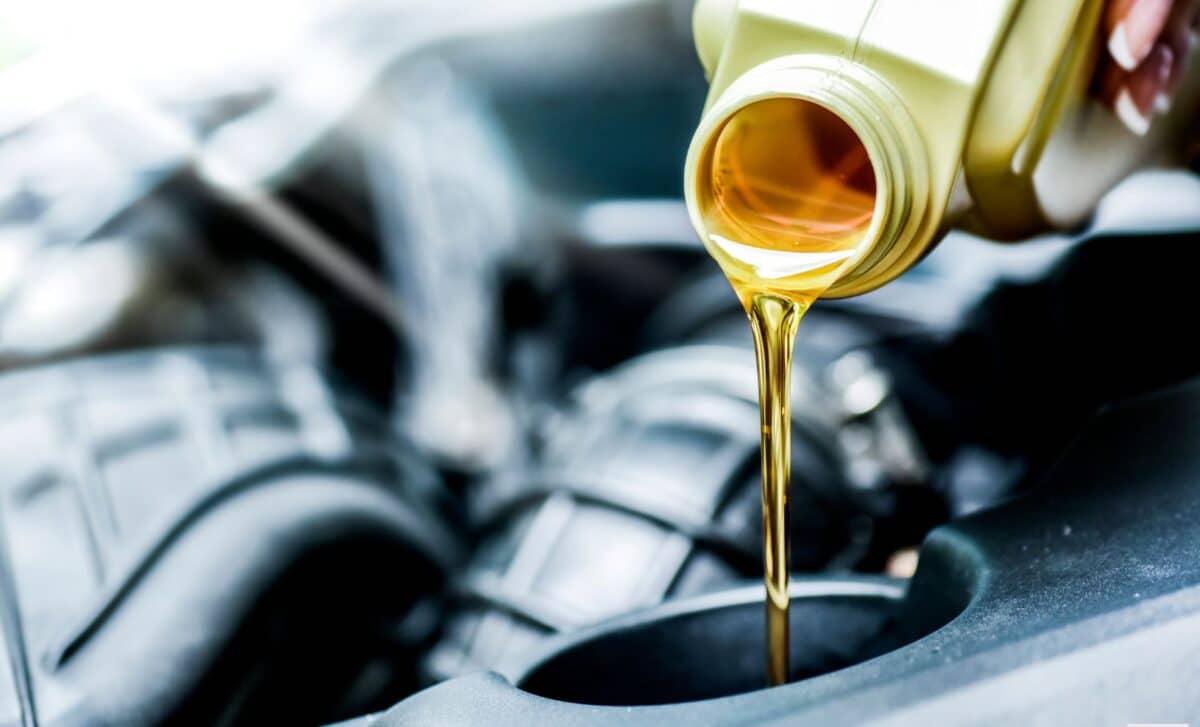
Keeping engine oil clean and using the correct grade are among the most effective ways to extend turbocharger life. According to Jalopnik, drivers do not necessarily need the most expensive oil or a switch to synthetic products, but they do need to follow manufacturer service intervals and ensure the oil is free from contamination.
A simple oil change paired with a quality filter is described as far less expensive than replacing a damaged turbocharger. Neglected maintenance in other areas can create additional strain. Boost leaks may force the turbo to work harder than intended, while dirty air filters can allow dust and fine debris into sensitive internal components.
Routine inspections therefore play a direct role in turbo longevity. Checking for leaks, replacing filters on schedule, and maintaining the engine properly all contribute to keeping the turbocharger operating under normal conditions.
Contaminated Oil Can Quickly Damage Internal Components
Contaminated oil gradually degrades a turbocharger from the inside. Foreign particles increase friction and operating temperatures while simultaneously wearing away critical moving parts. Bearings, seals, and shafts are particularly vulnerable once lubrication quality begins to deteriorate.
This process can also disrupt the turbocharger’s balance. As wear increases, drivers may begin noticing common symptoms associated with failing turbo systems. Contaminants such as carbon buildup, coolant, fuel, and metal shavings are the major threats because they circulate directly through the lubrication system feeding the turbo.
Debris ingestion represents another serious risk. Fine particles entering through dirty filters or compromised intake systems can reach the turbocharger’s internals and accelerate mechanical wear. The damage may develop slowly at first, which can make the underlying cause difficult to spot until performance issues emerge.

Driving Habits Also Affect Turbocharger Lifespan
Maintenance alone may not prevent repeated turbo failures if driving habits place unnecessary stress on the system. Revving an engine immediately after a cold start can spin the turbocharger before oil has fully circulated through the system.
Cold oil is thicker and less effective at lubricating fast-moving components. For that reason, the recommendation is to allow the engine to warm properly before demanding high performance from the turbocharger.
Waiting briefly before shutting the engine off after a drive, particularly following long journeys, is very important. Turning the engine off immediately cuts the oil supply while the turbo may still be extremely hot. Residual oil trapped inside can then cook and form carbon deposits, which accelerate internal wear over time.
As a general guideline, allowing the engine to idle for around 30 seconds before shutdown is highly recommended. Combined with regular maintenance and moderate driving habits, these small steps are presented as the simplest ways to help a turbocharger achieve a long service life.