
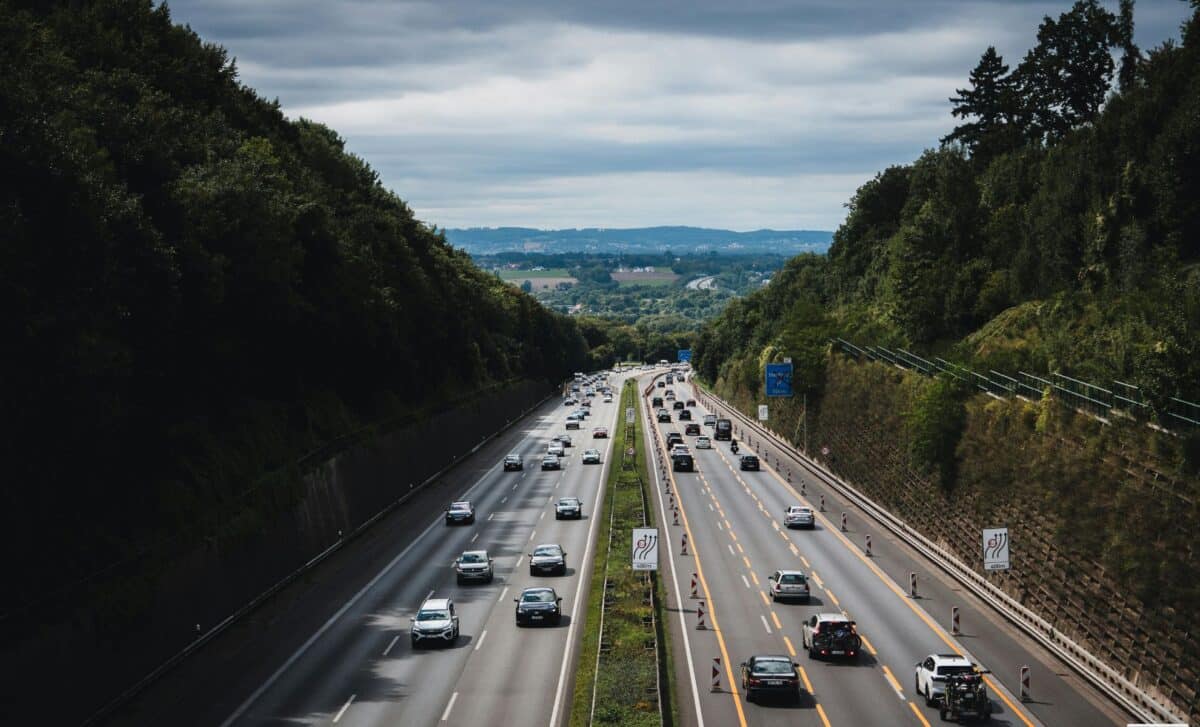
The issue is especially noticeable where medians are painted on the road rather than separated by a curb or physical barrier. In those places, drivers may treat the markings as flexible, even when the rules say otherwise.
This behavior has become a daily occurrence in the Chicago area, where drivers have been seen using double yellow medians for quick U-turns, early left turns, and shortcuts around backed-up intersections.
Impatient Drivers Are Turning Road Markings Into Shortcuts
Traffic congestion, long signal cycles, and crowded intersections appear to be pushing some drivers toward illegal shortcuts. When a driver sees a chance to avoid a wait, crossing a double yellow line can feel like a small risk in the moment.
According to Autoblog, the problem is more common on flush medians, where the painted area is level with the road. Without a raised curb or barrier, the line is easier to ignore.
Drivers are cutting early into left-turn lanes, crossing traffic, or bypassing a queue to save a few seconds. Enforcement appears limited, which allows the behavior to continue.
Repeated Violations Can Make Illegal Driving Feel Normal
One reason the pattern spreads is normalization. When drivers repeatedly see others cross double yellow medians without being stopped, the behavior can start to look accepted.
At some intersections, one driver cuts into a left-turn lane early and others follow. That creates an informal traffic flow, even though it conflicts with the rules.
The risk is unpredictability. Other drivers may not expect a vehicle to appear suddenly from the opposite direction, from a stopped position, or from outside the legal lane path. That reduces reaction time and raises the chance of a collision.
The Legal And Safety Consequences Can Be Serious
Double yellow lines generally mean no crossing, no passing, and no exceptions unless a legal break or turn lane is provided. Crossing may be allowed in some jurisdictions for specific maneuvers, such as turning into a driveway or side street, but only when it can be done safely.
Using the median for a U-turn, to shortcut a left-turn lane, or to cut across multiple lanes is often illegal. A “double double yellow,” meaning two sets of solid yellow lines, creates a painted median or barrier and should not be crossed except in an emergency situation.
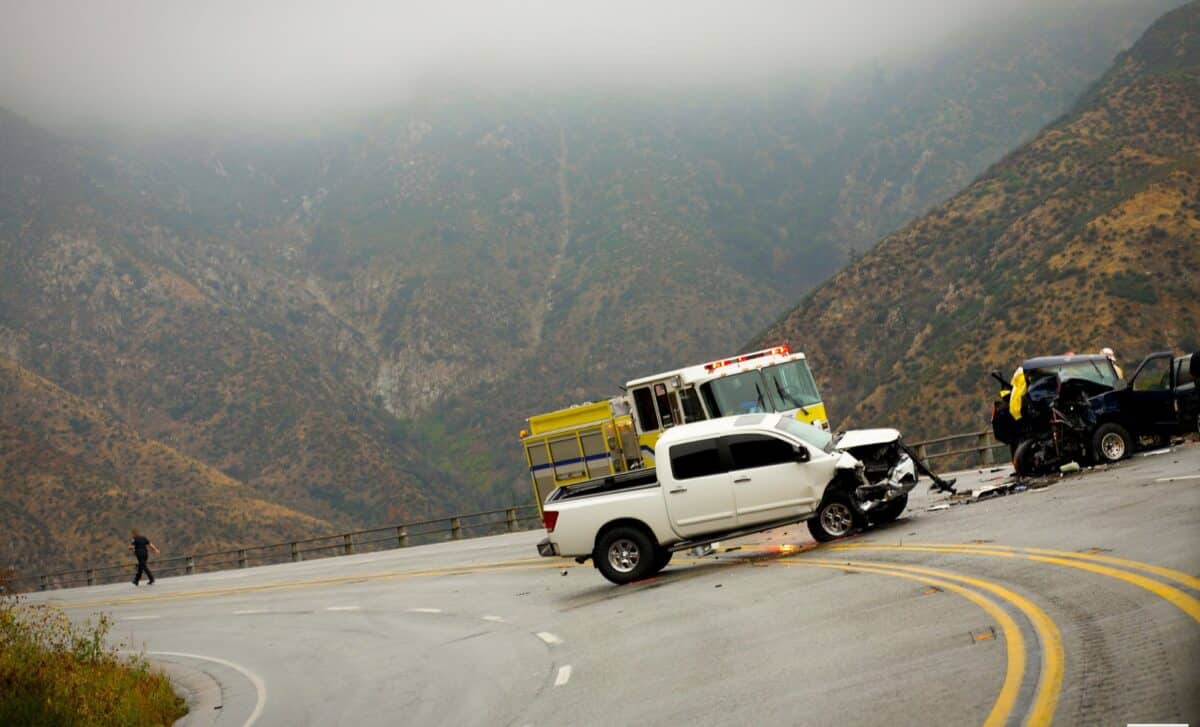
Improper crossing can lead to fines, points on a license, and higher insurance premiums. In a crash, the driver who crossed improperly is often found at fault. The most serious risk is injury or death, especially when vehicles are moving at speed and one driver enters a left-turn lane legally while another cuts across the median illegally.
Traffic engineers use these markings to reduce conflict between vehicles. They are a low-cost safety tool, but they depend on drivers following the rule. When that compliance breaks down, roads become less predictable and less safe for everyone.