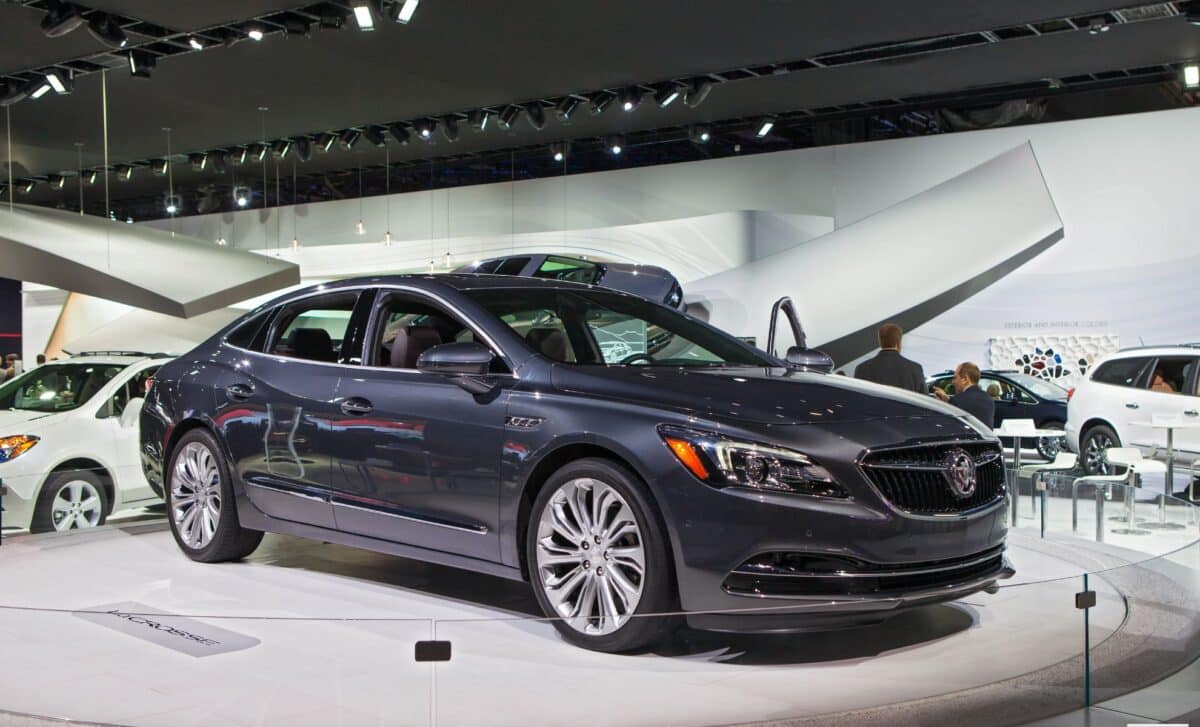

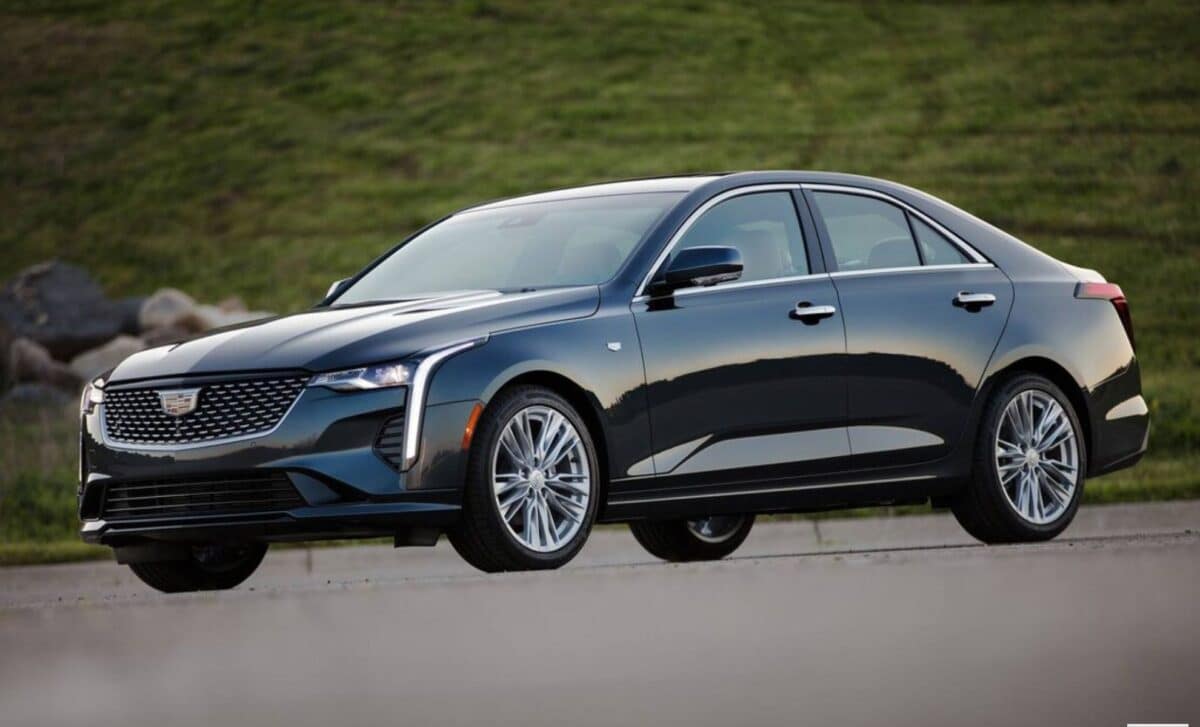
For years, the U.S. market has seen a steady retreat from sedans. Ford has entirely exited the segment domestically, while General Motors has limited its offerings to Cadillac models. Stellantis, for its part, maintains only the Dodge Charger, leaving the once-dominant category with minimal representation.
Yet, this withdrawal has not been universal. Both GM and Ford continue to produce and sell sedans in international markets, particularly in China and select regions, where demand remains stable. This contrast highlights a strategic gap in the American market, where crossovers have taken over but may not fully satisfy all consumers.
Automakers Reconsider A Segment They Once Abandoned
Recent signals suggest a shift in strategy among major manufacturers. According to Autoblog, Ford and Stellantis are now exploring the possibility of reintroducing or expanding sedan offerings in response to rising new-car prices. General Motors also appears to be reassessing its position, hinting at a broader industry reconsideration.
This renewed attention comes after years of prioritizing SUVs and crossovers, which have dominated sales charts in the United States. Still, the absence of sedans has arguably left space for competitors, especially foreign brands, to capture market share that American companies once held.
The potential return is not just symbolic. It reflects changing economic conditions and a recognition that a segment once considered obsolete may still hold untapped demand.
Chrysler And Ford Outline Early Directions
Chrysler, currently reliant on the Pacifica minivan, is actively seeking to expand its lineup. The brand has hinted at a new sedan concept described as “unlike anything seen before.” There are indications it could blend characteristics of multiple segments, possibly combining sedan design with crossover-like features.
The idea of a Charger-based Chrysler 300 revival has also been mentioned, suggesting a possiblereturn to more traditional sedan formats, though details remain limited. The challenge for Chrysler is clear: diversify beyond a single model while reestablishing relevance.
Ford, meanwhile, has confirmed that sedans are “back on the table,” as stated by CEO Jim Farley. The company has not specified which models might return, though midsize or larger sedans appear more likely than compact options. Ford already produces the Taurus and Mondeo for international markets, both derived from what the Fusion might have evolved into had it not been discontinued in 2020.
Another possibility under consideration involves using the rear-wheel-drive Explorer platform to develop a larger sedan, though no official confirmation has been provided.
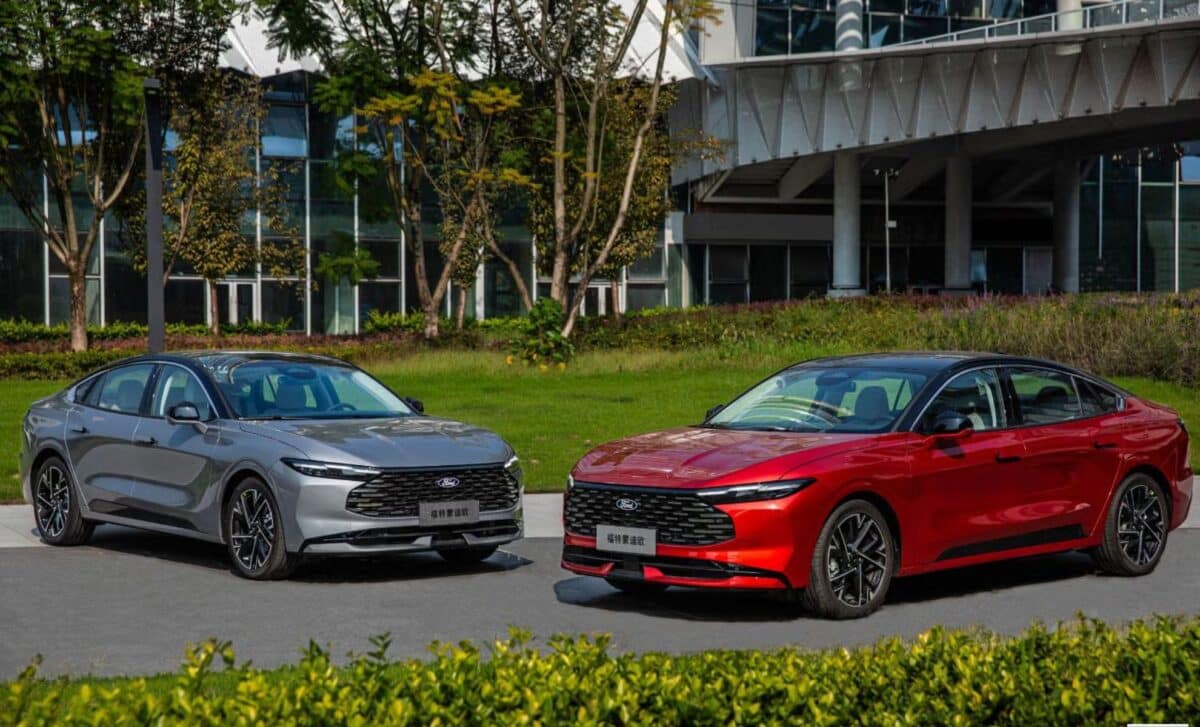
General Motors Explores Options For Buick
General Motors has not made a formal announcement, but signs point to potential movement within its portfolio. Buick may receive a new sedan after years without one, possibly based on the Cadillac CT5 and its Alpha 2 platform.
An alternative approach could involve leveraging existing models from China. The Buick LaCrosse, discontinued in the United States in 2019, continues to perform well in the Chinese market. Bringing this model back could represent a cost-effective solution for reentering the segment quickly.
The broader question remains unresolved: whether these planned or rumored sedans will resonate with American buyers. Interest in the segment may be returning, but actual purchasing behavior will ultimately determine whether the sedan’s comeback is sustained or short-lived.