
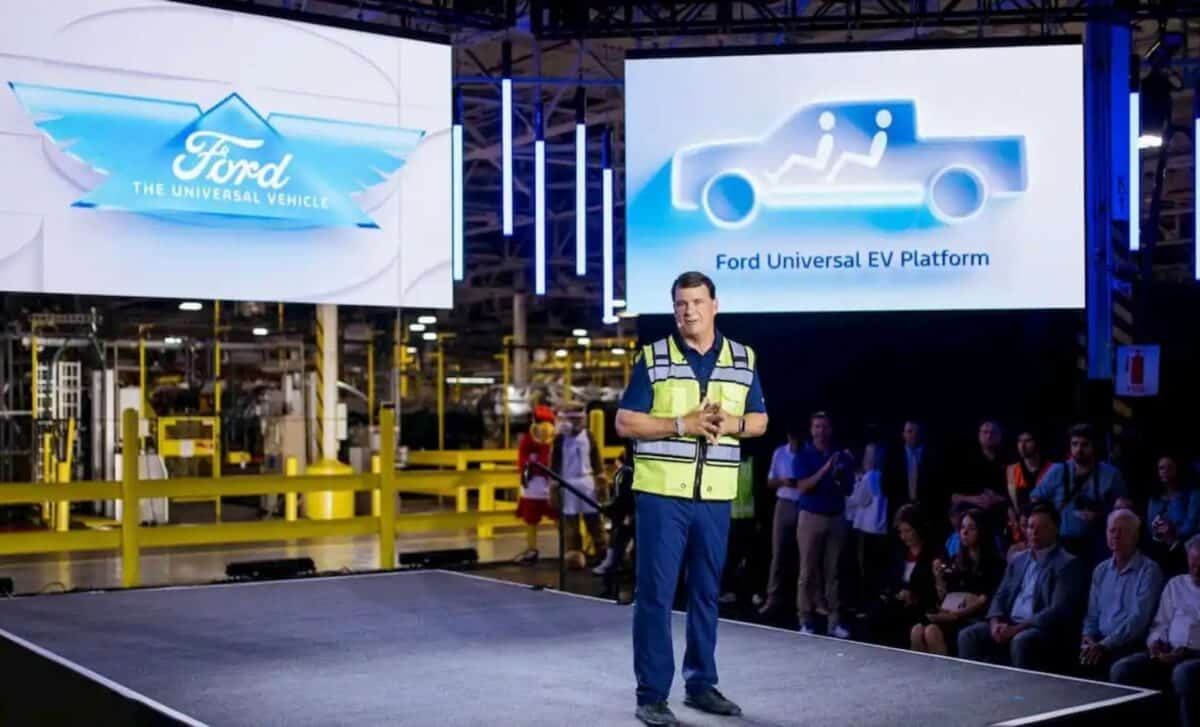
The statement was made during an episode of Spike’s Car Radio podcast, where Farley confirmed Ford’s intent to enter a highly competitive segment dominated by Tesla. This move reflects a broader recalibration of Ford’s electrification roadmap.
In recent months, the company has scaled back several EV initiatives following significant losses tied to policy changes under the Trump administration. At the same time, Ford is maintaining a mixed approach that includes hybrids and extended-range electric vehicles.
Ford Confirms Affordable EV Plans Targeting Tesla
Ford’s CEO made it clear that the automaker is actively developing a lower-cost electric vehicle designed to compete with Tesla’s best-selling models. “We’ll have an all-electric, affordable vehicle to compete with Model Y and Model 3,” Farley said during the podcast.
While specific details remain limited, the announcement signals a strategic shift toward affordability in the EV market. Alongside this effort, Farley emphasized that Ford is continuing work on an all-hybrid lineup and a selection of extended-range EVs (EREVs), particularly suited for towing applications.
The company’s repositioning comes at a time when several automakers are reconsidering aggressive EV expansion plans after sustaining heavy financial losses.
A Broader Reset of Ford’s Electric Vehicle Strategy
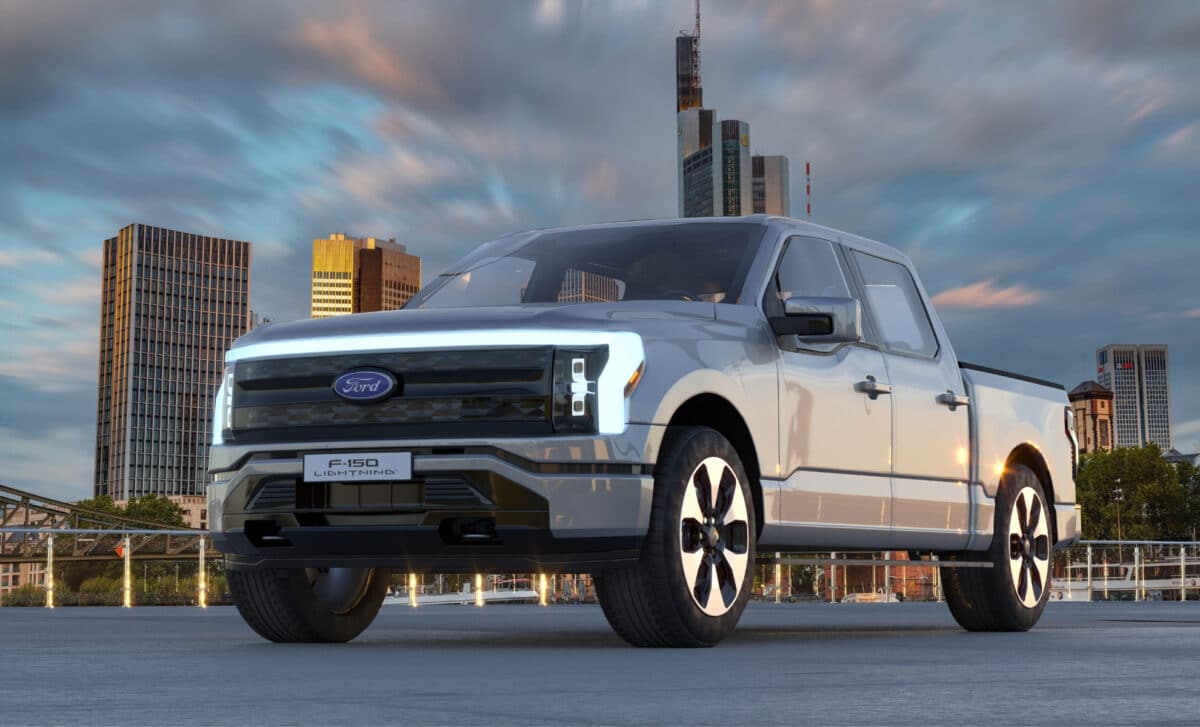
Ford’s renewed focus follows a series of program cancellations and adjustments. According to InsideEVs, the company discontinued the F-150 Lightning, once described as America’s best-selling electric pickup, after demand failed to meet expectations.
Additional cuts included a planned next-generation full-size electric pickup and a second-generation electric Transit van. These decisions illustrate a broader effort to streamline investments and prioritize more viable projects.
In place of fully electric solutions, Ford is exploring alternatives such as integrating a gasoline engine into the Lightning concept to function as a generator. This approach aligns with the company’s push toward extended-range technologies while its internal “skunkworks” team develops cost-effective EV platforms.
New Platform and Battery Strategy Underpin Future Models
Central to Ford’s future EV lineup is the so-called Universal Electric Vehicle platform. The first model built on this architecture is expected to be a mid-size electric pickup priced at around $30,000, with a debut scheduled for next year.
Although Farley did not explicitly confirm it, the same platform is widely expected to support the upcoming Tesla rivals. The architecture is designed to accommodate multiple vehicle types, or “top hats,” offering flexibility across different segments.
Battery technology will also play a key role. Ford has opted for lithium-iron-phosphate (LFP) cells for its upcoming pickup, a chemistry known for lower costs and improved durability compared to nickel-rich alternatives. These batteries can be charged to full capacity more frequently without significant degradation, though they offer lower energy density.
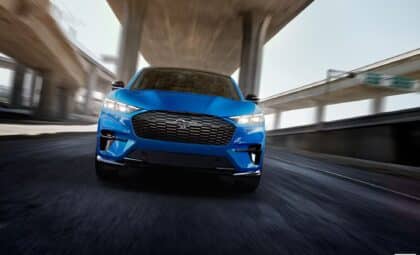
Farley previously declined to elaborate on whether existing models like the Mustang Mach-E would adopt this platform, telling InsideEVs he had “lots of thoughts” but was not ready to share details.