
In a move expected to cost the company nearly $20 billion, Ford announced it will deprioritize the production of larger EVs, citing weak demand and high costs. The company now plans to focus on smaller, more affordable electric vehicles and a wider array of hybrid models.
This strategic pivot comes as the U.S. auto industry grapples with changes in both consumer preferences and the regulatory landscape. While Ford had initially ramped up production of larger electric models to meet growing demand, the reality has been different. With sales of these models failing to meet expectations, Ford is now adapting its approach to focus on vehicles that blend electric and internal combustion engine technology. This move will allow the company to better respond to shifting market conditions.
Ford’s Hybrid Shift
The automaker’s decision to scale back on fully electric large vehicles is part of a broader strategy to increase the production of hybrid cars. According to reports, the shift is largely driven by a 30% increase in hybrid sales, signaling a growing customer preference for this more flexible and cost-effective technology.
Ford now expects that by 2030, about 50% of its global vehicle sales will be hybrids, extended-range electric vehicles, or fully electric models—up from 17% today. The company is betting that hybrid vehicles will fill a gap in the market between traditional gas-powered cars and fully electric options, which may not yet meet every customer’s needs.
Struggles in the EV Market
Ford’s decision to adjust its EV strategy comes after a decline in demand for its more expensive electric models. According to CEO Jim Farley, the company had initially expected stronger demand for larger electric vehicles but was met with disappointing results.
Instead, the company has found that more affordable EVs have done better in the marketplace, though the overall EV market in the U.S. has also cooled off. Farley pointed out that the U.S. electric vehicle market shrank from 12% of the overall industry to just 5%, making the shift in strategy all the more urgent. In response, Ford plans to continue focusing on making electric models more accessible while scaling back on premium, high-cost vehicles.
Impact of Regulatory Changes
Ford’s decision to reduce its focus on larger EVs is also influenced by changes in government incentives. Earlier this year, the U.S. rolled back some of the tax incentives that had previously supported the EV market, such as the $7,500 credit for purchasing an electric vehicle.
These policy shifts have added an additional layer of complexity to automakers’ plans for expanding their EV offerings. Ford, like many others, is now reevaluating its approach in light of these regulatory changes, which have made the production of larger electric vehicles less viable from a business perspective.
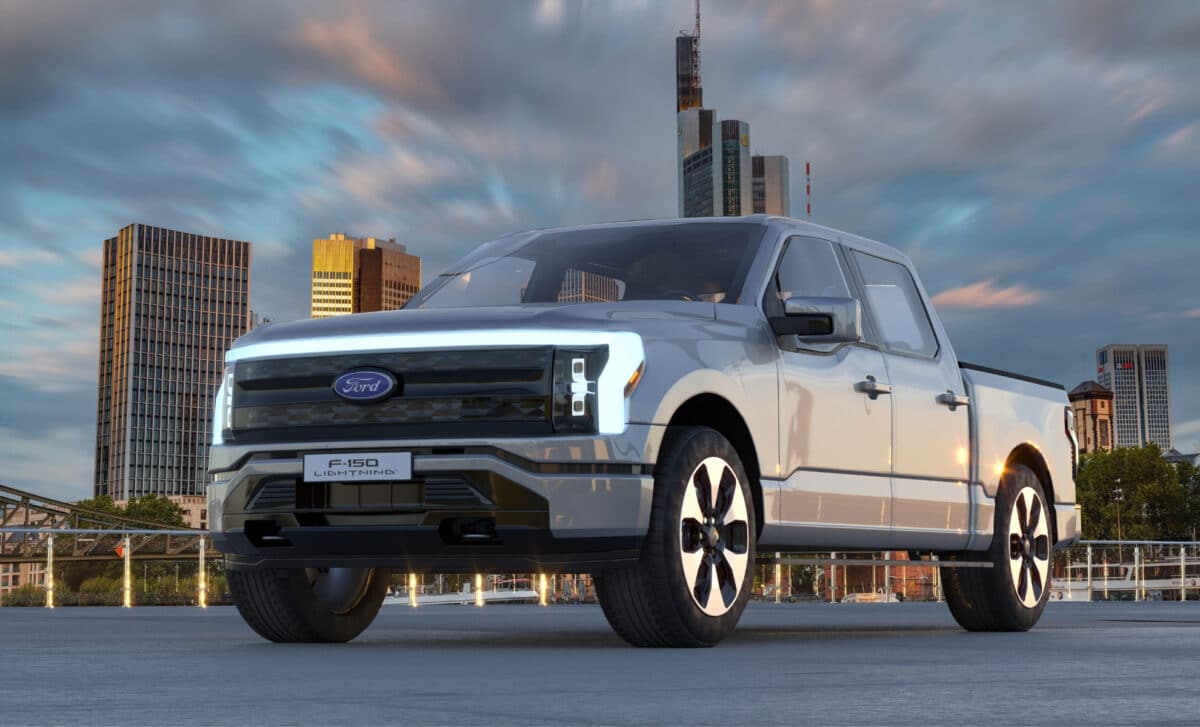
Despite these challenges, Ford remains committed to EV development. The company has announced plans to roll out a high-volume family of smaller, affordable electric vehicles by 2027, beginning with a midsize pickup truck.