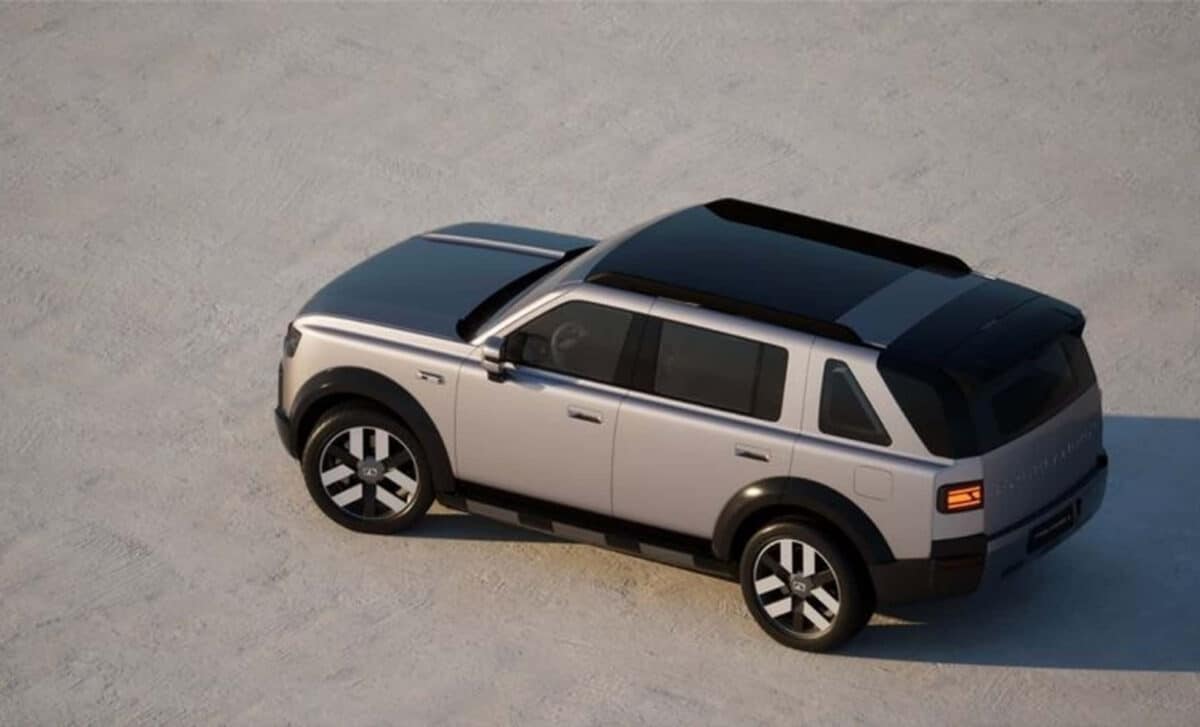
The Freelander 8 follows closely behind the Concept 97 revealed in China just weeks earlier, signaling a rapid transition from concept to production. This model is the first in a planned lineup of six SUVs to be launched over the next five years under the newly established Freelander marque.
This revival carries weight. The original Freelander, produced between 1997 and 2006, had a mixed reputation, particularly regarding reliability. Even so, Jaguar Land Rover and Chery have chosen to reuse the name rather than introduce a new one, a decision that stands out in a market where new brands appear frequently.
A New Identity Built on Electrification
The Freelander 8 is designed as a flexible platform capable of supporting multiple electrified powertrains, including plug-in hybrids, fully electric vehicles, and range-extending EVs. According to Motor1, this aligns with the brand’s positioning as a New Energy Vehicle specialist.
The SUV measures approximately 5.1 meters in length, placing it between the Defender 110 and Defender 130 in terms of size. It features three-row seating and is equipped with CATL batteries that support 350-kW charging. Additional technical elements include air suspension and a rear electronic limited-slip differential, though full specifications have not yet been disclosed.
The model is manufactured in Changshu and will be distributed through a dedicated retail network rather than traditional Jaguar Land Rover dealerships. The vehicle is not limited to China, as plans include expansion into other markets, including right-hand-drive regions.
Design Cues Blend Heritage with Modern EV Trends
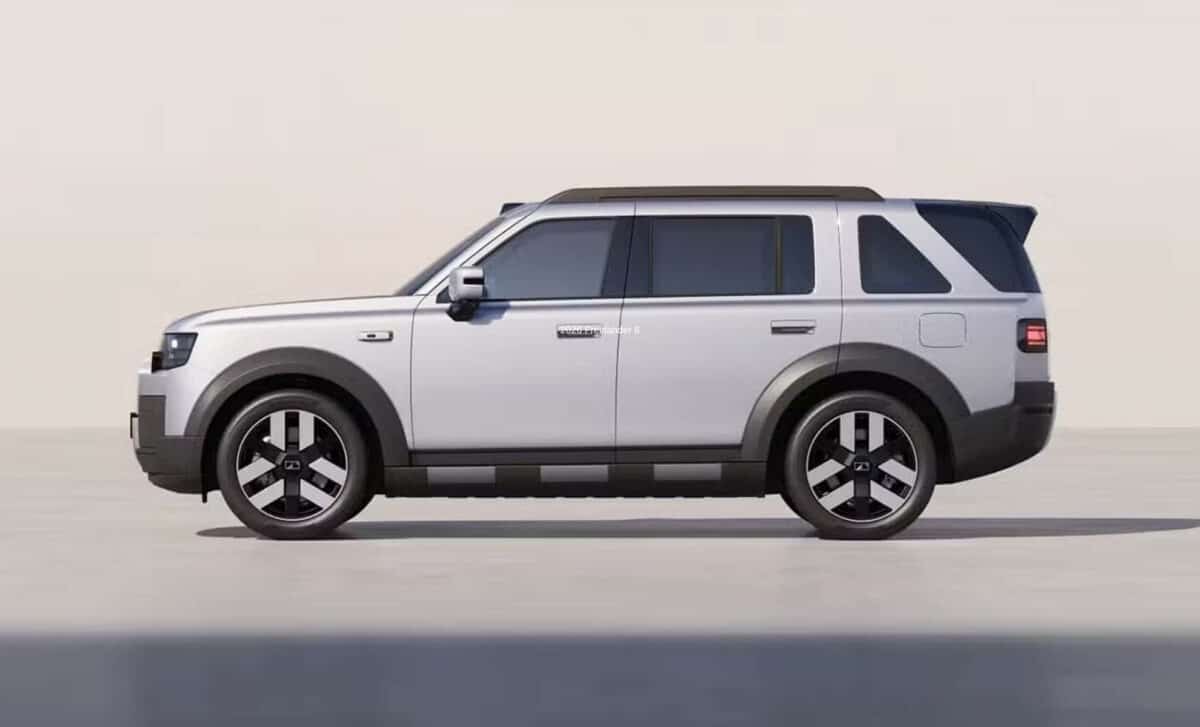
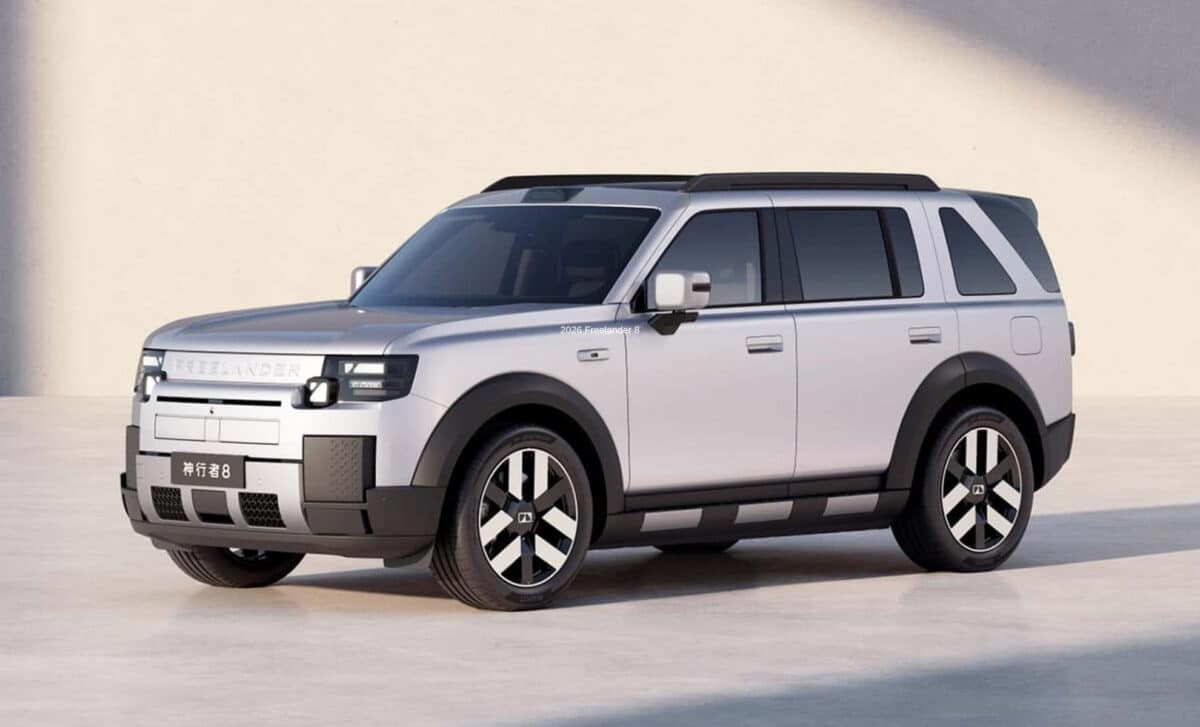
Visually, the Freelander 8 incorporates several references to earlier models while adopting contemporary electric vehicle design elements. The rear pillar design recalls the first-generation three-door Freelander, particularly through its triangular rear quarter glass. Square headlights also echo the original model’s styling.
At the front, the SUV features a closed-off grille with debossed Freelander lettering, a common trait among electric vehicles. A roof-mounted LiDAR unit is also present, reflecting the growing integration of advanced driver assistance systems in vehicles developed for the Chinese market.
The production model remains close to the Concept 97 but introduces notable changes. Rear-hinged doors have been replaced with a conventional layout featuring B-pillars. Flush door handles, initially shown on the concept, were removed due to regulatory changes in China, leading to a semi-enclosed design. Similar adjustments have been made by other manufacturers, including BMW, for models debuting at the same auto show.
Positioning in a Competitive and Crowded SUV Market
Despite its distinctive branding, the Freelander 8 enters a highly competitive segment. China’s automotive market is saturated with new brands and electrified SUVs, making differentiation a challenge. The range-extender variant could provide a temporary advantage, though other manufacturers are also investing in similar technologies.
The absence of certain traditional design elements has also been noted. The rear of the vehicle lacks a spare wheel, a feature that would have reinforced its off-road identity and referenced earlier Freelander models. The tailgate carries debossed lettering, but no prominent badge for the new brand is visible.
The Freelander 8 represents a strategic step for Jaguar Land Rover and Chery, combining a legacy name with a new direction centered on electrification. Whether that combination resonates in both domestic and international markets remains to be seen, but the rollout has clearly begun.