
For months, automakers have been competing to reduce charging times to levels comparable with refueling internal combustion vehicles. This technological race has become a central factor in broader electric vehicle adoption, as charging duration remains a key concern for many drivers.
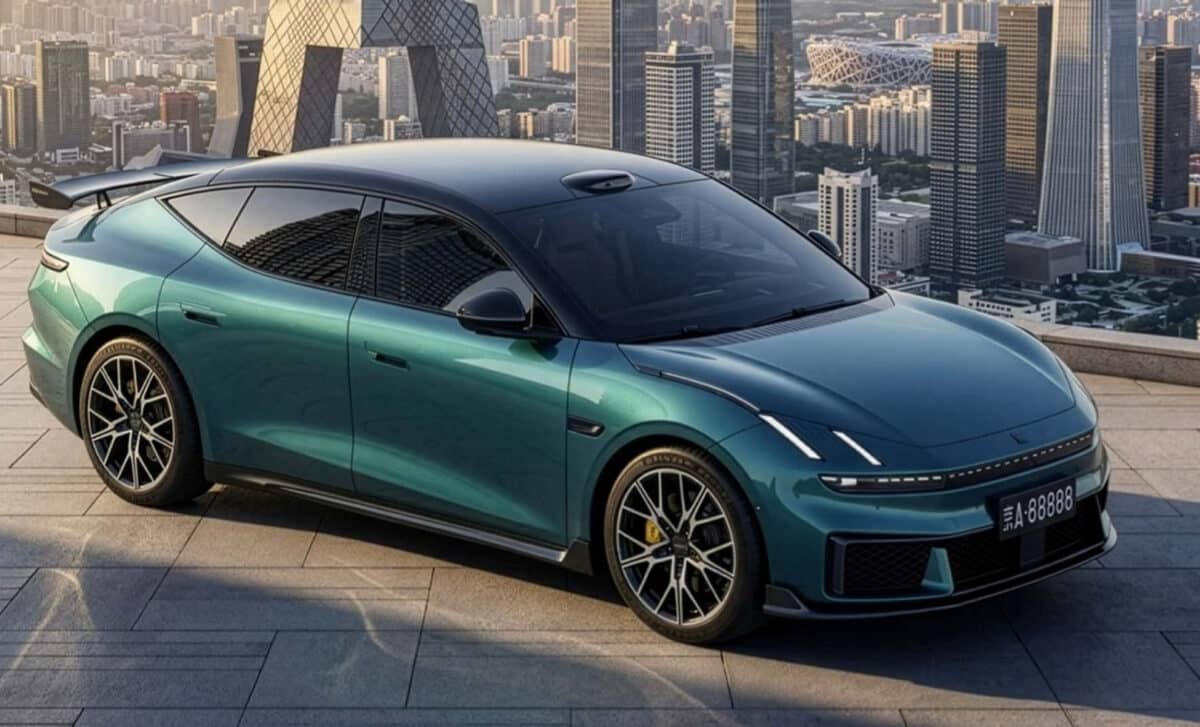
Until recently, one manufacturer appeared to lead this segment with what it presented as unmatched charging performance. That position is now being contested, as Geely introduces a new system through its Lynk & Co brand that aims to redefine benchmarks in the sector.
A New Benchmark Set by Lynk & Co
According to Auto Plus, the Lynk & Co 10 equipped with Geely’s Golden Brick battery can charge from 10% to 70% in 4 minutes and 22 seconds. The same vehicle reaches 80% in 5 minutes and 32 seconds, and 97% in 8 minutes and 42 seconds.
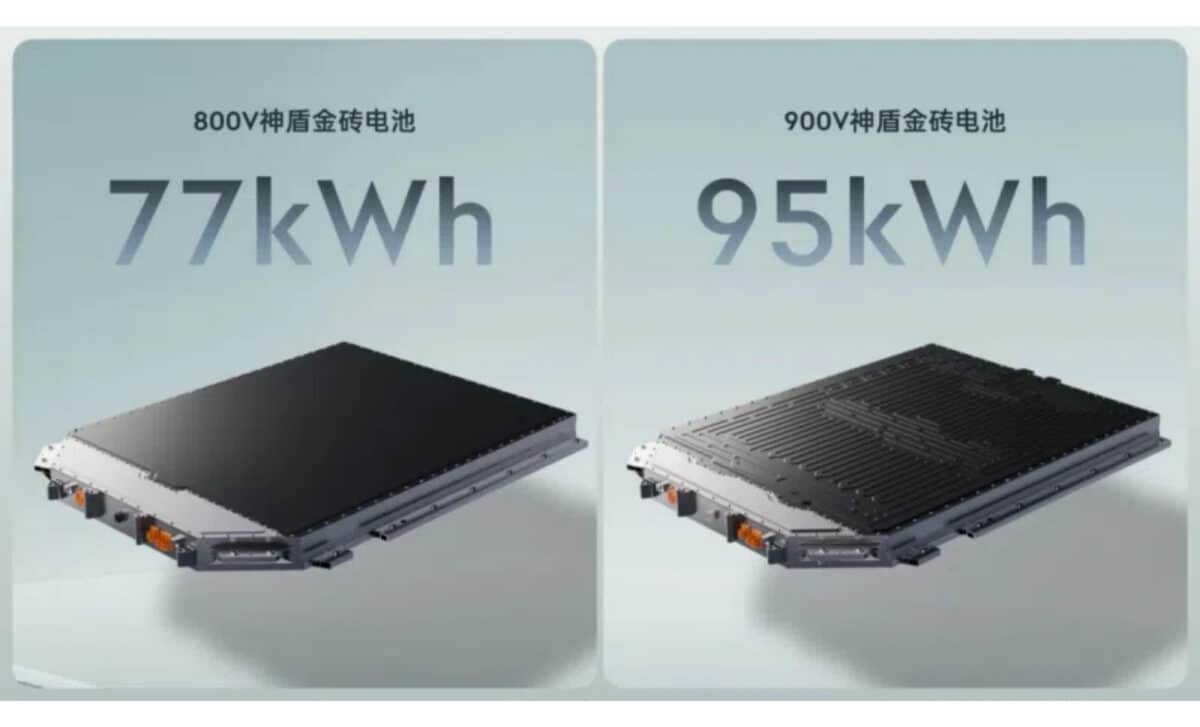
These figures place it ahead of recent results announced by BYD, which required 5 minutes and 9 minutes respectively to reach similar charge levels, as reported by the same source. The system relies on a 900-volt architecture and reaches a peak charging power of 1100 kW.
The vehicle also maintains a charging rate above 500 kW beyond 80% capacity, a point where most electric vehicles typically reduce power significantly to preserve battery integrity.
Charging Infrastructure Becomes the Limiting Factor
The performance demonstrated by Geely depends heavily on dedicated infrastructure. The tests were conducted using Zeekr’s V4 megawatt flash charging stations, developed internally within the Geely group.
These stations deliver up to 1300 kW of peak power through a single connector and use full liquid cooling systems to manage heat generated during high-power charging. This level of energy transfer requires advanced thermal management to ensure system stability.
The shift highlights how charging capabilities are no longer defined solely by battery technology but also by the availability and capacity of compatible charging stations.
Deployment Gaps Remain Despite Technological Progress
Despite the technical achievement, large-scale deployment of these megawatt charging stations remains uncertain. Geely has not provided a clear timeline for broader rollout.
According to CarNewsChina, cited in the report, the company’s network included 2103 stations and more than 10,200 charging points across 215 cities as of late February 2026. This infrastructure features over 6200 highway chargers and more than 1000 ultra-fast 800V stations, but megawatt-level chargers are not yet publicly available.
Meanwhile, BYD continues to expand its own network at a rapid pace. The company recently opened its 5000th megawatt flash charging station and aims to reach 20,000 units by the end of the year, maintaining strong momentum in infrastructure deployment.