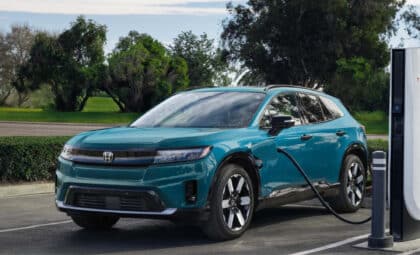
The agreement comes as interest in next-generation battery technologies continues to grow across the automotive industry. Solid-state batteries are widely viewed as a potential alternative to conventional lithium-ion batteries, although significant technical and manufacturing challenges remain before large-scale commercialization can be achieved.
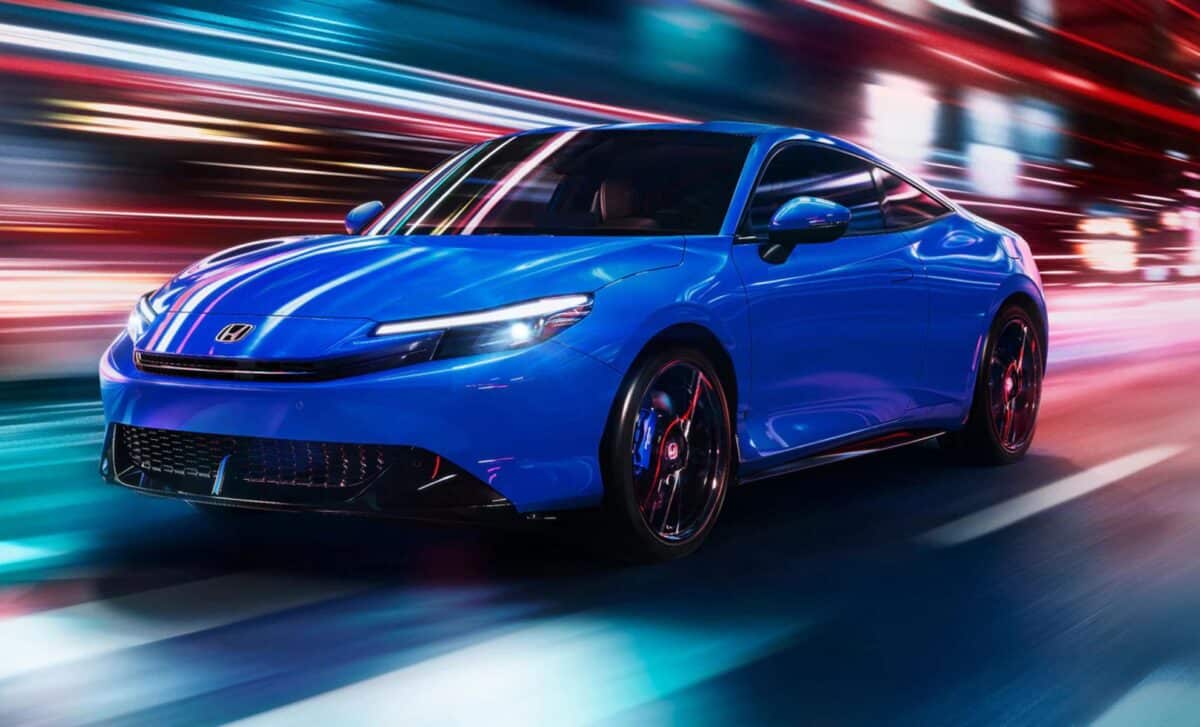
Honda’s decision to deepen its work with QuantumScape also follows a period of strategic adjustment for the automaker. While Honda recently canceled plans for a series of next-generation electric vehicles that were expected to begin arriving in the United States this year, the company is continuing to invest in technologies that could shape its longer-term EV ambitions.
A Multi-Year Research Program Centered on Solid-State Technology
Honda and QuantumScape have entered into what the companies describe as a “joint research agreement” that includes a multi-year plan focused on solid-state battery development and associated manufacturing processes.
QuantumScape stated that Honda had already been evaluating its technology before the partnership became public. The newly announced collaboration is designed to advance both battery development and the methods required to manufacture the cells at scale.
The California-based company has pursued a business model that differs from traditional battery suppliers. Rather than producing batteries for automakers directly, QuantumScape aims to license its intellectual property and manufacturing processes so that vehicle manufacturers can build the cells themselves. The startup is also working with Volkswagen Group, which is one of its investors.
The Long Road Toward Commercial Solid-State EV Batteries
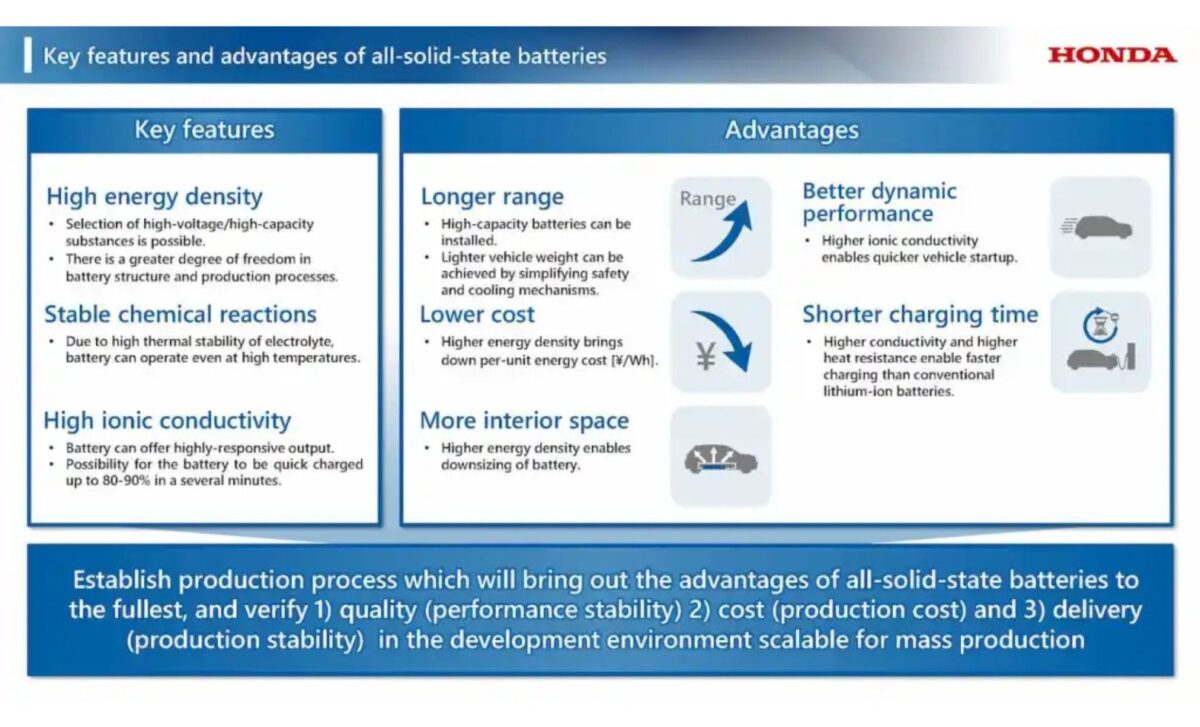
Solid-state batteries replace the liquid electrolyte used in conventional lithium-ion batteries with a solid electrolyte. The technology is often described as the “holy grail” of battery development because it could potentially offer improved safety, faster charging, and higher energy density.
Small solid-state battery cells have been used in medical devices for decades. The greater challenge has been increasing their size and capacity for automotive applications while also developing methods for mass production.
Some progress has been made with semi-solid battery technologies. Gel-based semi-solid batteries are already being used in production vehicles in China and are undergoing testing in the United States. Fully solid-state batteries, though, have not yet reached the market in consumer electric vehicles.
The startup Donut Lab says it has developed a solid-state battery pack that is being shipped in a motorcycle. Those claims remain unverified and have recently been called into question.
Automakers Continue Investing Despite Technical Hurdles
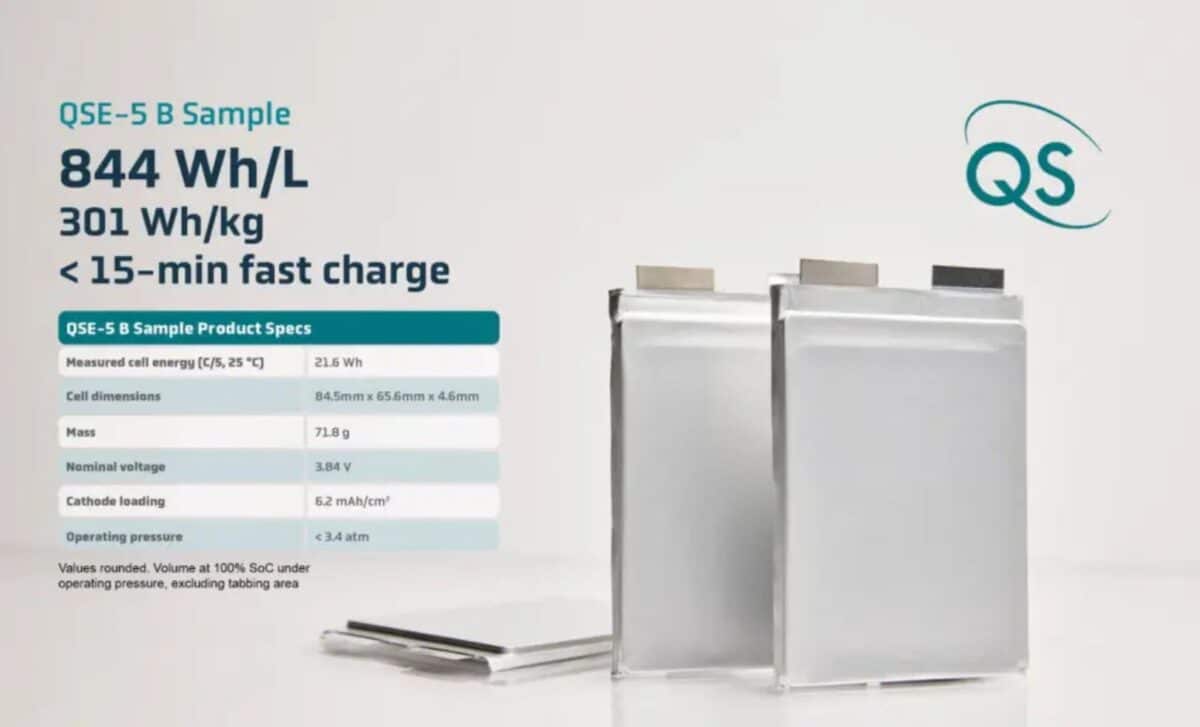
Earlier this year, QuantumScape reached what it described as a milestone by beginning pilot production of its lithium-metal battery cells on a fully automated manufacturing line in San Jose.
Interest in solid-state batteries extends across the automotive sector. Toyota was highlighting investments in the technology as early as 2010, while General Motors is currently testing solid-state cells in its battery laboratory.
Honda has also been pursuing its own research efforts in the field. In 2024, the company stated that its solid-state batteries would be 50% smaller, 35% lighter, and 25% cheaper to manufacture than current battery cells. Honda also said those batteries could deliver a driving range of 620 miles on a full charge.
The automaker made those statements before canceling its upcoming 0 Series platform. Looking further ahead, Honda said that by 2040 its solid-state electric vehicles could be capable of traveling 776 miles between charges.