
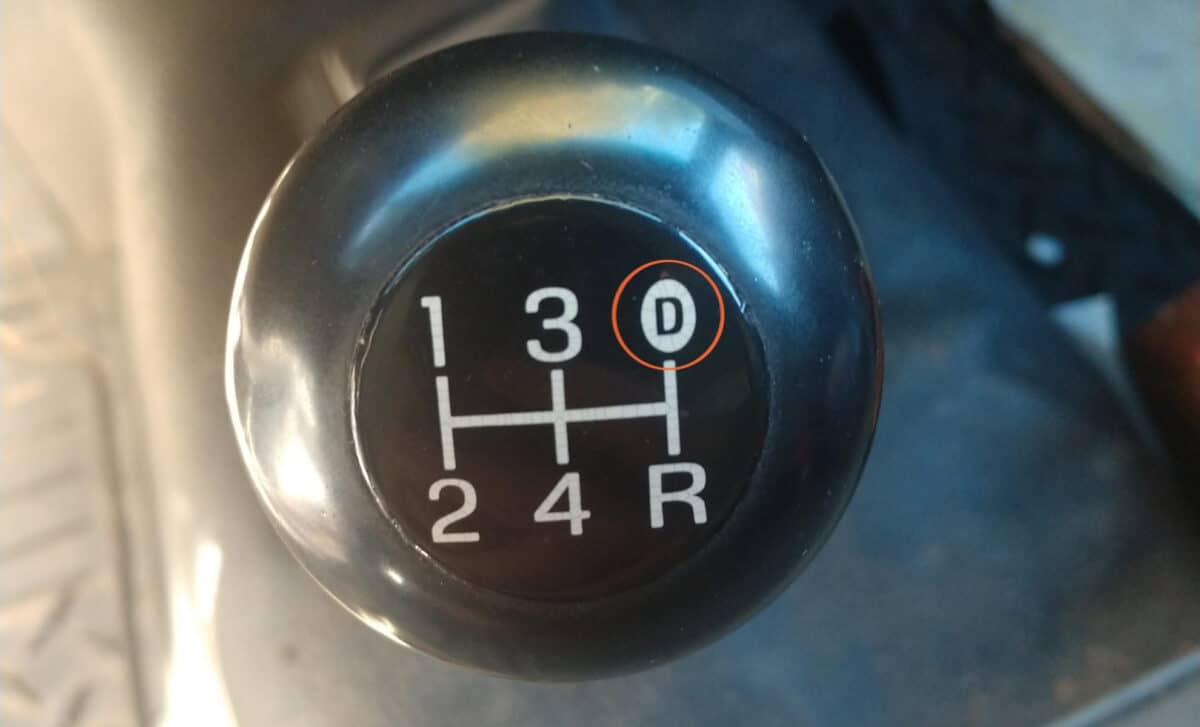
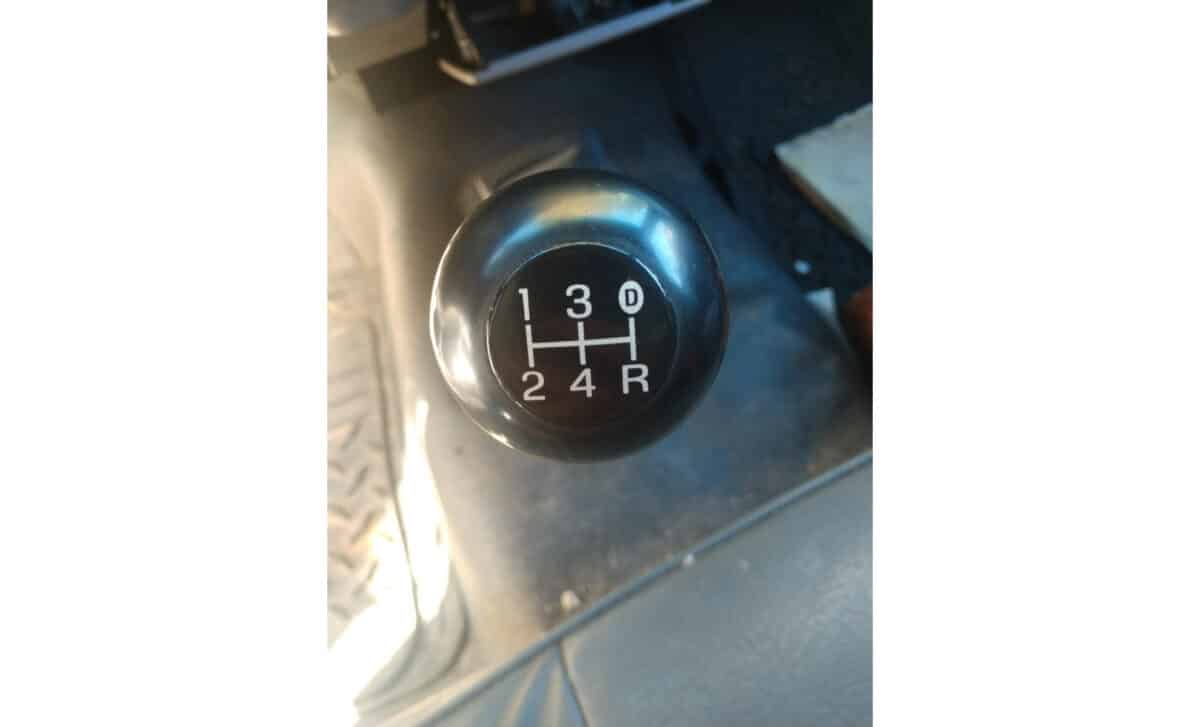
Many motorists assume the letter “D” simply stands for “Drive,” as it does in automatic cars. Yet in some manual vehicles, the same marking refers to a specific gear behavior rather than a driving mode. This distinction, often overlooked, reveals how engine speed and wheel speed interact at higher gears.
The topic matters because it affects fuel use, comfort, and responsiveness. Misinterpreting this marking can lead drivers to use the wrong gear in situations like overtaking or climbing, where performance depends on more than just speed.
A Letter That Does Not Mean “Drive”
The confusion begins with familiarity. In automatic transmissions, “D” indicates the standard forward-driving position. According to Racing, this widely understood meaning leads many drivers to assume the same applies to manual gear levers.
In manual transmissions, the letter can instead refer to overdrive or direct gear, depending on the vehicle. In many cases “D” identifies the direct gear, where the engine crankshaft and gearbox rotate at the same speed, creating a 1:1 ratio. This is not a separate driving mode but a marker within the gear system itself.
That distinction matters because each gear changes how engine power is transmitted. Lower gears prioritize pulling power, while higher gears favor smoother, more stable movement once the vehicle is already in motion.
Direct Gear and Overdrive: Two Related but Distinct Functions
The sources highlight two interpretations tied to the same letter. One is direct gear, defined by the 1:1 ratio between engine and gearbox speed. This gear often corresponds to fourth gear in older four-speed or five-speed manuals, and fifth gear in six-speed setups.
The other interpretation is overdrive. Overdrive describes a gear ratio below 1:1, where the gearbox output shaft rotates faster than the engine. In practical terms, this reduces engine speed while maintaining the same road speed.
In four-speed manuals, overdrive can function as a fifth gear; in five-speed cars, it may act as a sixth. The aim is not added power but reduced engine load during steady driving. This dual interpretation explains why the same letter has caused years of misunderstanding among drivers.
Efficiency Gains Come With Trade-Offs
The practical benefit of overdrive is clear in highway conditions. When overdrive is engaged, engine RPM drops, which lowers fuel consumption and reduces noise and vibration. This makes long-distance driving more comfortable and can limit wear on engine components.
Yet this efficiency comes at a cost. Lower engine speed reduces torque at the wheels, which affects acceleration. During overtaking or rapid speed changes, drivers may need to downshift to regain responsiveness. Relying on the highest gear for acceleration can result in slower reaction, even at high speeds.
The same limitation applies in specific conditions. Racing.nl reports that overdrive is less suitable when towing heavy loads, climbing steep inclines, or descending long slopes where engine braking is needed. In these cases, a lower gear provides better control and performance.
In practice, many drivers use these gears without fully understanding them. A closer look at the gear markings, and the vehicle manual, can clarify their function and improve both efficiency and driving control over time.