
Beginner mechanics often start with simpler projects that help them build confidence while avoiding the complexity of advanced mechanical work. These repairs can also reduce maintenance costs and extend the lifespan of key vehicle components.
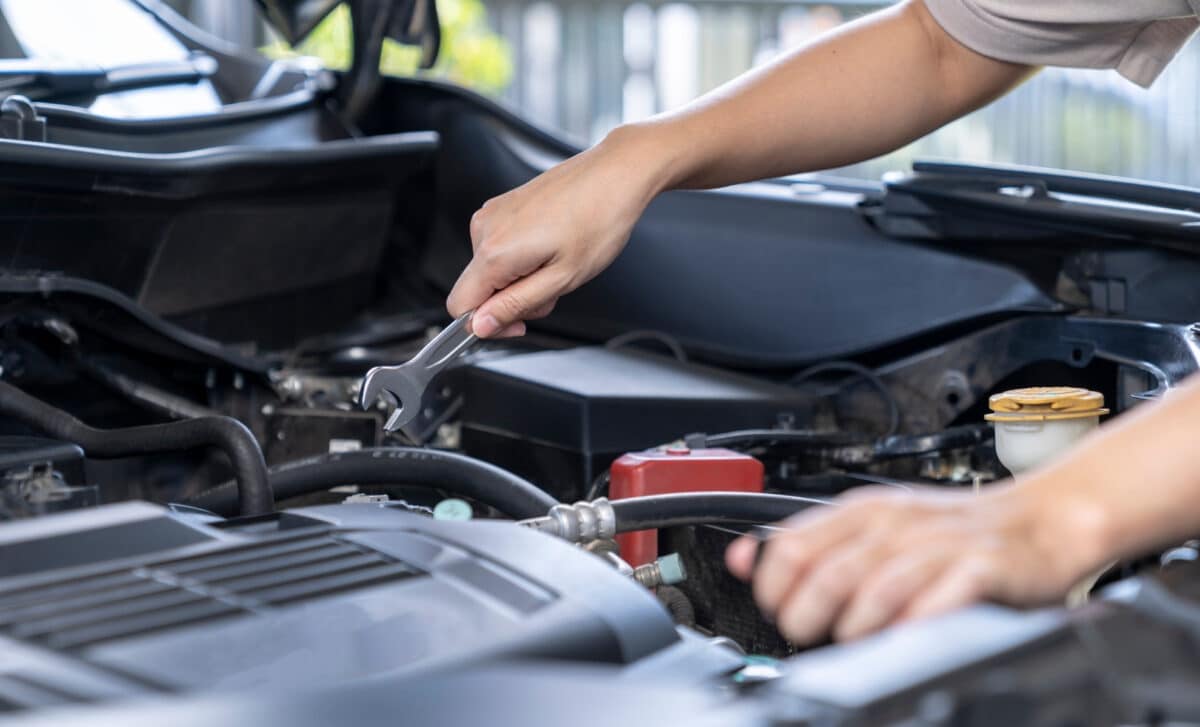
Working on a car at home requires patience and preparation more than professional-level expertise. While some jobs still demand specialized equipment, many routine maintenance tasks involve straightforward procedures that careful vehicle owners can manage themselves.
Replacing Filters Is One of the Simplest Maintenance Jobs
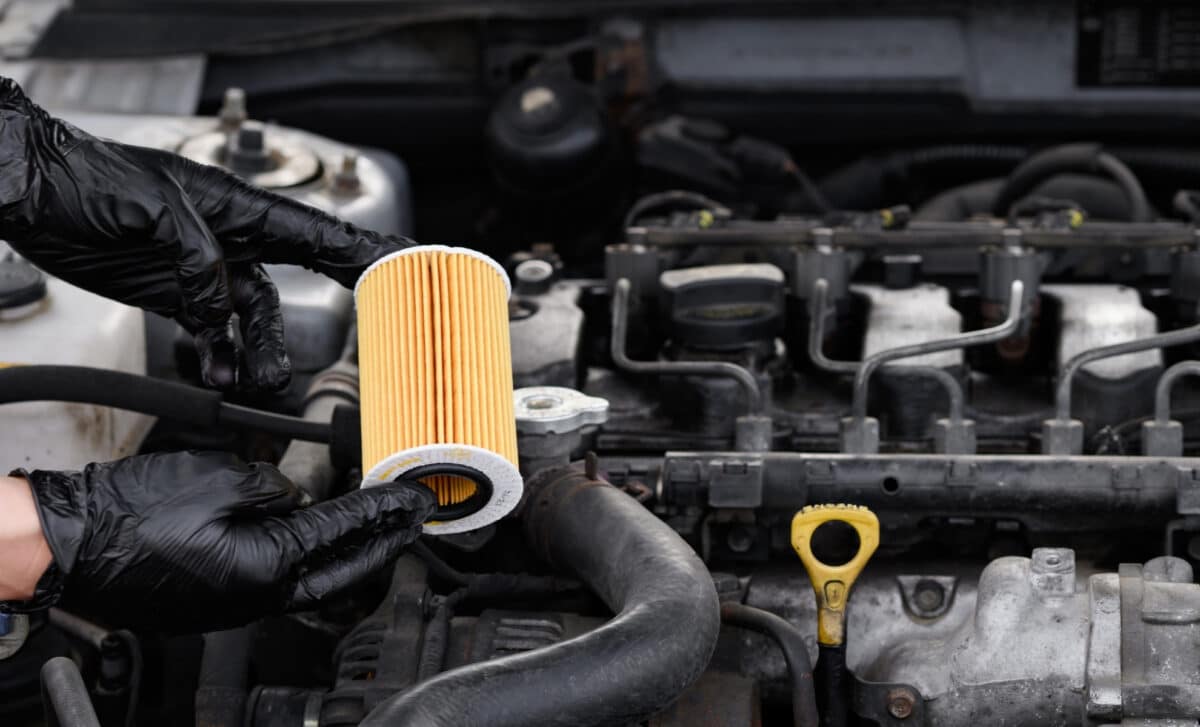
Modern vehicles rely on several filtration systems to maintain engine performance and cabin comfort. Air filters and oil filters are among the most commonly replaced components because they collect dirt and debris over time.
According to SlashGear, replacing these filters rarely requires specialty tools. In most cases, the process involves opening the filter housing, removing the old filter, inserting the replacement, and closing everything back up. The source notes that many mechanics present filter replacements as expensive or urgent repairs even though they are relatively simple tasks for most car owners.
Even people with no prior experience can locate filters and learn the replacement process through online tutorial videos. Once the housing is accessible, the operation usually becomes a straightforward swap followed by reinstallation of the removed parts.
Spark Plugs and Tire Rotations Help Maintain Vehicle Performance
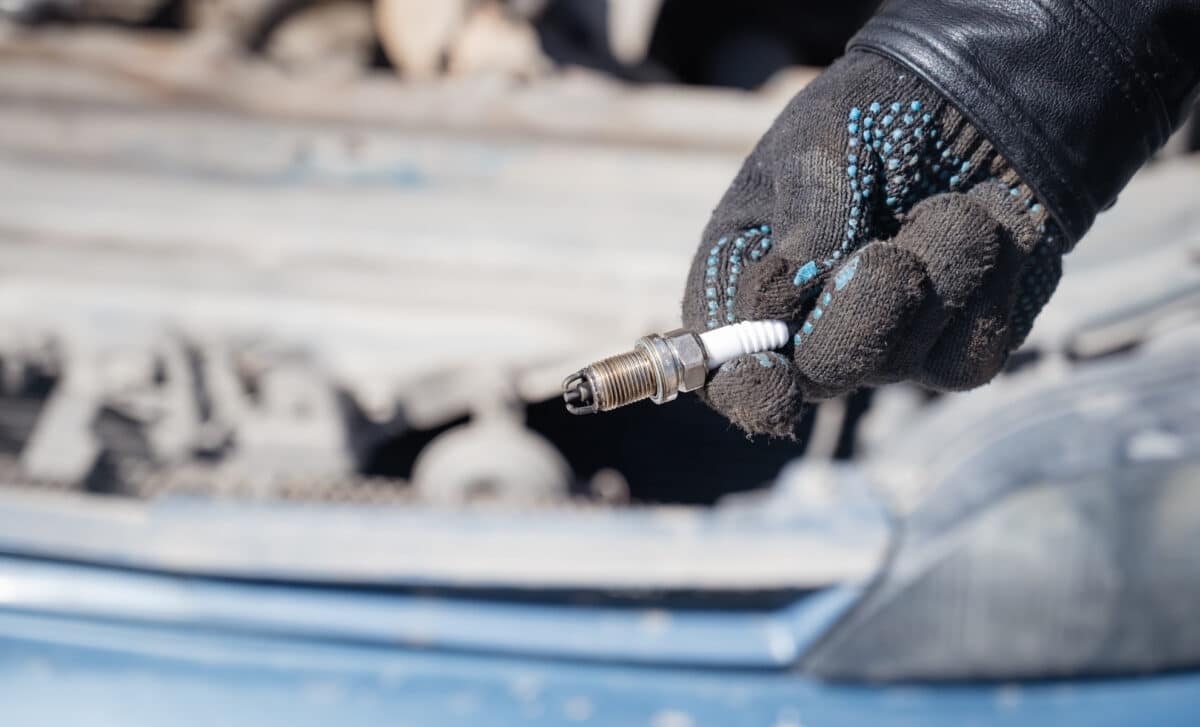
Spark plugs are another component that beginner mechanics can replace with limited difficulty. These parts ignite the mixture of fuel and air inside the engine and gradually wear down because of repeated exposure to heat and combustion.
Replacement intervals vary depending on the spark plug type, generally ranging between 30,000 and 100,000 miles. Copper spark plugs, for example, deteriorate faster than some alternatives. The replacement process requires spark plug sockets specifically designed for removal and installation.
Older vehicles may also require attention to distributor components or wiring connections, though the task remains relatively manageable. Mechanics typically remove the plugs with a simple turn before installing and tightening new ones individually.
Tire rotation is another recommended maintenance procedure that home mechanics can perform with basic lifting equipment. Experts often recommend rotating tires every 3,000 to 7,500 miles, while the average driver covers roughly 13,500 miles annually.
Rotating tires regularly helps balance wear patterns and can extend tire lifespan. Unlike full tire replacement, which may require balancing equipment and sealing tools, rotating tires mainly involves removing and repositioning wheels according to a specific pattern.

Oil Changes and Small Body Repairs Are Manageable With Preparation
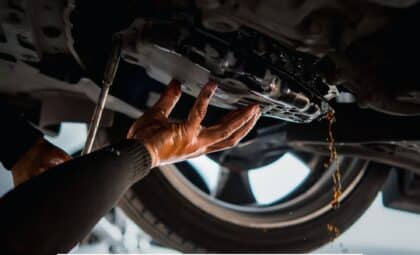
Changing engine oil is frequently viewed as a professional-only task, though the process itself is relatively direct when approached carefully. The necessary equipment includes an oil pan, sockets, a ratchet, and the manufacturer-recommended oil type and quantity.
The first stage involves draining the used oil into a properly sized container. The source stresses the importance of preparing for the flow of old oil before loosening the drain point, since the process can become messy quickly. After draining, the plug is reinstalled and fresh oil is added to the engine. Many owners also replace the oil filter during the same procedure.

Dent puller kits are commonly used to repair shallow dents and minor body imperfections. Some online hacks involving dry ice can damage paint and are unsuitable for larger dents caused by collisions.
Rust repair is also possible without advanced welding skills in some cases. The process involves removing rusted material, applying automotive body filler such as Bondo, and sanding the repaired area smooth. While paintwork may still require professional assistance, the bulk of the repair can often be completed at home with patience and the proper tools.