
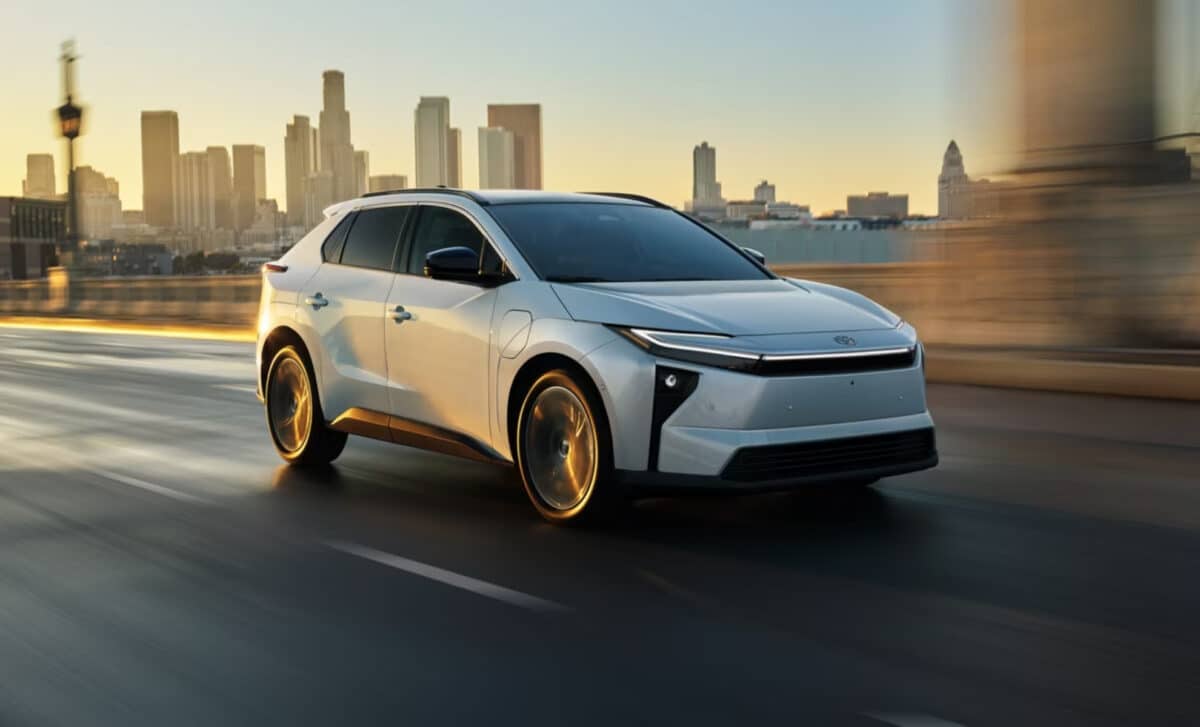
The Toyota bZ crossover is on track to be the top-selling non-Tesla electric vehicle in the United States for the first quarter of 2026, with 10,029 units sold between January and March, a 79% increase over the same period last year. The result puts Toyota ahead of established EV contenders at a moment when the broader U.S. electric vehicle market is actually shrinking.
The timing is not trivial. Overall EV sales in the United States fell 28% in the first quarter of 2026, dropping to roughly 213,000 vehicles from nearly 300,000 in Q1 2025, according to Cox Automotive estimates. The electric vehicle share of the U.S. car market stood at 5.8%, down about two percentage points year over year, as looser environmental regulations and the premature end of the federal EV tax credit prompted several automakers to slow or reverse their electrification plans. Against that backdrop, Toyota’s gain stands out all the more sharply.
A Revamped Vehicle at a Lower Price
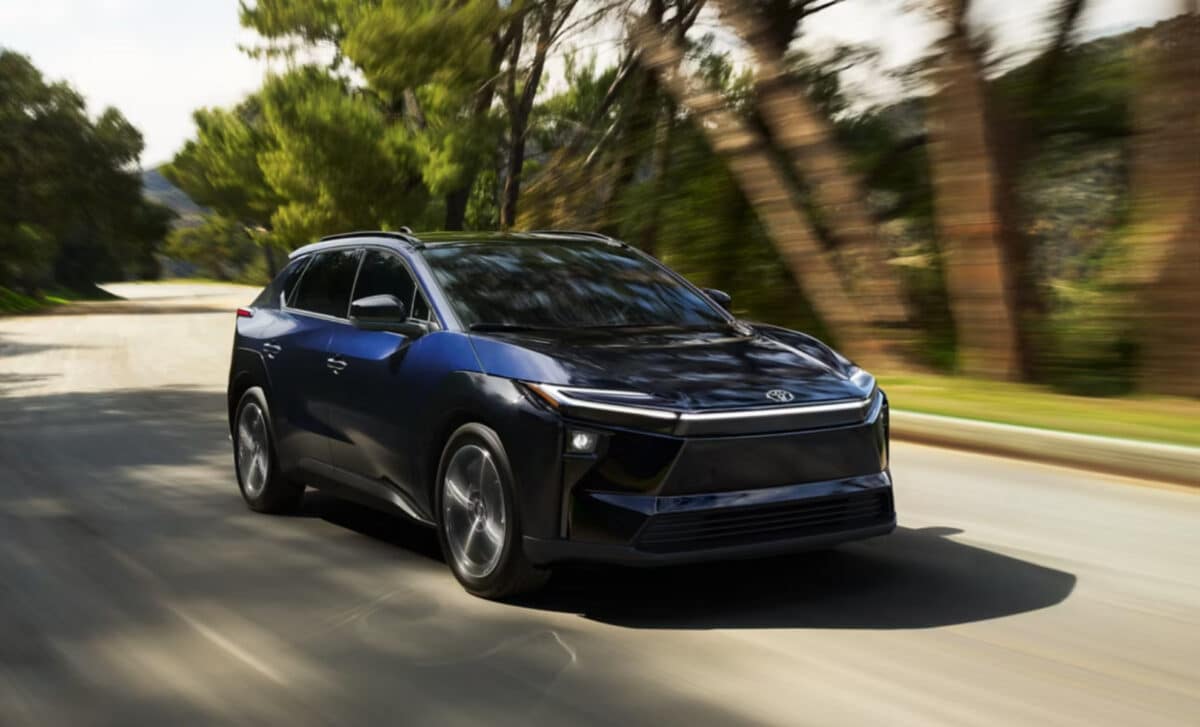
A large part of the bZ’s turnaround can be traced to a comprehensive overhaul for the 2026 model year. Toyota cut the base price by more than $2,000, bringing it to $36,350 before any discounts or incentives.
The automaker also significantly improved the vehicle’s maximum range, raising it from 252 miles to 314 miles without meaningfully raising the price of that particular configuration. These changes address two of the most common criticisms leveled at the previous generation of the vehicle, which arrived later than its competitors and with weaker specifications.
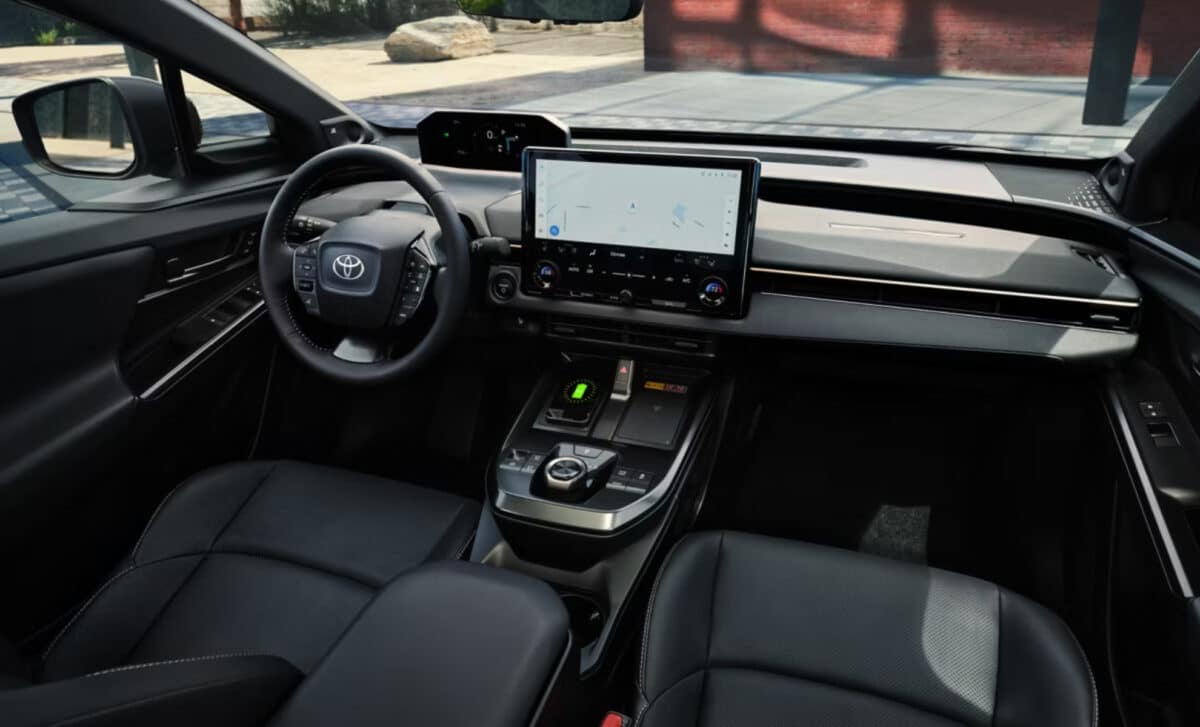
That said, InsideEVs notes that the bZ is still not without its flaws, the publication remains “consistently baffled” by the absence of one-pedal driving and built-in route planning, features that have become standard expectations in the segment.
An Aggressive Pricing Strategy Buying Market Share
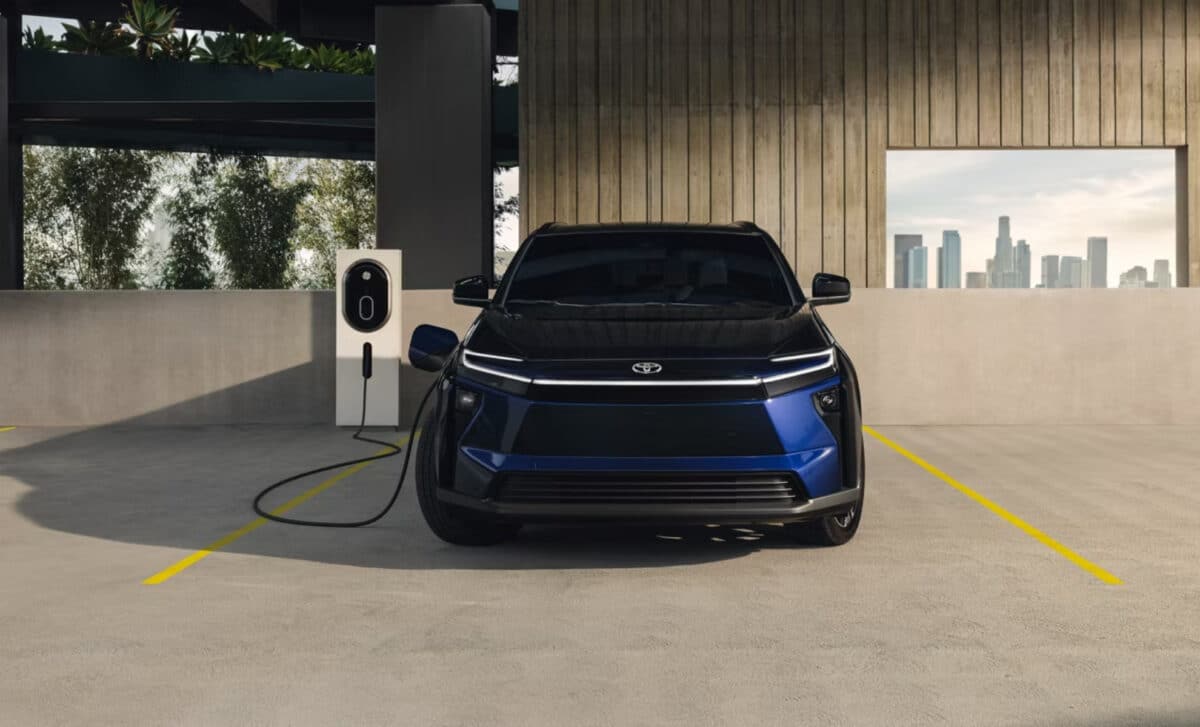
Toyota has also been leaning heavily on financial incentives to accelerate adoption. According to Cox Automotive data, bZ vehicles were selling in February with incentives worth 30% of their average transaction price, more than double the industry-wide EV average of 14.2% that same month. Stephanie Valdez Streaty, director of industry insights at Cox Automotive, put it plainly: “I think that’s their strategy: We want to buy share. And it’s working.”
Toyota, for its part, framed the approach in neutral terms. “We adjust our pricing structure for each of our models based on market conditions, vehicle content, and the competitive landscape,” a company spokesperson said.
The discounting has coincided with notable underperformance from rivals. Ford sold just 4,600 Mustang Mach-Es in Q1, a 60% year-over-year decline. The Chevrolet Equinox EV, which was last year’s top non-Tesla seller, moved 9,589 units, falling just short of the bZ’s total. Hyundai’s Ioniq 5 came the closest, with 9,790 units sold, up 14% from Q1 2025. Tesla, which does not break out U.S.-specific figures, remained in “a different universe” in terms of volume.
The Toyota Brand Halo at Work
Beyond pricing and product improvements, Toyota benefits from something harder to manufacture: deep consumer trust. Two separate polls cited by Cox Automotive found that Americans named Toyota as the brand they would most want to buy an electric vehicle from, ahead of companies with far longer EV track records. “They have this halo effect,” Valdez Streaty said.
That reputation was built over decades on reliability and value, not on electric drivetrains. The original bZ4X, as the model was previously named, did little to strengthen Toyota’s standing among dedicated EV buyers when it launched. But the broader American car-buying public, it turns out, was willing to wait for Toyota to get there.
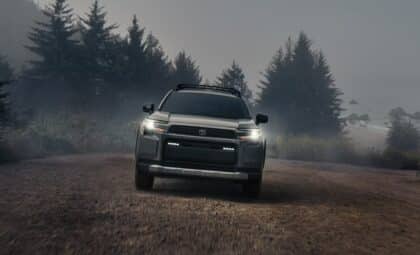
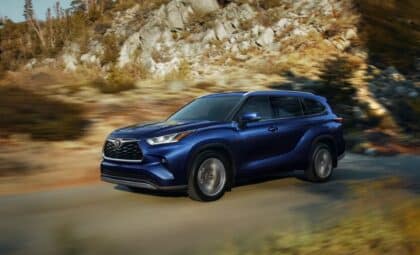
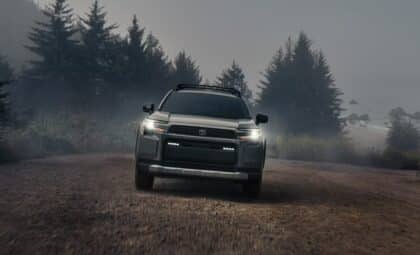
Now that the company is arriving with a genuinely competitive product and an expanding lineup, including the bZ Woodland, the C-HR, and an upcoming electric Highlander, the brand’s latent EV appeal may finally have a real outlet.