

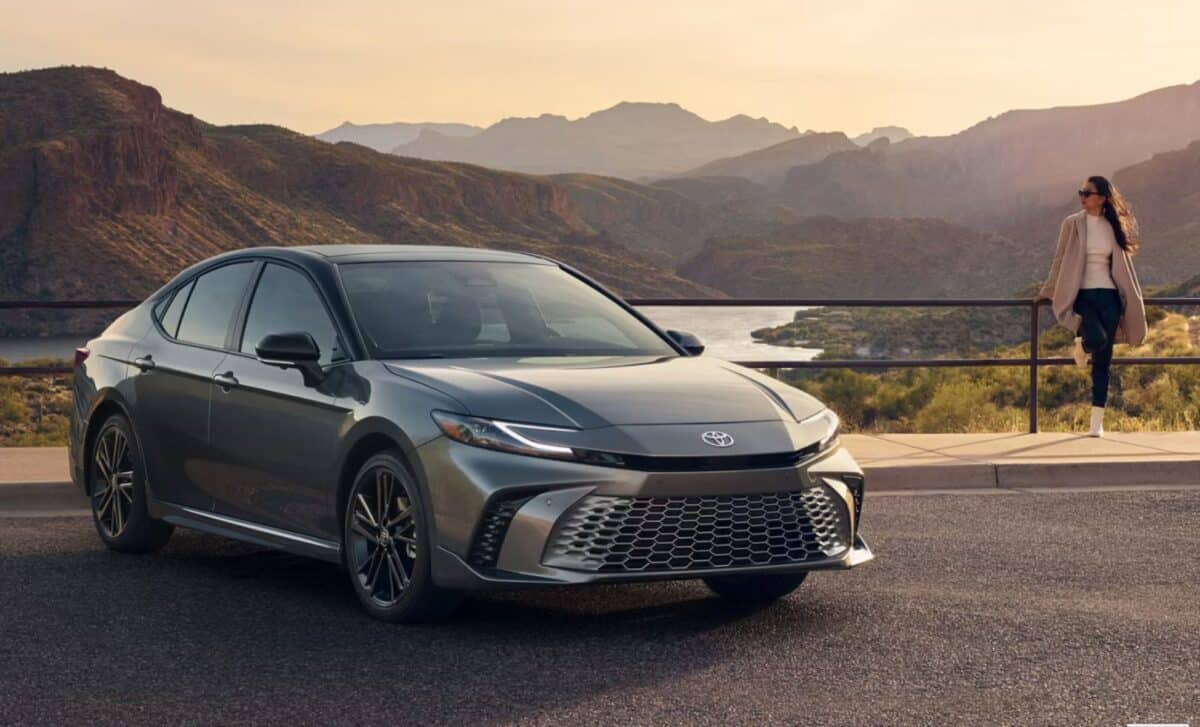
In early 2026, a notable shift emerged when the Toyota Camry outsold the RAV4, signaling a potential change in consumer demand. While temporary factors played a role, industry leaders are increasingly acknowledging that traditional passenger cars may still hold significant appeal.
The broader context reflects a decade-long pivot toward SUVs, driven largely by profitability and aggressive marketing. Yet that strategy has created new challenges, particularly as higher vehicle prices limit accessibility for many buyers.
Sedan Sales Show Unexpected Resilience
During the first quarter of 2026, the Toyota Camry reached 78,255 units sold, marking an 11.3% increase year over year. Over the same period, the Toyota RAV4 recorded 59,869 units, a sharp 48.1% decline. According to Carscoops, the SUV’s performance was affected by its transition to a new generation, which complicates direct comparisons.
Even so, the figures highlight a rare occurrence in recent market history., as the Camry had not led Toyota’s lineup in nearly a decade. This performance has drawn attention across the industry, suggesting that consumer interest in sedans may be stronger than previously assumed.
Industry Leaders Revisit The Car Segment
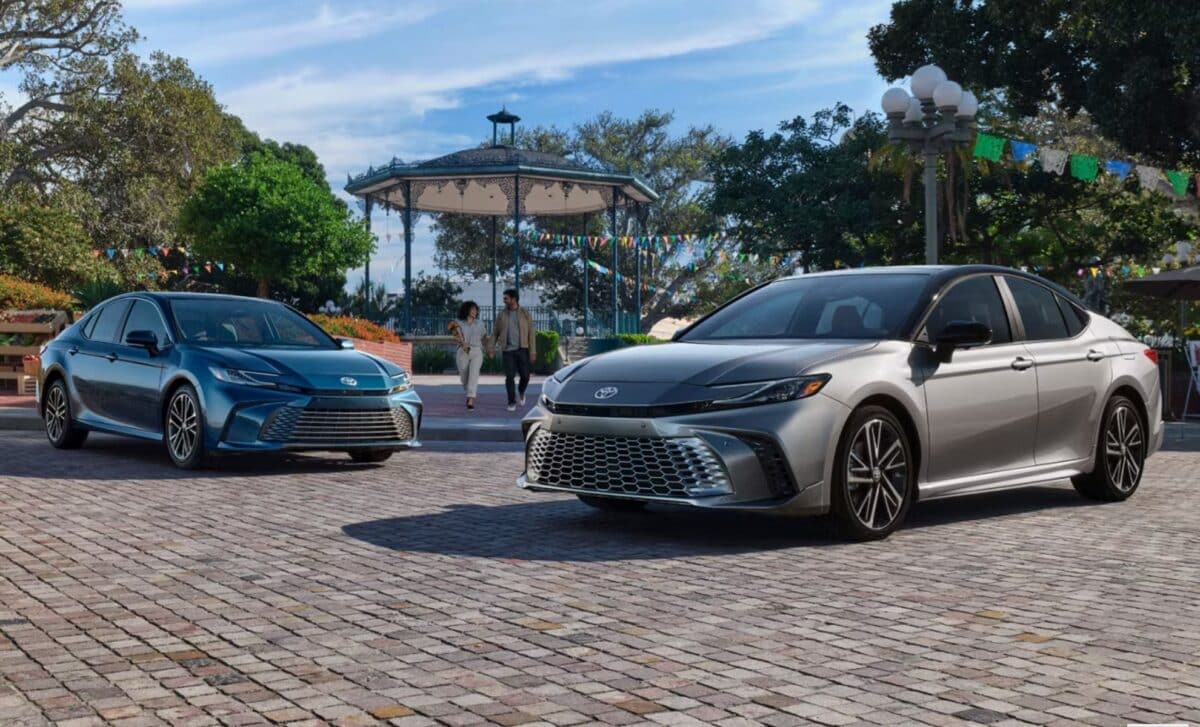
Automakers including Ford, Nissan, and Stellantis are now openly reconsidering their approach to sedans. According to a new report from Auto News, executives see renewed opportunity in the segment.
Nissan’s U.S. marketing and sales chief, Tiago Castro, described sedans as “unapologetic and unexpected,” adding that they offer “an opportunity to connect back to the roots of the brand.” This perspective reflects not only market demand but also brand identity considerations.
At Stellantis, design chief Ralph Gilles pointed to shifting preferences among both consumers and designers. He told Car Design News that “a lot of people are asking for sedans,” while also noting interest in compact, personal vehicles reminiscent of earlier hatchbacks. These vehicles are valued for being fun to drive and easy to park, characteristics that contrast with larger SUVs.
Ford has also signaled a possible shift. CEO Jim Farley stated at the Detroit Auto Show in January that “the sedan market is very vibrant,” while acknowledging past challenges in achieving profitability. He added that the company may now find a way to compete effectively in this space.
Regulatory Changes Could Reshape Vehicle Strategies
Fuel economy regulations are another key factor influencing automakers’ decisions. For years, manufacturers argued that stringent targets—such as 50.4 miles per gallon—were difficult to meet. Now, federal standards are expected to ease to 34.5 miles per gallon.
This regulatory adjustment may come with a significant consequence: the reclassification of many crossovers and small SUVs. Previously categorized as “light trucks,” these vehicles benefited from more lenient efficiency requirements.
If reclassified as passenger vehicles, these models would be subject to stricter standards, potentially reducing their profitability. This shift could discourage automakers from prioritizing crossovers and SUVs to the same extent as before.
In that context, the renewed interest in sedans appears less like nostalgia and more like a strategic response to changing economic and regulatory conditions.