
Nissan says demand for affordable vehicles in the United States still exists, even as tariffs and shrinking profit margins make low-cost models harder to sustain. For part of the 2025 model year, the Nissan Versa S with a five-speed manual transmission remained the last new car in America priced below $20,000 before the automaker quietly discontinued it in May 2025.
Nissan later ended Versa sales for the U.S. market entirely, citing the impact of the 25 percent tariff on vehicles built in Mexico. The Versa continues to be sold in Mexico and other international markets while Nissan works to preserve affordable models such as the Sentra and Kicks.
Nissan Says Affordable Cars Still Matter
According to MotorTrend, Nissan Motor Corporation president and CEO Ivan Espinosa said the company still sees a place for ultra-affordable vehicles in North America, though tariffs have made pricing difficult to sustain.
“I think so, but there is context,” Espinosa said when asked whether Nissan still believes in the market for inexpensive cars. He added that tariffs and customer demand are “competing forces” and described pricing as the central challenge.
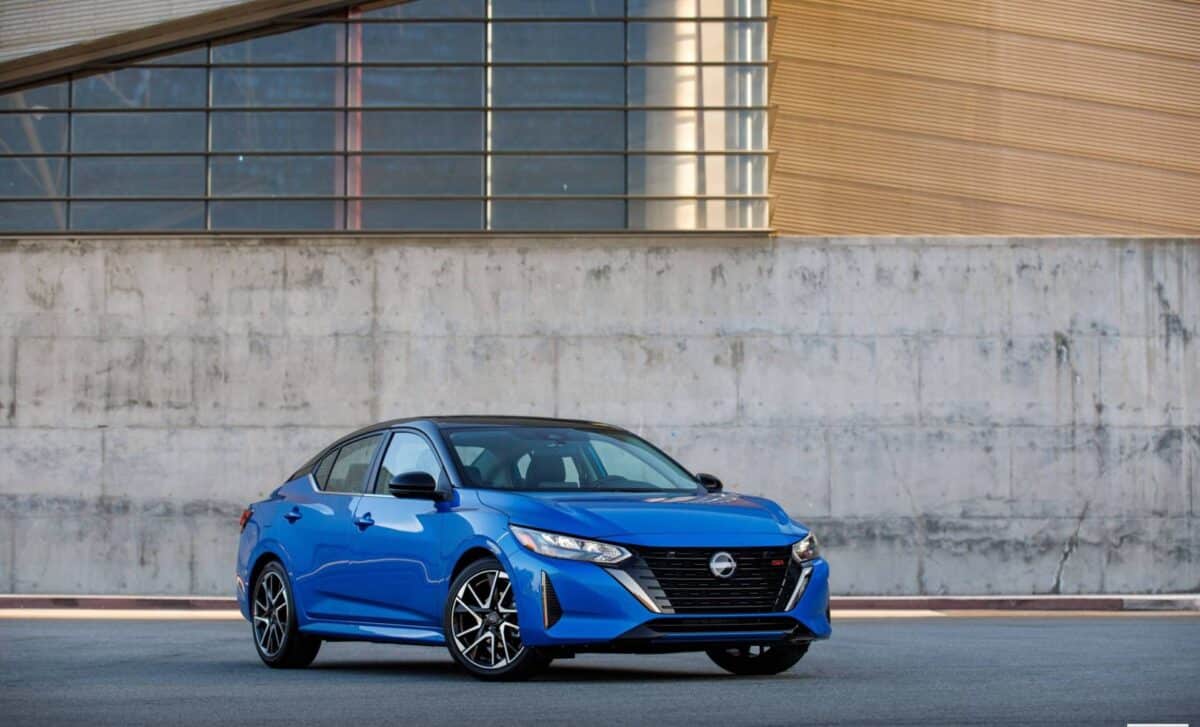
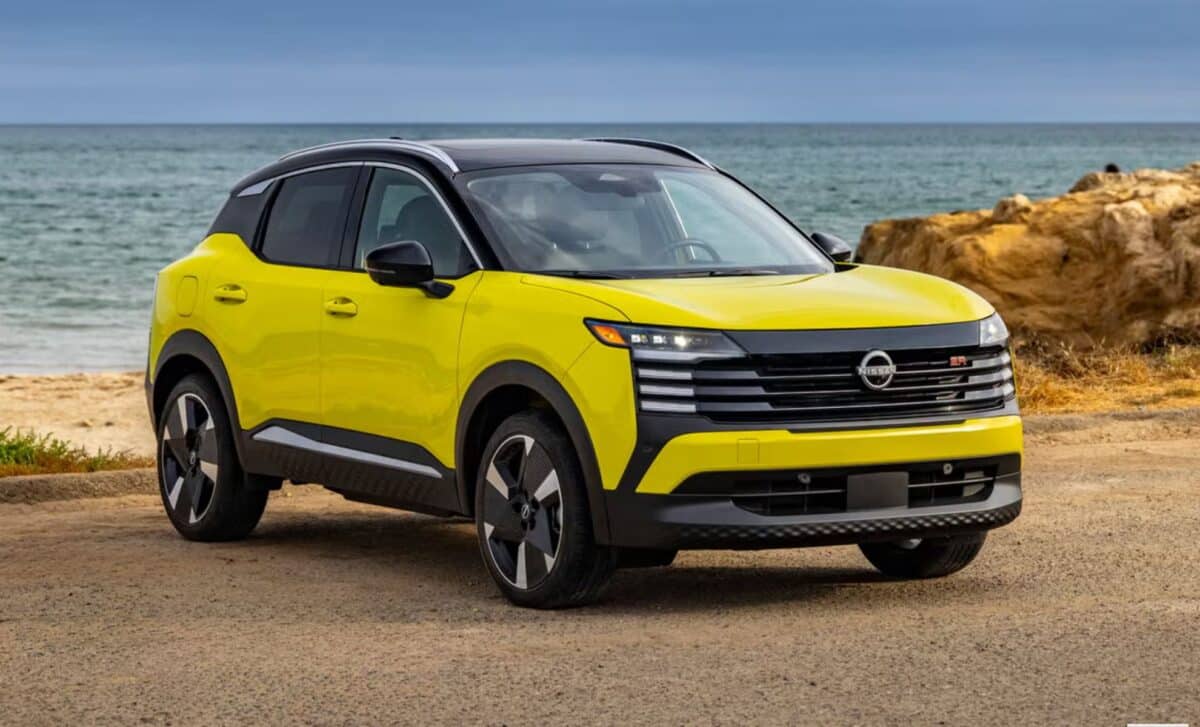
Espinosa pointed to the Nissan Kicks and Nissan Sentra as examples of vehicles that remain competitive despite current trade conditions. Both models are produced in Mexico and continue to rank among the least expensive new vehicles available in the U.S.
Nissan has already removed some lower trims of the Kicks and Sentra because they were “at the edge of profitability,” according to Espinosa. He also stated that the company could restore those trims if the tariff situation changes. “We would add more. We have the capability and competitiveness with our Mexico operation,” he said.
Tariffs Continue To Pressure Nissan’s Strategy
Nissan executives acknowledged that moving production from Mexico to the United States has been studied, though company leaders described the process as difficult and expensive.
Nissan Americas chairman and CEO Christian Meunier said a 25 percent tariff on entry-level vehicles “is not sustainable.” Nissan Americas chief product and planning officer Ponz Pandikuthira expressed optimism that trade tensions with Mexico would eventually be resolved, although he admitted the process has taken longer than expected.
In the meantime, Nissan is modifying its lineup by removing lower trims and increasing the use of American-made parts in vehicles assembled in Mexico. Meunier said the company is also identifying U.S.-based supplier content and emphasizing that research, development, and crash testing activities are carried out in Michigan.
Nissan has additionally pushed for assistance from the Mexican government while awaiting a possible renegotiation of the USMCA trade agreement between the United States, Mexico, and Canada, scheduled for review in July. “Twenty-five percent is hard to swallow, especially on product with little margin,” Meunier said. He also argued that Mexico’s tariff treatment is unfair compared with countries facing lower rates.
Nissan Plans A Return To Simpler And Cheaper Vehicles
Meunier admitted Nissan had drifted away from affordability by adding unnecessary technology and features that increased prices across its lineup. “We lost our way a little bit, putting a lot of technology for the sake of it, adding features and cost to our cars and we we’re gonna stop doing it,” he said.
The upcoming Nissan Xterra, expected in 2028, was presented as a symbol of this new direction. Meunier stated the SUV would arrive “for below $40,000 with everything you need, nothing you don’t,” reviving the slogan associated with the original 2002 model.
Nissan also confirmed that it still sees a future for sedans in the American market. Espinosa explained that the Sentra has moved upscale in terms of style and amenities and now occupies territory once held by lower trims of the Altima. He also confirmed that a new Infiniti Q50 sport sedan is in development for Nissan’s luxury division and will be based on the next-generation Nissan Skyline.

While the idea of a sedan positioned below the Sentra has not been ruled out, Espinosa said current tariffs make such a vehicle difficult to justify for now.
The company also addressed the future of continuously variable transmissions, or CVTs. Espinosa said the technology still works well for smaller vehicles and noted that Nissan has improved the system over time, although larger vehicles are increasingly shifting toward conventional transmissions.
“If I want to make an affordable car that is sporty, instead of making a spicy Sentra, I would probably go and make a Sylvia, an affordable sports car,” Espinosa said, before adding that he was not confirming any production plans.