

Interest in hybrids continues to rise in the United States, even without the federal incentives granted to some electrified vehicles. More than 200 hybrid variants are available for the 2025 model year, covering everything from compact sedans to pickup trucks. This wide range reflects how deeply hybrid technology has spread across the market.
Unlike plug-in hybrids, traditional gas-electric models generally do not qualify for federal tax credits. The same source notes that incentives currently apply only to limited cases such as the Chrysler Pacifica Hybrid and are expected to phase out soon. Still, consumer demand remains strong, suggesting buyers are weighing long-term savings over short-term incentives.
Upfront Cost Versus Fuel Savings
For compact and mid-size cars and SUVs, hybrids often justify their higher purchase price through improved fuel economy. According to Car and Driver, models like the Honda Civic and CR-V offer hybrid versions that cost a few thousand dollars more but deliver significantly better efficiency and even increased power and torque compared to base gasoline engines.
Take the 2025 Honda Civic as an example. The gas-only Civic Sport starts at $27,400, which is $2,700 less than the hybrid version. Yet the EPA estimates 34 mpg for the gasoline model versus 49 mpg for the hybrid, resulting in roughly $400 in annual fuel savings. Based on those figures, the hybrid recoups its extra cost in just over six years for long-term owners.
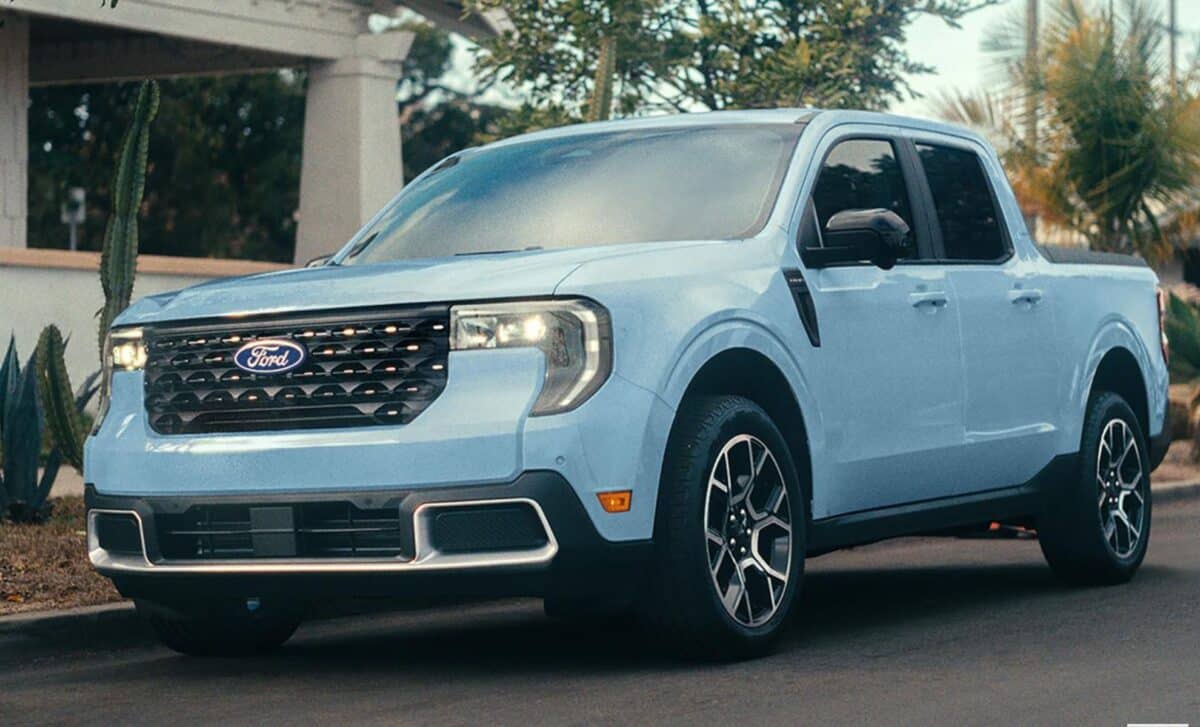
The Ford Maverick presents a slightly different case. Its front-wheel-drive hybrid version starts at $29,840 and is actually $125 cheaper than the least expensive all-wheel-drive gasoline model. When comparing similar configurations, the hybrid carries a $2,095 premium—about an 8 percent increase—while delivering a 12 mpg improvement, or nearly 39 percent better efficiency. According to EPA-based estimates, that difference pays off in a little over three years.
Maintenance And Durability Realities
Maintaining a hybrid vehicle is broadly similar to maintaining a conventional gasoline car. Owners still need regular oil changes and routine fluid checks because the internal combustion engine remains a core component.
There are some differences, though. The presence of an electric motor and regenerative braking system reduces wear on brake components, meaning pads and rotors tend to last longer than in traditional vehicles. This can slightly lower maintenance costs over time.
Battery reliability is another key factor. Hybrid battery packs are not deeply cycled like those in fully electric vehicles, which helps maintain a stable charge and temperature. Most manufacturers back these systems with warranties of at least eight years or 100,000 miles, covering related components such as inverters and control modules.
Battery Replacement Costs And Long-term Considerations
Replacing a hybrid battery can be expensive, but it is not always prohibitive. Data cited from RepairPal indicates that replacing the battery in a 2012 Toyota Prius costs around $5,000, including parts and labor, roughly comparable to replacing an engine in a similar gasoline vehicle like a 2012 Toyota Corolla.
Plug-in hybrids can be more costly. The same estimates place the replacement cost for a 2012 Prius Plug-In battery between $10,000 and $12,000. While significant, these figures are still lower than purchasing a new vehicle.
There is a limit, though. If a hybrid’s battery fails outside warranty and the replacement cost exceeds the car’s value, owners may be better off replacing the vehicle entirely. That scenario is rare but worth considering when evaluating long-term ownership.
Hybrid cars, then, sit at the intersection of higher upfront investment and gradual financial return. For drivers planning to keep their vehicles for several years, the balance often tilts in favor of efficiency gains and reduced fuel costs.