

Victoria Childers and Lamont Landrum Jr. traded suburbia for the open road—and haven’t looked back. After quitting their jobs, selling their house, and buying an old RV, the couple has spent nearly five years traveling across the United States, living and working out of their mobile home. From sugar beet harvests to managing campgrounds, they’ve built a life that’s unstable, exhausting, and, for them, deeply rewarding.
Their journey reflects the lesser-known reality of work-camping, a lifestyle where seasonal labor and mobility replace fixed salaries and permanent homes. This American couple has embraced a version of freedom that comes with long hours, low pay, and plenty of risk, but also flexibility, autonomy, and a strong sense of purpose.
From Detroit to a 1992 Tiffin Allegro
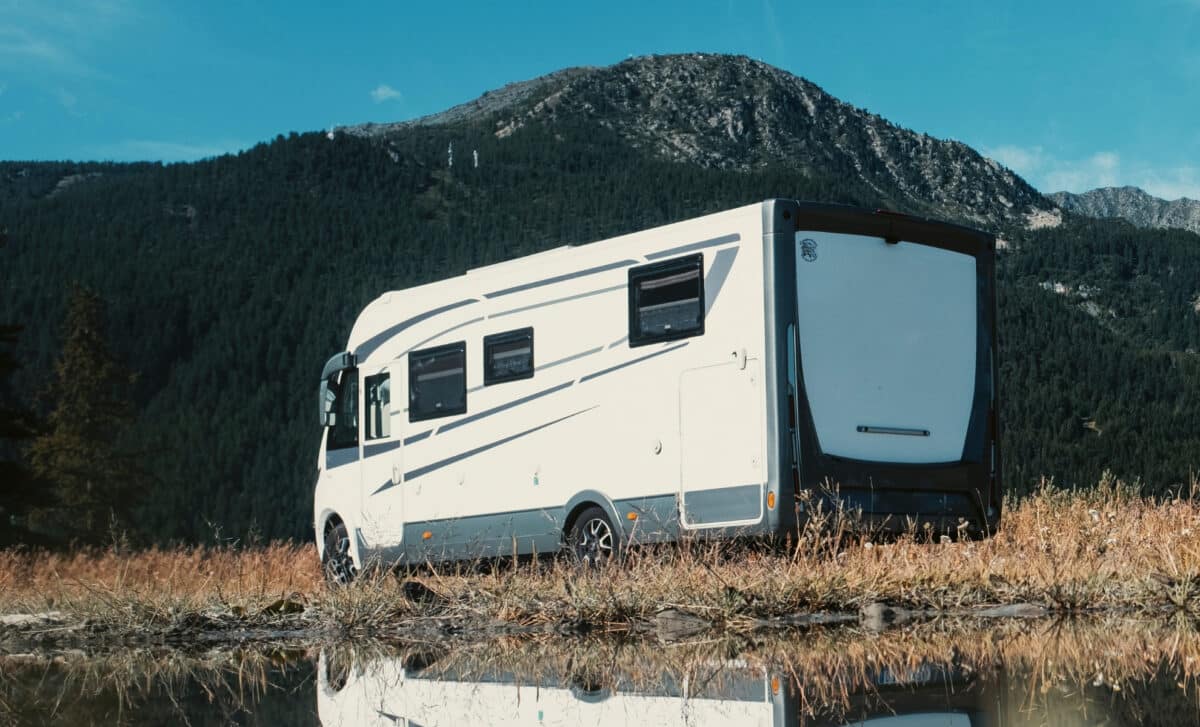
In 2019, Childers and Landrum made the first move toward life on the road by buying a 1992 Tiffin Allegro RV for $22,500, financed with a home equity loan. Renovating the vehicle took several months, but they only hit the road after selling their house in November 2020 for approximately $250,000. They left Wixom, Michigan, with three dogs, two cats, and a plan to travel full-time across the U.S, reports Business Insider.
At first, Childers supported both of them with her remote job as a customer success representative for a software education company. But Landrum, who had worked in construction and as a handyman, felt aimless. That changed when he signed up for a seasonal job with American Crystal Sugar in North Dakota, transporting sugar beets from farms to processing plants. The six-week gig paid nearly $7,000 and included a free RV hookup, a rare combination in the work-camping world.
Making a Living From Seasonal Gigs
Since then, the couple has fully embraced the work-camping lifestyle, moving from job to job across the country. Landrum has held a string of short-term roles, including a position in 2022 at Mackinaw Mill Creek Campground in Michigan, which paid $12.50 per hour and offered a full-service campsite that normally costs at least $65 a night.
After being laid off from her remote job in early 2023, Childers joined Landrum in work-camping. Their first shared assignment was in Leadville, Colorado, working for a company that manages sites in Pike-San Isabel National Forest. In addition to her on-site duties, she began writing resumes for fellow RV workers, finding clients through job boards and word of mouth.
They’ve since upgraded to a 2008 Jayco Seneca, purchased for $73,000 in 2022. Their travels are powered by a 2017 Jeep, which they use for off-road excursions during downtime. In five years, they’ve stayed in over a dozen locations, some of them multiple times, and plan to return to North Dakota for a fifth sugar beet season this fall.
Challenges of Life on the Move
The lifestyle comes with serious logistical and emotional challenges. Childers describes travel days as “stressful,” citing multiple breakdowns that forced them to check into motels. In February 2021, they were in Texas during the historic winter storm and statewide power outages, an experience she called frightening.
Job security is also fragile. Seasonal positions are often cancelled without notice, and “ghosting” from both employers and workers is common. Winter brings additional difficulties, as many campgrounds shut down or slash staff. Last winter, the couple returned to Michigan to visit family and took a break from work.
Although they’ve eliminated housing costs like rent and mortgage, RV life is not cheap. Repairs and fuel average around $200 a month, while payments on their current vehicle run $550. Still, this is far less than the $1,250 mortgage they previously paid in Wixom, even with utilities.
No Regrets, Just More Miles to Go
The road life can be isolating, but the couple has managed to build social connections along the way. They’ve reunited with fellow nomads in different states and formed a quiet sense of community. Still, Childers admits that many work-campers are loners by nature: “sort of nomadic people,” she says.
Despite the breakdowns, unreliable jobs, and financial juggling, Childers says she wouldn’t change a thing. Landrum feels the same, and has no intention of settling down. “I’ll be that guy who one day someone realizes hasn’t come out of his camper for a few days and finds out I’m dead,” he joked. “I just love it too much.”