

The automaker plans to introduce a total of 11 new models in the United States as part of a broader $41 billion investment in the region over the next five years. This initiative is part of Stellantis’ global turnaround strategy, FaSTLAne 2030, which seeks to grow sales volumes and expand product offerings worldwide.
This move comes as Stellantis seeks to strengthen its position in a competitive market, particularly in segments where basic, affordable vehicles have struggled to attract customers in recent years. Dodge, Ram, Jeep, Peugeot, and Fiat will remain the company’s core brands in the U.S., with Dodge and Chrysler now considered regional brands.
Stellantis Is Targeting The Affordable Segment With Vehicles Priced Under $40,000
Nine of the 11 new U.S. models are planned to cost less than $40,000, with two of them coming in at under $30,000, marking a clear emphasis on affordability. According to The Drive, Dodge CEO Matt McLear has repeatedly mentioned that he sees an opportunity in a back-to-basics sub-$30,000 sports car. McLear has framed this idea in simple terms, asking rhetorically, “do you need a radio?” to illustrate that entry-level vehicles can succeed without excessive features.
The strategy signals a deliberate push into segments that have largely been overlooked by more expensive models. For Stellantis, this could be a way to attract younger buyers or those who have been priced out of the new car market.
The approach also aligns with a broader industry trend, as the average U.S. new car now costs over $48,000, leaving space for competitively priced options that still deliver brand recognition and performance.
Ram And Dodge Are Expanding Their Lineups With Entry-level Offerings
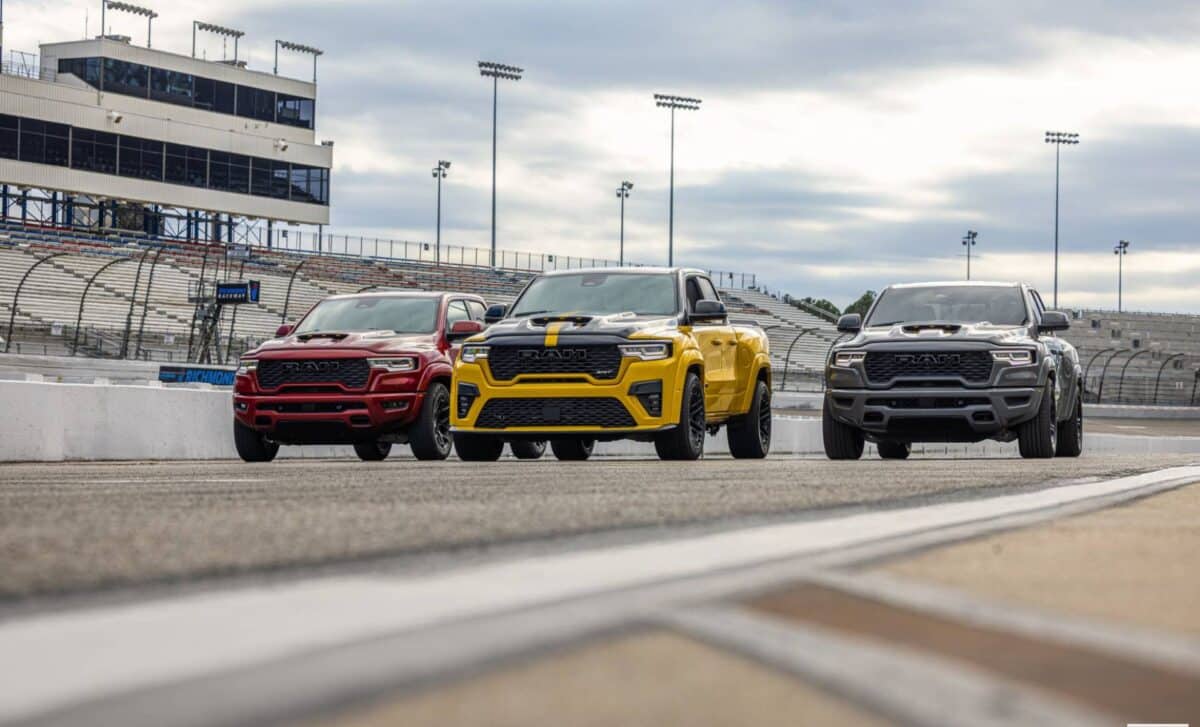
Ram is reintroducing the Rumble Bee, which will be part of a four-truck expansion. This includes a range-topping Hellcat-powered SRT model, representing the high-performance end of the brand. This expansion indicates that Ram is looking to cover both premium performance niches and more mainstream pickup markets simultaneously.
Meanwhile, Dodge dealers currently rely heavily on Durango sales, underscoring the need for additional models to maintain traffic and revenue. The potential sub-$30,000 sports car is part of a larger product offensive aimed at revitalizing Dodge’s lineup, though details on timing and specifications remain unclear.
By positioning Dodge as a regional brand alongside Chrysler, Stellantis may be testing the balance between niche performance vehicles and affordable, entry-level cars.
Chrysler Remains Limited To The Pacifica, Highlighting Its Role As A Regional Brand
Chrysler is now considered a regional brand and currently only offers the Pacifica minivan in its lineup. Stellantis has not announced any future Chrysler models under the FaSTLAne 2030 plan, leaving the brand’s long-term role in the U.S. market uncertain.
This limited presence contrasts with Stellantis’ global brands, which include Jeep, Ram, Peugeot, and Fiat, all of which continue to receive development attention and investment. Chrysler’s regional designation may indicate that Stellantis sees more growth potential in other brands while maintaining Chrysler as a niche offering for a specific segment. The focus on regional versus global brands reflects Stellantis’ strategic reshaping of its U.S. operations, ensuring investment goes toward models and brands with the highest volume potential.
With this approach, Stellantis aims to increase U.S. market share, diversify its product offerings, and appeal to cost-conscious buyers. The combination of entry-level vehicles, performance trucks, and regional brand focus demonstrates a comprehensive strategy to adapt to changing consumer preferences while reinforcing global brand priorities.