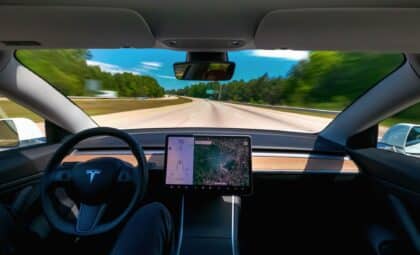
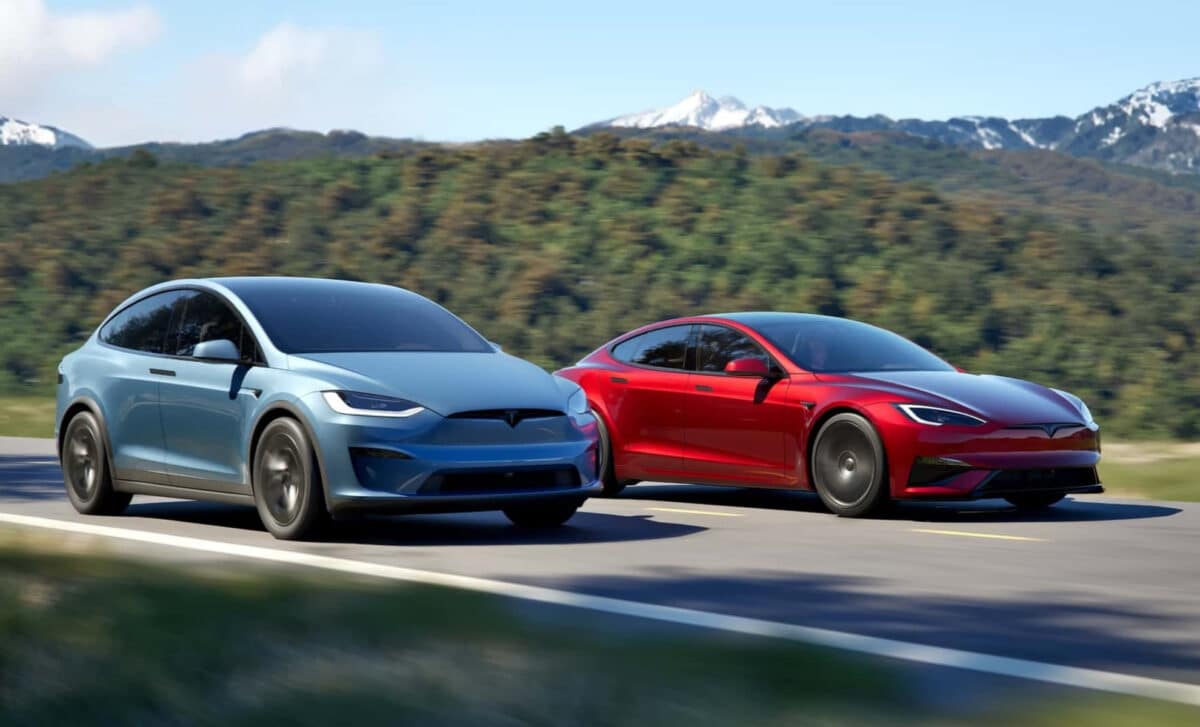
The move comes as Tesla shifts its focus toward newer priorities, particularly autonomy and robotics, as stated by CEO Elon Musk. The Model S and Model X, once central to the brand’s identity, have gradually lost prominence in Tesla’s lineup over recent years.
Introduced in 2012 and 2015 respectively, the two vehicles established Tesla as a leader in long-range electric mobility. Their discontinuation reflects broader changes in consumer demand and the company’s evolving strategy.
A Gradual Phase-Out Confirmed by Tesla
Custom orders for both models have been closed, with Tesla’s website now redirecting customers to existing inventory. According to InsideEVs, only 15 Model S units and 24 Model X units remain available in the United States.
All remaining vehicles come with added benefits, including free DC fast charging at Tesla Superchargers and lifetime Premium Connectivity. This package includes features such as satellite-view maps, weather updates, Sentry Mode, and access to music and video streaming.
Elon Musk confirmed the decision during Tesla’s first-quarter earnings call in January, stating that the programs would be brought to an end with what he described as an “honorable discharge.” Musk linked the decision directly to Tesla’s transition toward autonomy-focused development.
Custom orders of the Tesla Model S & X have come to an end. All that’s left are some in inventory.
— Elon Musk (@elonmusk) April 1, 2026
We will have an official ceremony to mark the ending of an era. I love those cars.
This was me at production launch 14 years ago: pic.twitter.com/6kvCf9HTHc
Vehicles That Defined Modern Electric Mobility
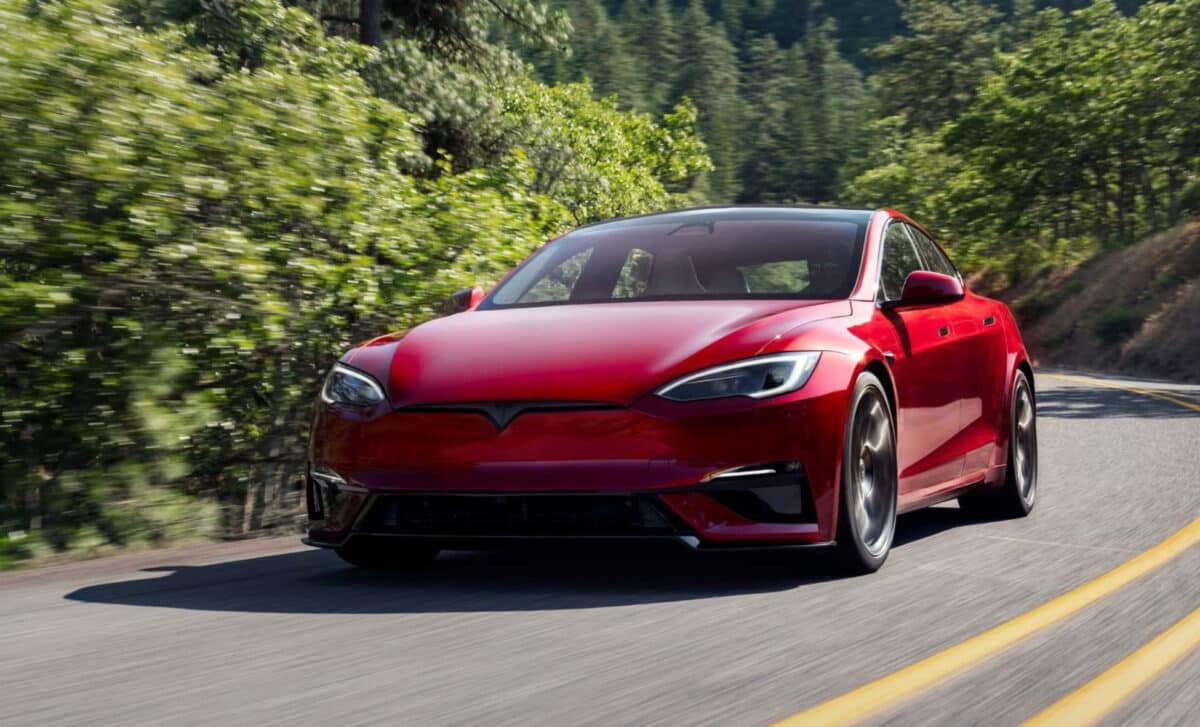
The Model S, launched in 2012, is widely regarded as the first truly modern electric car. It combined long driving range, fast charging capability, interior space, comfort, and high performance in a single package. Its impact helped position Tesla as a leading EV manufacturer.
Over its 14-year production run, the Model S underwent multiple technical updates, though its exterior design remained largely unchanged. This continuity became a defining characteristic of the vehicle.
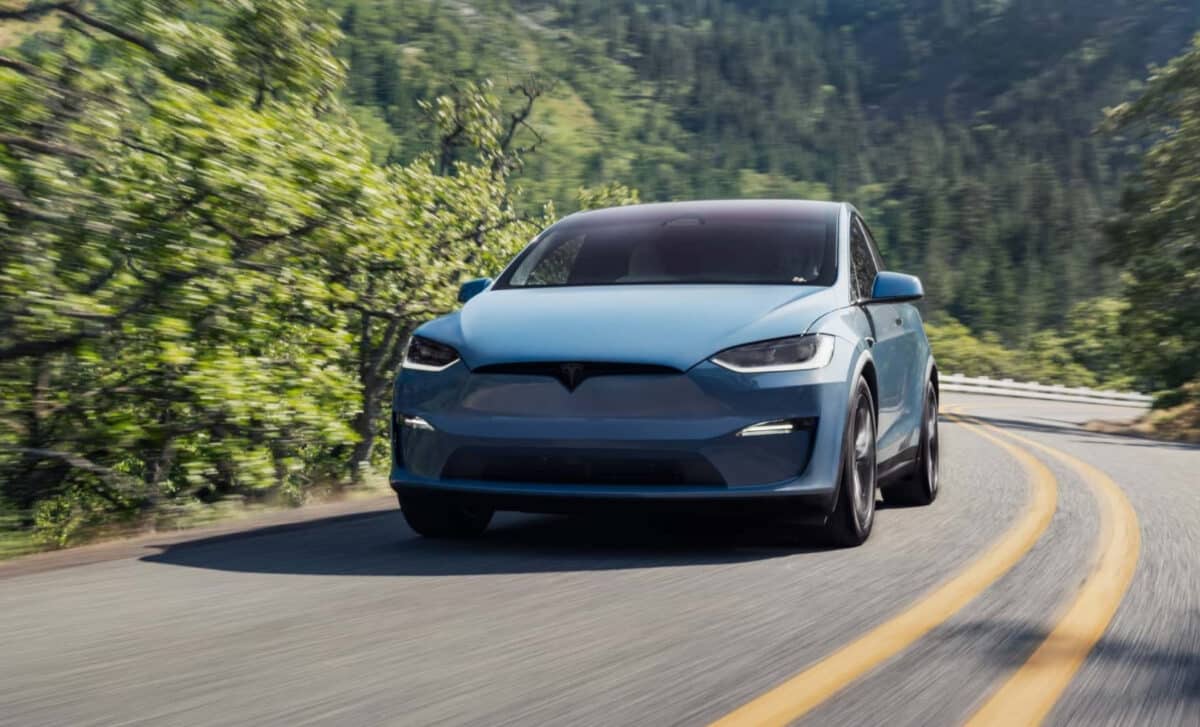
The Model X followed in 2015, introducing a luxury electric SUV format. It quickly gained attention for its Falcon rear doors and spacious interior. The Model X shared its platform with the Model S and offered strong long-distance capabilities, making both models key offerings in Tesla’s early portfolio.
Declining Sales amid Shifting Demand
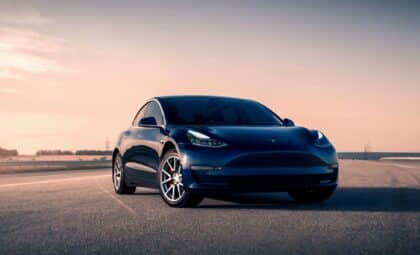
The popularity of the Model S and Model X began to decline after the introduction of the Model 3 in 2017. This smaller, more affordable vehicle attracted a broader customer base with its simpler design and lower starting price.
The trend continued with the arrival of the Model Y in 2020, which quickly became Tesla’s best-selling vehicle. The rise of these newer models significantly reduced demand for the company’s flagship sedan and SUV.
Sales figures reflect this shift. Last year, Tesla delivered 1.6 million units of the Model 3 and Model Y combined. In contrast, the “Other Models” category, which includes the Model S, Model X, Cybertruck, and Semi, accounted for just 50,850 units.
Over time, the Model S and Model X were moved into this secondary category in Tesla’s reporting, signaling their reduced role within the company’s lineup.