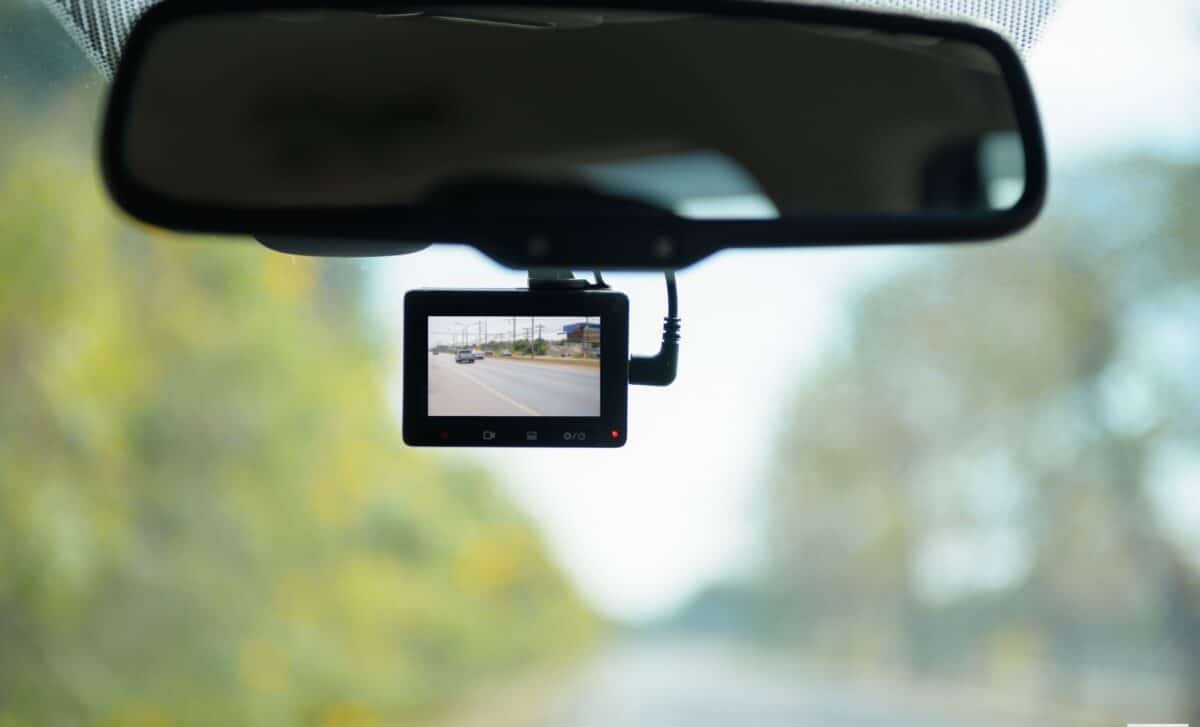

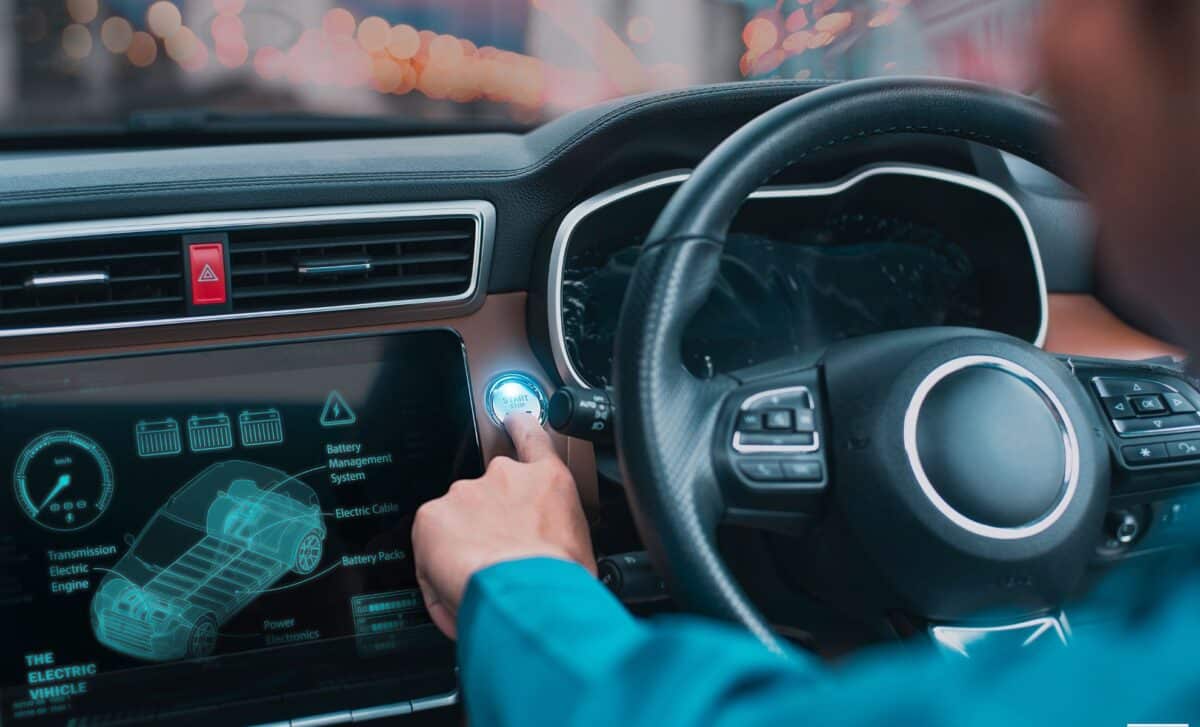
Cars have evolved far beyond the mechanical simplicity of past decades, when worn upholstery or broken buttons were among the most common issues. Today’s vehicles rely heavily on integrated electronics, sensors, and specialized components that often require extensive labor and precise recalibration.
This growing complexity means that even minor damage or wear can trigger costly repair processes. Features once considered luxuries are now widespread, but their long-term reliability and affordability remains a concern for many drivers.
Advanced Comfort Systems Come With Hidden Complexity
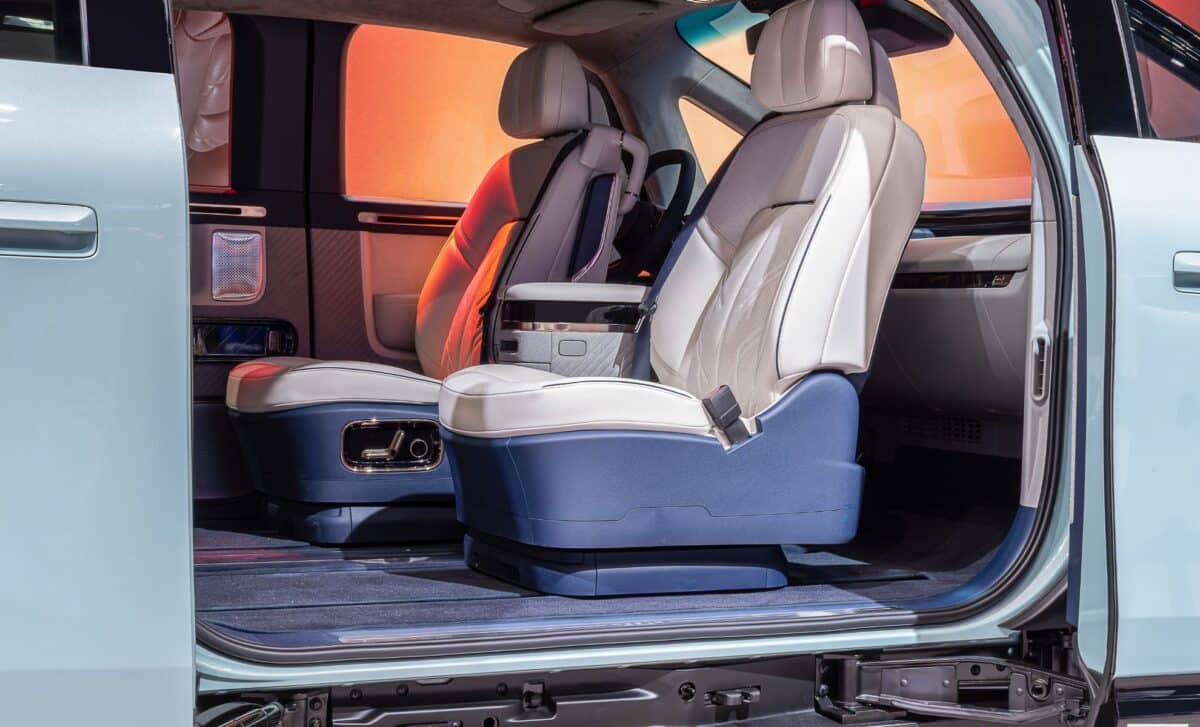
Massaging seats, sometimes marketed as “multi contour” or “active motion” systems, illustrate how comfort features have become engineering challenges. These seats rely on a network of mechanical actuators or air bladders that inflate and deflate to provide movement and support. While effective for long-distance comfort, their intricate design makes them difficult to diagnose and repair.
According to MotorTrend, fixing these systems can involve tracking air leaks through multiple lines and fully disassembling the seat. Labor costs alone can become significant, even before accounting for replacement parts.
Large LCD displays present another growing issue. Many modern vehicles integrate nearly all controls into expansive digital panels. When these fail, replacement is often the only option. Supply chain disruptions during the COVID period already left some owners unable to source parts, highlighting the long-term risks tied to these bespoke components.
Windshield Technology And Driver Assistance Systems Drive Up Costs
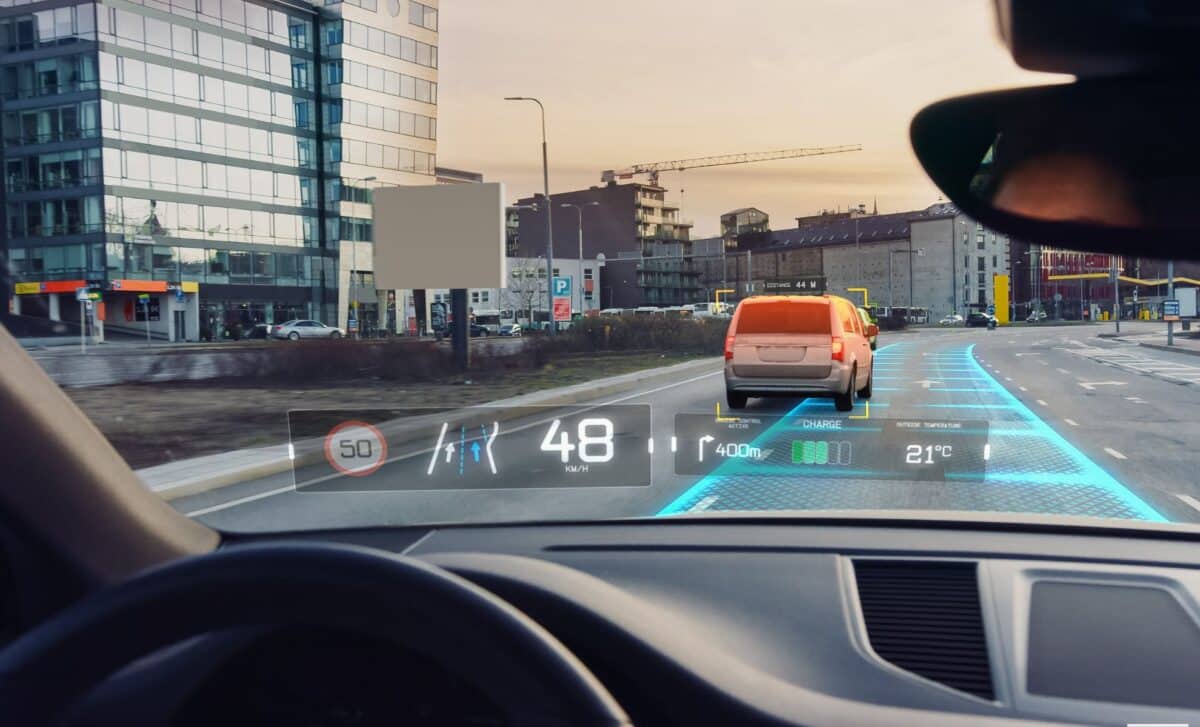
Head-up displays (HUDs) and advanced driver assistance systems (ADAS) are increasingly dependent on specialized windshields. These glass panels include reflective coatings required for projecting information or enabling camera-based safety systems.
Replacing such windshields is far more expensive than standard glass and can create unexpected complications. Incorrect installation may lead to blurred projections or malfunctioning systems.
The issue extends to stereoscopic ADAS cameras mounted near the windshield. Even slight changes in glass alignment can disrupt their operation. Recalibration after replacement is mandatory and requires specialized equipment, sometimes needing multiple attempts if technicians lack experience with a specific model.
A 2023 study by AAA, found that ADAS sensors account for one-third of accident repair costs. These systems depend on precise calibration, making even routine repairs more expensive and time-consuming.
External Sensors And Adaptive Systems Amplify Repair Bills
Beyond the windshield, many sensors are positioned in vulnerable areas such as bumpers, grilles, and side mirrors. These include radar and sonar units used for adaptive cruise control, parking assistance, and blind-spot monitoring.
Even a low-speed collision can damage these components, significantly increasing repair costs. Surround-view camera systems, which rely on multiple external lenses, face similar risks. Cameras embedded in mirrors or trunk lids are particularly exposed, and replacing them can be unexpectedly expensive.
Attention monitoring systems add another layer of complexity. These use cameras or LED-based sensors to track driver behavior, including gaze direction and signs of fatigue. When they fail, repairs may require disassembling parts of the dashboard or steering column. Such failures can also disable related features like adaptive cruise control.
Adaptive suspension systems further contribute to rising costs. Designed to manage increasing vehicle weight and improve ride quality, they rely on advanced components such as air suspensions or magnetically controlled shocks. These systems are costly to repair and, in some cases, can render a vehicle inoperable until fixed.
As vehicles continue to integrate more technology, the gap between innovation and long-term affordability becomes more apparent. What enhances comfort and safety today may also define the repair bills of tomorrow.