

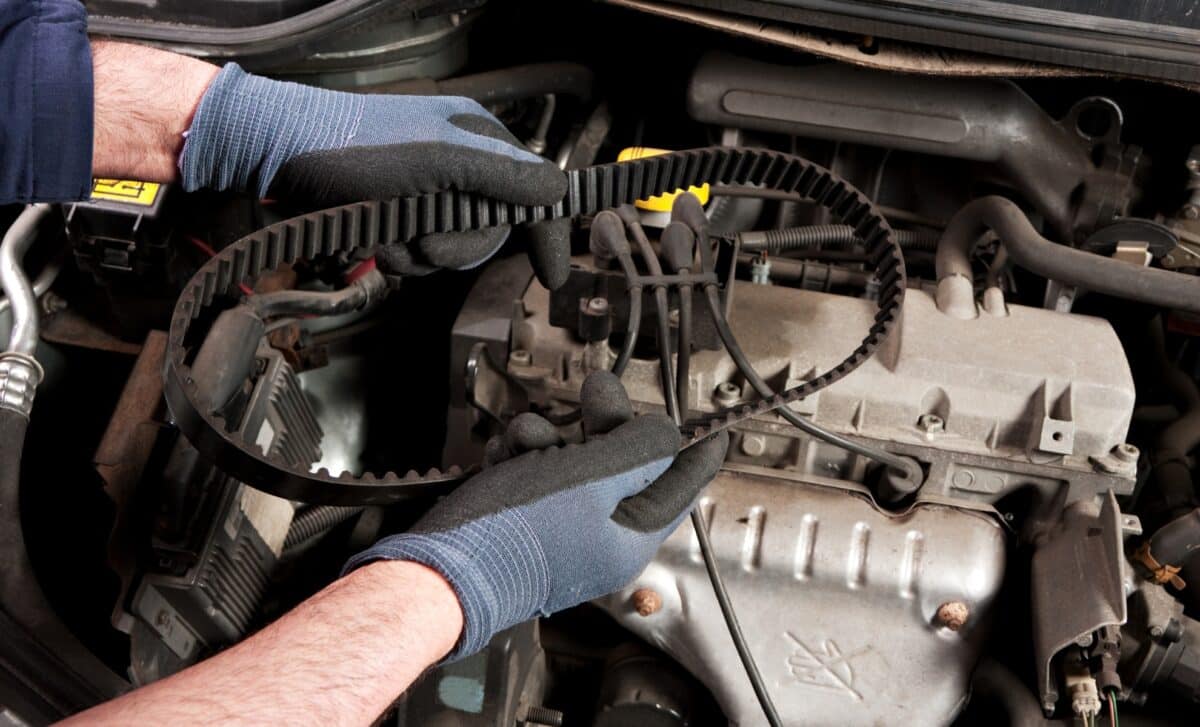
Hidden behind protective covers in many vehicles, the timing belt often receives little attention until symptoms appear. Its condition, though, directly affects the synchronization of engine components and overall engine operation.
Several quick checks can help identify visible wear or abnormal operation before a breakdown occurs. These checks do not replace scheduled maintenance but may reveal issues that require professional attention.
Simple Checks That Can Reveal Early Timing Belt Wear
A basic inspection starts with the engine turned off. Open the hood and visually inspect the timing belt, paying attention to signs of wear or cracks in the rubber. If damage is visible, replacement is recommended.
With the engine running, another observation method involves monitoring whether the belt stays correctly aligned while rotating. Any visible movement out of position may indicate that adjustment is needed.
Listening can also provide useful information. As reported by Auto Journal, unusual sounds or friction noises around the timing belt area may indicate abnormal operation. If no irregular sounds or movement are noticed, routine monitoring can continue until the next inspection.

A Timing Belt Generally Follows a Replacement Schedule
Timing belts are designed with a limited service life. Replacement is generally recommended every five years or after approximately 160,000 kilometers.
These intervals are not identical for every vehicle. Replacement timing may vary depending on the model and driving conditions.
Proper maintenance is presented as one of the ways to extend belt lifespan. This includes checking belt tension, since poor alignment may increase wear and potentially affect the engine.
Replacement Costs Remain Lower than Engine Repair Bills
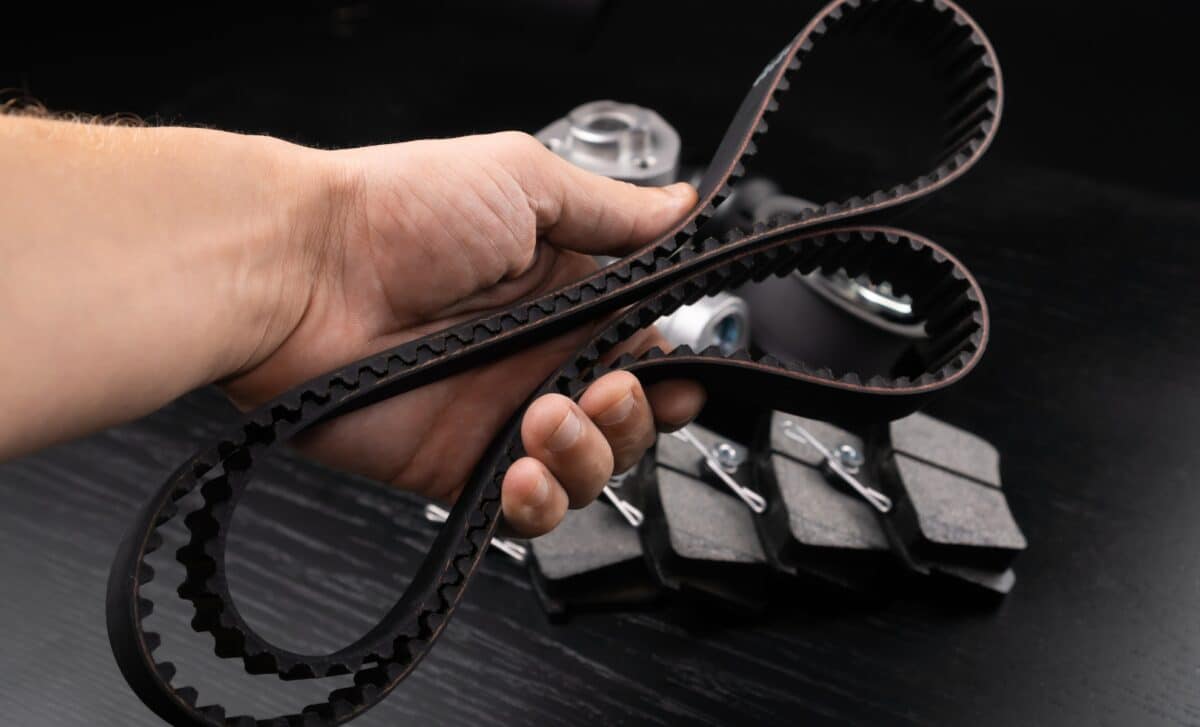
Changing a timing belt is considered a technical operation. The source advises against attempting the replacement without advanced mechanical skills and recommends using a garage or qualified professional.
Replacement costs generally range from about $285 to $910, depending on the vehicle model and service provider.
If the timing belt breaks, connected engine components stop operating in sync. This situation can lead to major engine damage and significantly higher repair expenses than preventive replacement.