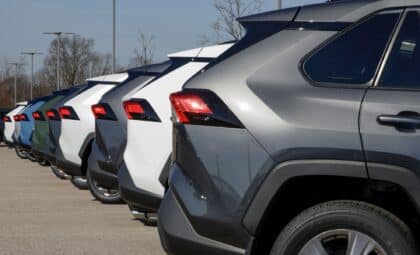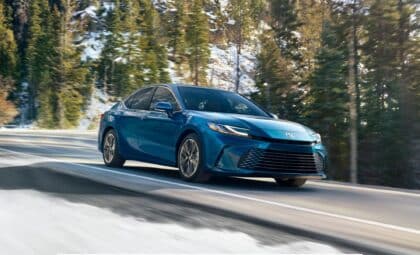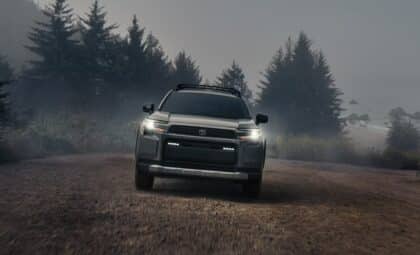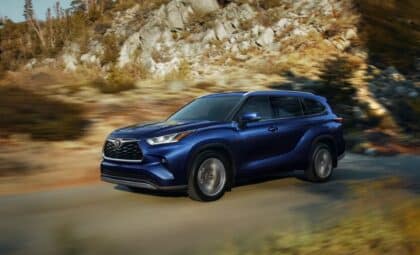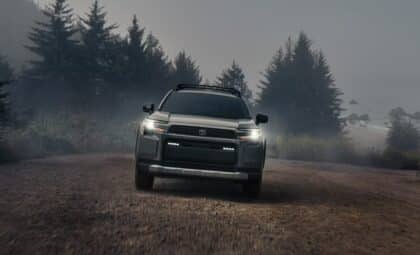
Toyota remains the world’s best-selling automaker for the sixth consecutive year, despite electric vehicles playing only a limited role in its overall sales performance. While the Japanese manufacturer has introduced newer electric models such as the C-HR, Urban Cruiser, and Highlander, its transition toward full electrification has been more gradual than that of many competitors.
The debate surrounding the future of transportation remains central to Toyota’s strategy. The company has repeatedly argued that a variety of technologies will be necessary to meet different market needs, particularly in regions where charging infrastructure remains limited.
Akio Toyoda Says the Industry’s Move Toward EVs Is His Biggest Concern
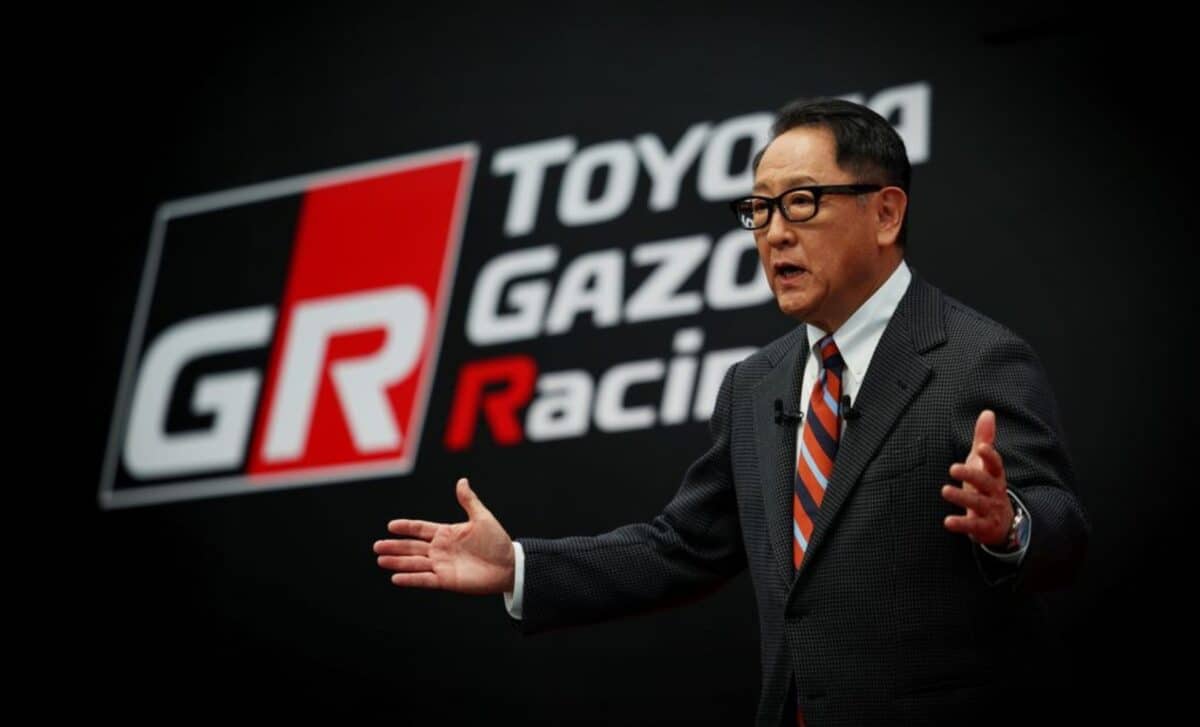
In an interview conducted by Carwow, Akio Toyoda said he feels increasingly isolated in his public defense of combustion-powered vehicles.
“Everybody is shifting to EVs, this is the biggest fear for me,” Toyoda said. “Three or four years ago, I was the only one to say to the media that I love smell, I love sound and I love engines, and I want to keep the jobs for engine suppliers.” He added that his position now appears to be increasingly uncommon within the industry. “But it seems to me that I’m the only one. I feel very alone,” Toyoda said.
Toyoda has repeatedly questioned the idea that electric vehicles will completely dominate the global market. In early 2024, he stated that EVs would never account for more than 30 percent of worldwide vehicle sales. He has also argued that many regions still depend on gasoline-powered vehicles because charging infrastructure remains underdeveloped.
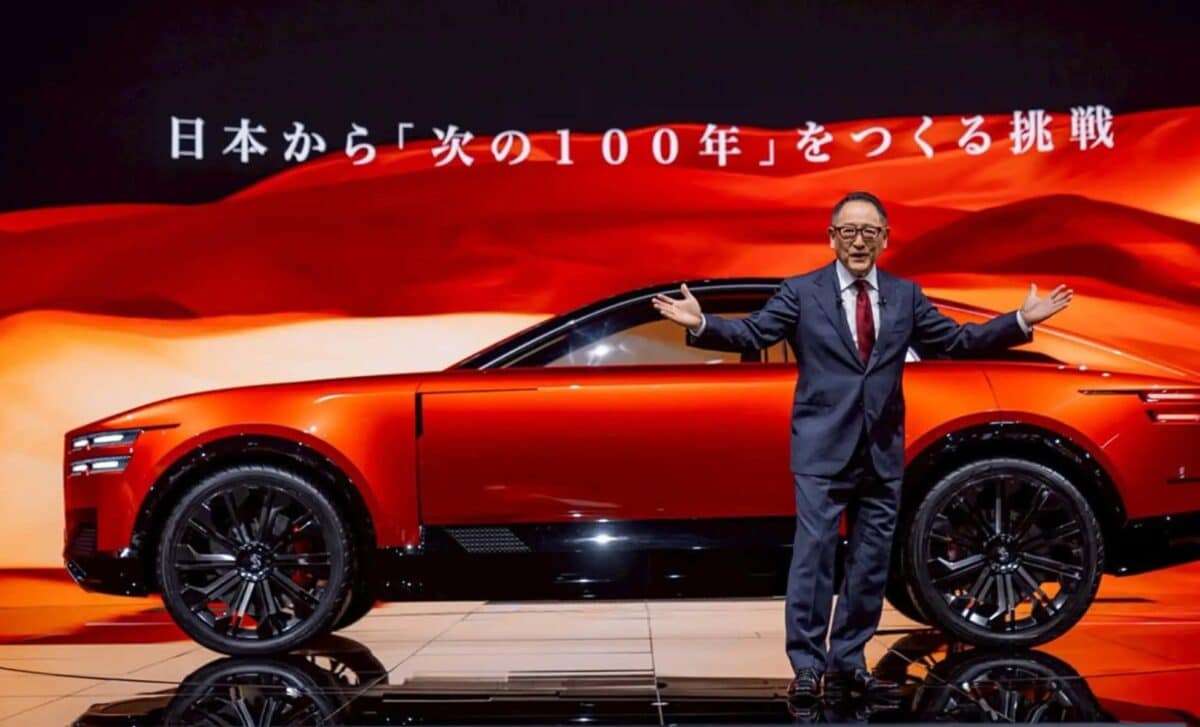
Toyota Continues to Defend Hybrids and Questions Simplified Emissions Comparisons
Toyota’s cautious approach to electrification contrasts with the rapid expansion of EV programs at many competing manufacturers. The company became a pioneer of hybrid technology with the launch of the Prius in the late 1990s and continues to place significant emphasis on hybrid vehicles.
Toyoda estimated last year that the 27 million hybrids sold by Toyota up to that point had a carbon footprint comparable to that of nine million electric vehicles when battery and vehicle manufacturing were taken into account.
The report notes that Toyoda’s calculation was based on a scenario in which all electric vehicles were produced in Japan, where thermal power plants contribute significantly to electricity generation. Under those assumptions, he argued that one electric vehicle could have an environmental impact similar to three hybrids.
The issue is more complex in practice, with numerous factors affecting the environmental footprint of both electric and hybrid vehicles.
Toyota Expands EV Offerings While Continuing Combustion-Engine Development
Although Toyota has increased its focus on electric vehicles through new product launches, the company continues to invest heavily in combustion-engine technology.
Through its Gazoo Racing division, Toyota is developing a new turbocharged 2.0-liter four-cylinder engine intended for future GR-branded models. The engine is expected to feature in products including the anticipated return of the Celica.
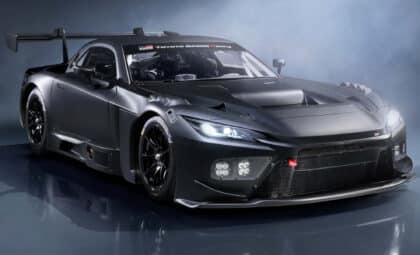
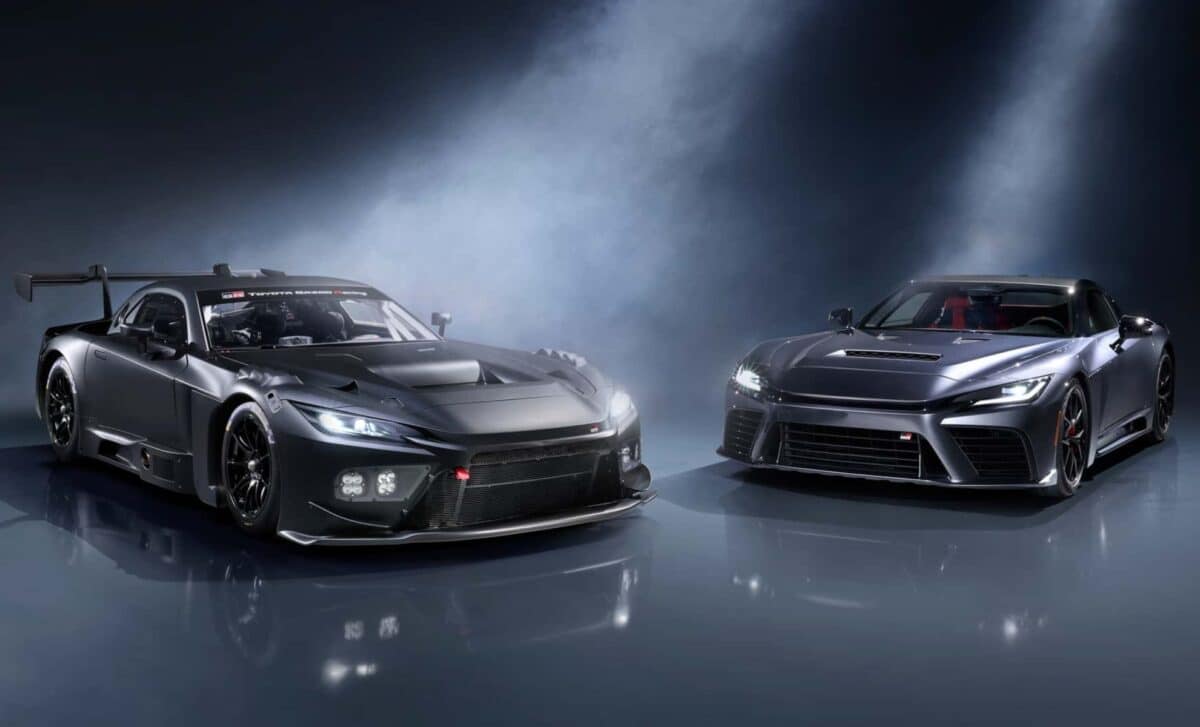
The company has also developed a new V8 engine for the GR GT hybrid supercar, with the possibility that it could be used in additional models.
Alongside conventional engine development, Toyota is pursuing alternative approaches designed to reduce emissions while extending the life of internal combustion technology. In recent years, the manufacturer has tested hydrogen-powered combustion engines and explored the use of carbon-neutral fuels.
Its latest project is the TR LH2 Racing vehicle, which is scheduled to be showcased during the 24 Hours of Le Mans.
The broader market continues to move toward electrification. According to data from the European Automobile Manufacturers’ Association, battery-electric vehicles accounted for 20.9 percent of registrations across the European Union, the United Kingdom, Iceland, Liechtenstein, Norway and Switzerland during the first four months of the year. The same data showed that roughly one in five newly registered vehicles in those markets did not have a gasoline engine.