Speaking at the New York auto show, Volkswagen of America CEO Kjell Gruner emphasized that certain vehicles carry symbolic weight for the brand. He stated that sedans and hatchbacks are “always going to be there,” underscoring their lasting role in the company’s lineup.
The statement comes as Volkswagen’s U.S. portfolio has narrowed significantly over the past decade. While models like the Passat, Arteon, and Beetle have been discontinued, the brand now relies heavily on SUVs, with only a few car-based models remaining.
SUVs Dominate Sales, But Cars Retain A Defined Role
Volkswagen sold 329,813 vehicles in the United States last year, with SUVs accounting for 78 percent of that total. According to Car and Driver, this reflects a broader market trend where utility vehicles continue to outperform traditional passenger cars.
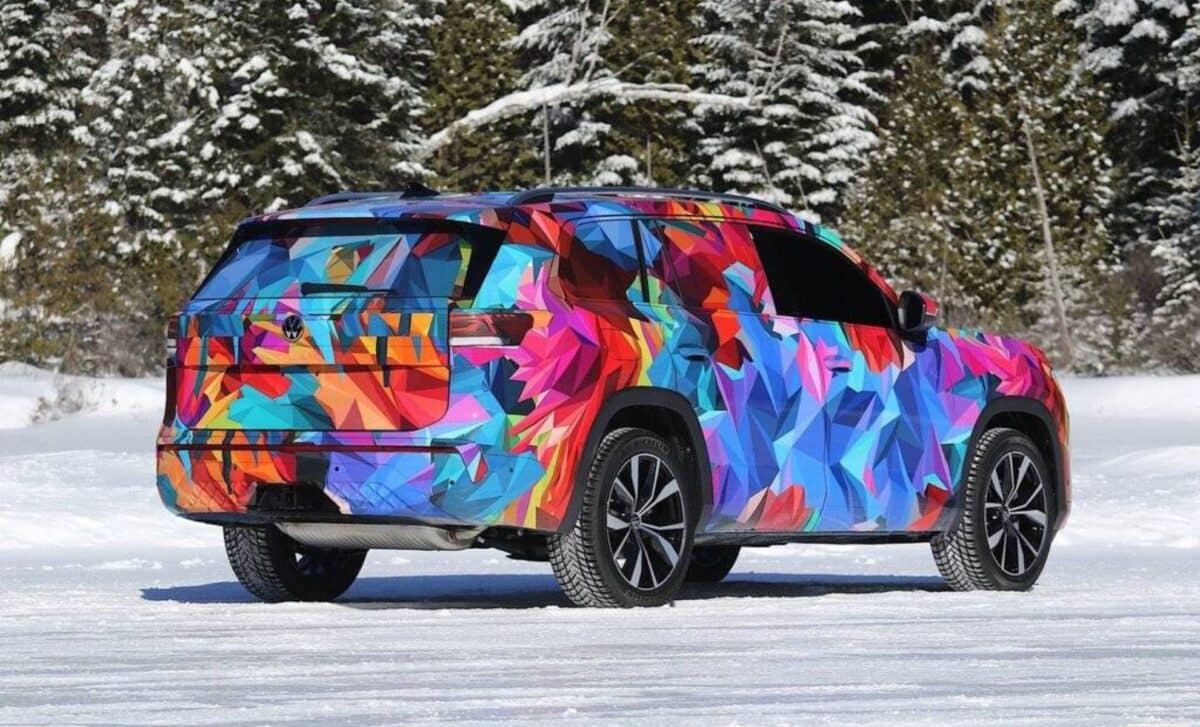
At the same New York auto show, Volkswagen introduced the new 2027 Atlas, a second-generation version of its three-row SUV and one of its top-selling models. The Atlas ranked as the brand’s second-best seller in the U.S., reinforcing the company’s reliance on SUVs for volume.
Still, Gruner made it clear that success is not measured solely by numbers. He noted that “you can’t measure success and importance just alone by volume,” highlighting that different vehicle types serve different purposes within the brand.
Golf Gti And Golf R Remain Brand “Heartbeat”
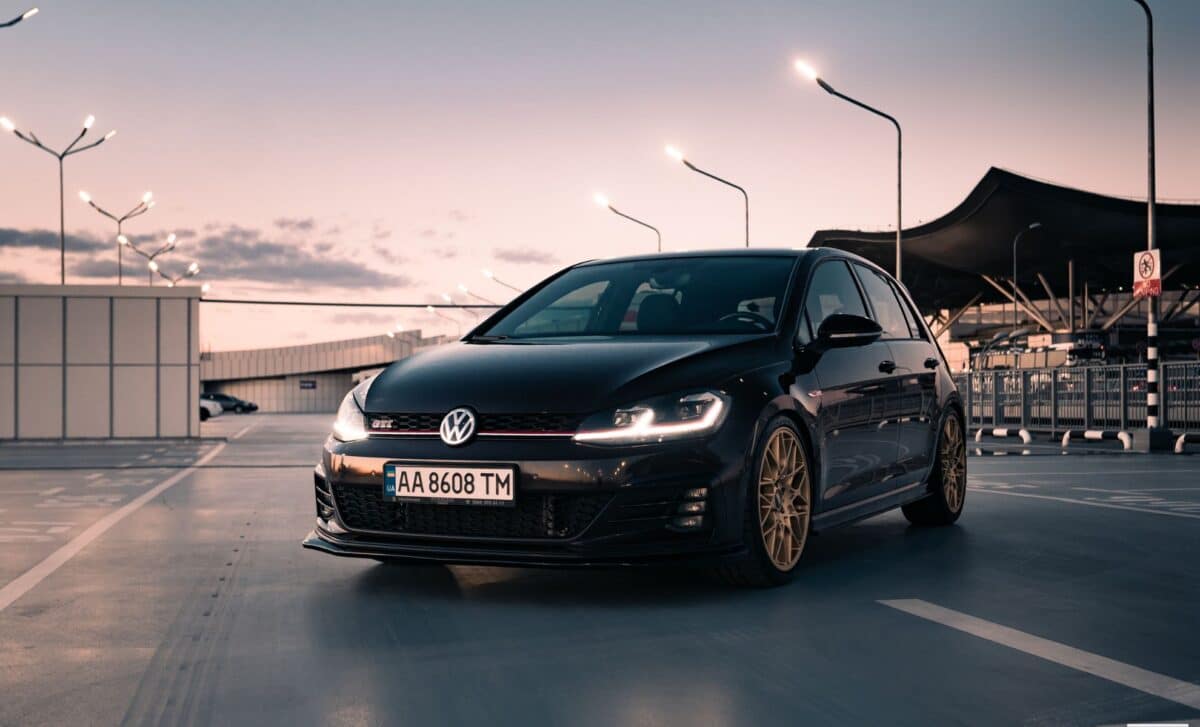
Volkswagen continues to position the Golf GTI and Golf R as symbolic models. Gruner described them as the company’s “heartbeat,” pointing to their importance in shaping brand identity and connecting with enthusiasts.
Despite relatively modest sales—10,554 units combined in the U.S. last year—these performance hatchbacks hold a distinct place in Volkswagen’s lineup. Their value lies in what Gruner called the “smiles-per-mile perspective,” rather than raw sales performance.
He also referred to them as “brand icons” and “brand shapers,” placing them alongside the ID.Buzz, which serves a different but still meaningful role in representing Volkswagen’s image.
Jetta Maintains Steady Demand Among Non-suv Buyers
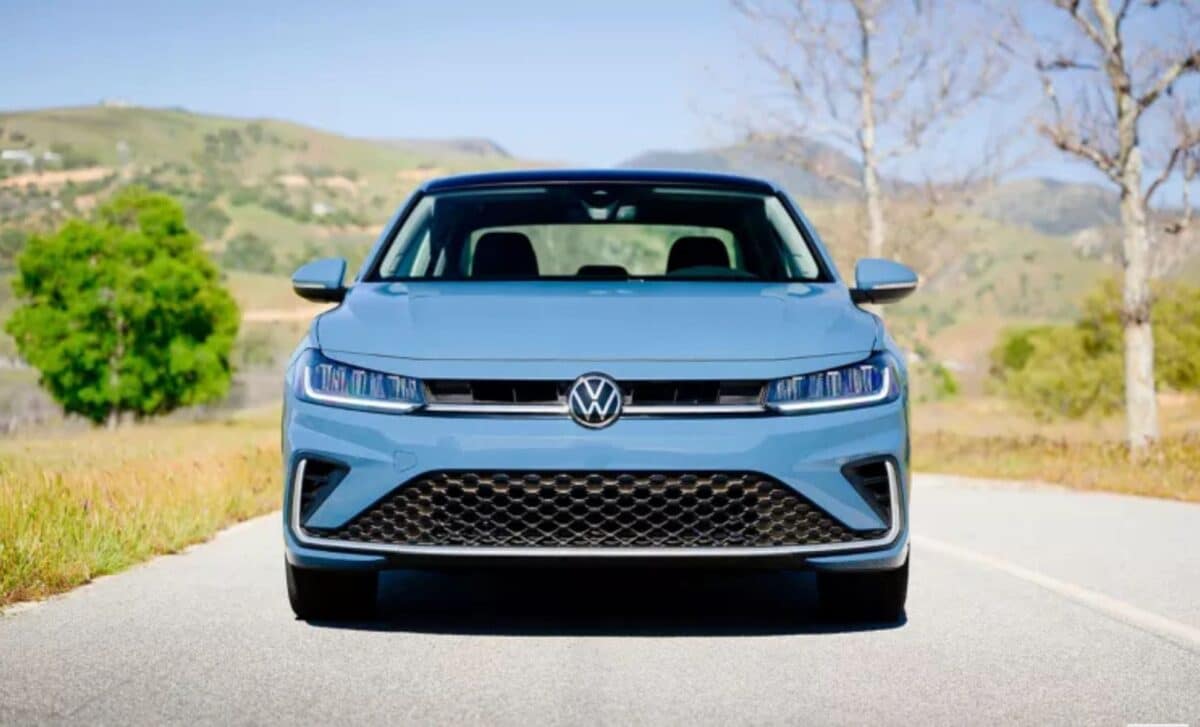
The Jetta sedan continues to perform as Volkswagen’s third-best-selling model in the U.S., with 54,291 units sold last year. While it does not match the sales figures of leading competitors from Toyota and Honda, it remains a stable presence in the lineup.
Gruner explained that the Jetta appeals to a specific group of customers. He described buyers as those who “don’t want the SUV,” prefer better fuel economy, and do not require all-wheel drive.
He stressed that Volkswagen does not intend to become an SUV-only brand. “You can’t just do SUVs. At least we can’t. We don’t want to,” he said, adding that compact cars offer qualities that SUVs cannot replicate.
Volkswagen is not expected to expand its car lineup in the near future, but the company’s leadership has made clear that the Jetta, along with the Golf GTI and Golf R, will remain part of its strategy.