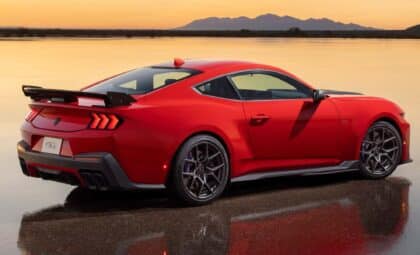

Ford’s Mustang recorded a sharp year-over-year sales increase in the first quarter of 2026, reaching 14,074 units. That marks a 50.1% rise compared with 9,377 vehicles sold during the same period in 2025, at a time when the broader segment shows uneven performance.
The figures come as the traditional sports coupe and convertible category faces mounting pressure from market shifts. Rising fuel prices, tariffs, and the gradual disappearance of electric vehicle incentives are complicating the landscape, yet the Mustang appears to be resisting that trend.
A Segment Increasingly Shaped By One Model
According to The Drive, the Mustang accounted for 61.0% of mainstream sports car sales in Q1 2026, up from 44.9% a year earlier. The segment itself reached 23,060 total sales, reflecting a 10.3% increase year over year.
This growth, however, appears closely tied to the Mustang’s performance rather than a broad-based recovery. The departure of models such as the Chevrolet Camaro, Dodge Challenger, and Toyota Supra has reduced the number of active competitors, narrowing the field considerably.
Ford’s results suggest that the Mustang is not just benefiting from the segment’s dynamics but actively sustaining it. Without its contribution, overall growth figures would likely look very different.
Competitors Post Declines Or Limited Volumes
Sales data across rival models underscores the gap. The Toyota GR 86, which ranked second in Q1, recorded 2,046 units sold, down 26.3% from the previous year.
Other models also trailed behind. The Dodge Charger posted 1,775 sales, a decline of 8.8%, while the Nissan Z saw a steeper drop of 58.3%. The Honda Prelude, still in its early rollout phase, reached 795 units during the quarter.
Meanwhile, only a handful of discontinued vehicles were sold, including three Chevrolet Camaros and 45 Dodge Challengers. These figures illustrate how much the competitive landscape has thinned, particularly for traditional muscle cars.
Outselling Even Higher-priced Sports Cars
The Mustang’s Q1 total also exceeded the combined sales of two higher-end models. The Chevrolet Corvette recorded 6,235 units, while the Porsche 911 reached 4,256.
No other mainstream sports car came close to matching those premium models, making the Mustang’s position unusual within the market. It remains the only vehicle in its category translating comparatively lower pricing into significantly higher sales volumes.
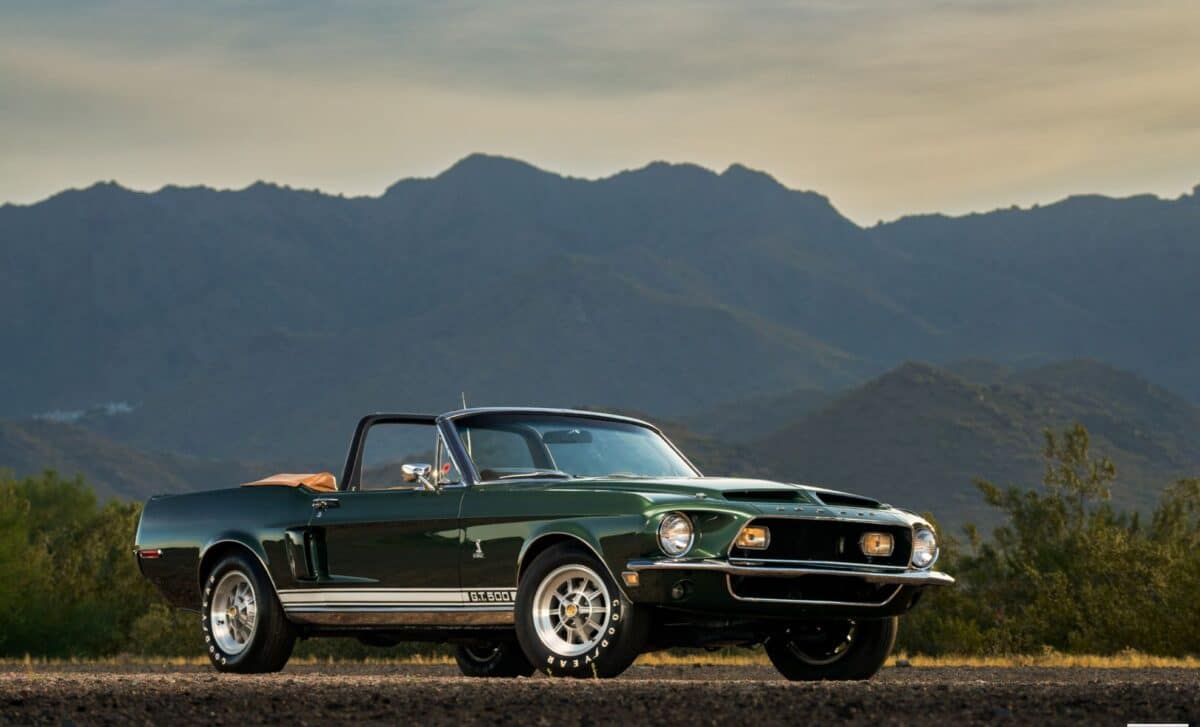
Within Ford’s lineup, the Mustang continues to stand apart as the brand’s last traditional car in the United States. Its current performance reinforces its role, not only as a legacy nameplate but as a key contributor to a segment that is otherwise contracting.