
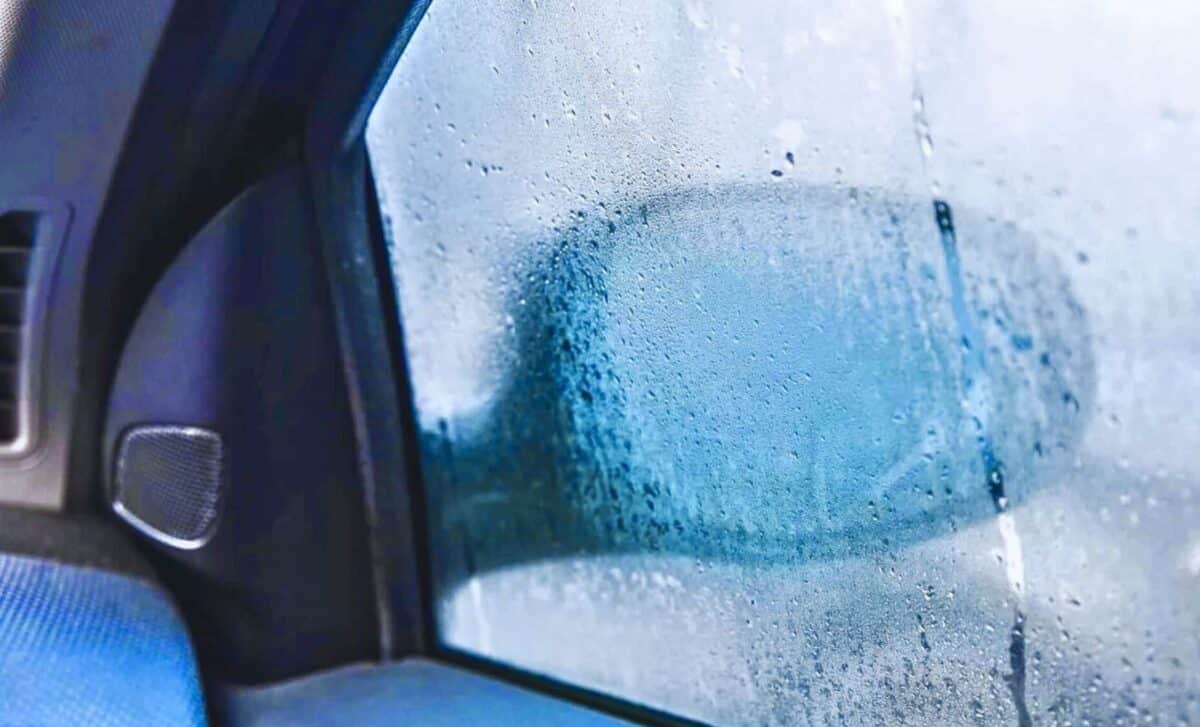
Winter mornings bring more than just icy roads and slow starts. For many drivers, the real challenge is the opaque layer of condensation inside the windshield—a recurring problem that delays commutes and reduces visibility, sometimes significantly.
This fogging issue, often brushed off as seasonal inconvenience, is now prompting new warnings from motoring experts. The unexpected culprit? Everyday items inside your vehicle—particularly damp floor mats.
The Royal Automobile Club (RAC) recently issued a statement urging drivers to remove wet clothing, umbrellas, and soaked mats from their vehicles to curb in-cabin humidity, a direct cause of foggy car windows. That moisture, once trapped, doesn’t just disappear. It collects on the glass, especially when temperatures drop overnight.

This seemingly small oversight reflects a larger problem in how drivers handle basic winter car maintenance—and why ignoring it could lead to more than just a fogged-up drive.
When Fog on the Windshield Points to Bigger Problems
Humidity inside the cabin builds when moisture has nowhere to escape. Once the interior heats up, water vapor condenses on the cold glass, resulting in misty windows and obstructed views. The RAC explains that this is usually caused by wet items left inside the vehicle—including soaked floor mats, which steadily release moisture into the air.
These conditions become more extreme during colder months, when thermal differences between the car’s interior and exterior are sharper. The RAC notes this issue affects a wide range of drivers and becomes especially problematic during early morning commutes.
In an advisory featured by Wales Online, the RAC clarified that “windscreen misting happens when moisture in the air inside your vehicle condenses on the cooler surface of the glass.” The problem, they add, worsens with poor ventilation or malfunctioning air conditioning.

While visibility issues may seem trivial, the legal stakes are real. In the UK, operating a vehicle without a clear view through all windows can lead to fines or penalties. If condensation impairs vision and leads to a collision, an insurer could potentially classify it as negligence—jeopardizing a claim.
Drivers and Mechanics Are Sounding the Alarm
Across online forums, the conversation is intensifying. A popular Reddit thread in r/MechanicAdvice featured a Jetta owner frustrated by persistent windshield fog, asking why no other cars in the same parking lot had the same issue. The replies revealed patterns: blocked drains, recirculated air modes, and wet items hidden in the vehicle were all cited as common causes.
One user pointed to wet cloth floor mats and another mentioned the build-up of e-cigarette vapor as a coating that attracts moisture to windows. A third highlighted sunroof drain blockages, noting that these can quietly allow water to pool under carpets or in the trunk.

Other tips included checking if the blower settings were set to fresh air intake (not recirculation), keeping the A/C running to dry the air even in cold weather, and inspecting for leaks around doors and windows.
These grassroots insights match official advice from the RAC: eliminating trapped humidity begins with removing the moisture source, not just treating the symptom with a defroster.
Low-Cost Fixes for a High-Impact Issue
This is one of the rare automotive issues where the remedy is both inexpensive and immediate. Experts recommend:
- Removing all damp items from the vehicle, especially cloth floor mats
- Running the heater and A/C together with air intake set to fresh
- Placing moisture absorbers (like silica gel packs or cat litter in a sock) in the cabin
- Inspecting and clearing sunroof and door drains
- Avoiding air recirculation mode in winter
The RAC emphasizes that wet mats and upholstery are frequently the main contributors to elevated cabin humidity. Letting these items dry inside the car—even overnight—is enough to cause repeated windshield fogging. In colder climates, that fog can quickly turn to interior frost, compounding the problem.
For cars with more advanced HVAC systems, keeping air circulation settings in check is just as important as physical maintenance. Some newer models default to energy-saving modes that restrict airflow, unintentionally sealing in moisture.
Why Vehicle Design Is Making the Problem Worse
Modern cars are built for silence and insulation. That’s great for noise reduction, but it also means less natural airflow and more trapped humidity. Combined with tighter cabin seals and automatic climate controls, newer vehicles are especially prone to this winter condensation issue.
This design evolution introduces a subtle maintenance challenge. Many drivers assume that pressing the “defrost” button resolves the issue—but without airflow and moisture control, the fog returns. And when it does, it may signal something deeper: a blocked drainage path, leaking seals, or neglected filters.
The problem isn’t just about comfort or even visibility. Persistent in-car humidity can lead to mold, damage to electronics, and eventual deterioration of upholstery and insulation materials. In older vehicles, moisture accumulation in the cabin may corrode connectors or short-circuit sensitive components, including the fuse box or accelerator sensors.
Ultimately, this is not just a seasonal nuisance—it’s a maintenance blind spot hiding in plain sight.