
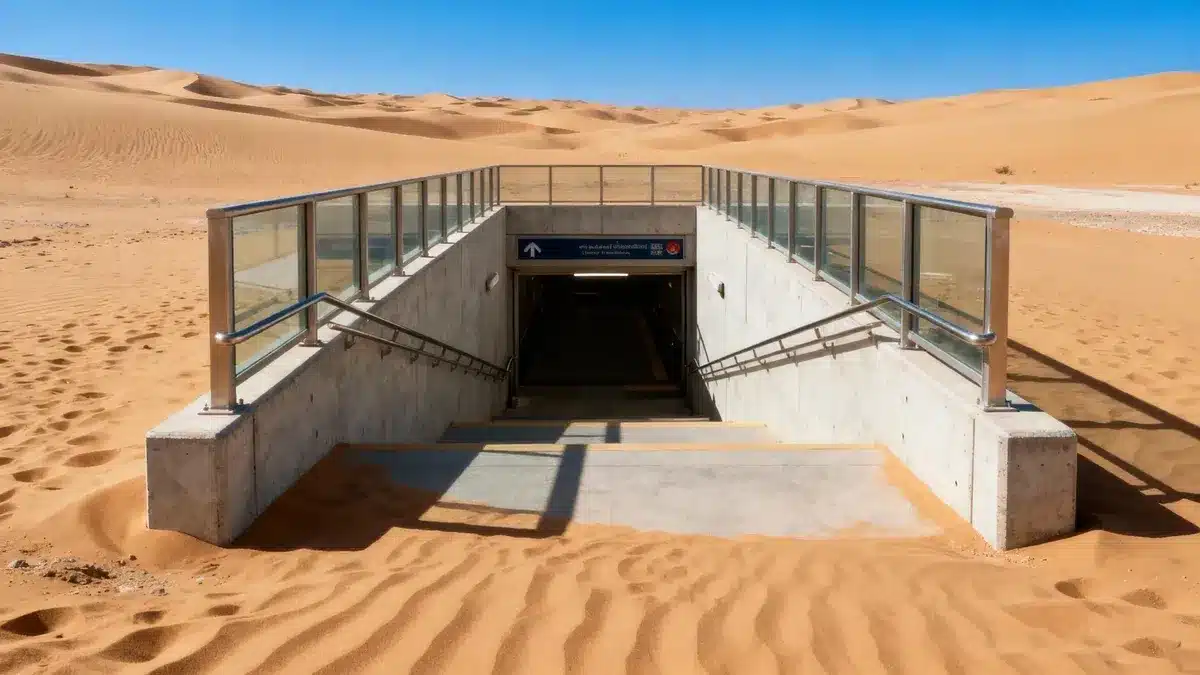
Imagine putting subway stations out in the middle of nowhere and betting that people and development will eventually show up. That’s exactly what China started doing in 2008, an infrastructure-first play that runs counter to the usual Western way of building cities.
China went with an “Infrastructure First, Population After” mindset. The idea: build transit ahead of time so the presence of a metro line helps spark real estate appreciation and turns empty lots into thriving neighborhoods over 10 to 20 years. It’s a long game meant to make stations the backbone of future urban growth, with payoffs in property values and city integration down the road.
How They Built Tomorrow: A Timeline
China’s long-term planning shows up in big numbers and decisive moves. Since 2002, Beijing alone has put more than $150 billion into its metro network, which now stretches over 540 miles. The 2008 Beijing Olympic Games sped up that work, with about $40 billion poured into transit networks around the event.
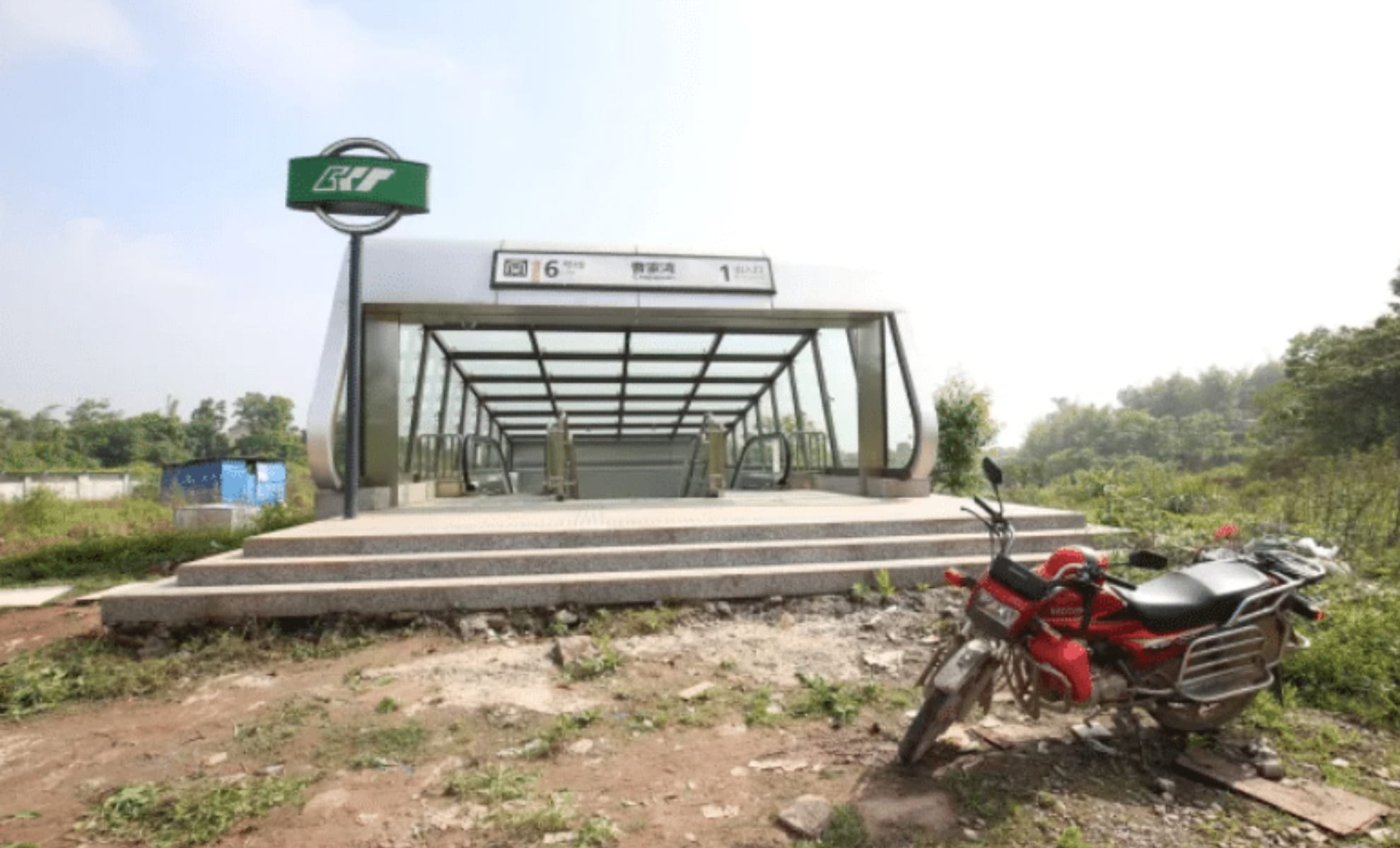
One striking example is Caojiawan Station in Chongqing’s Beibei district. Opened in October 2015, it began with three entrances rising out of a barren landscape-no roads, no shops, no residents. Photos of the empty station went viral in 2017, feeding criticism and skepticism. By 2020, though, the area around Caojiawan had come to life and the metro station became part of a functioning neighborhood, showing how the planned waiting period played out in roughly five years.
Change – And the Challenges That Came With It
The rapid metro buildout brought wins but also real headaches. Lanzhou New Area, planned with a $14 billion investment to host 1,000,000 residents by 2030, faced heavy criticism in 2016 when it had only 150,000 residents and 40,000 workers. International media labelled it a “ghost city,” a place waiting for population to catch up with the infrastructure layer.
Other cities ran into serious issues too. Shenzhen-the second most-used metro system after Shanghai-has struggled with daily losses of about $14 million. Zhengzhou’s transit system revealed major design flaws during a flood in 2021. Those operational and financial pressures sit alongside a larger number: 28 municipal metro companies together carry roughly $614 billion in debt.
To rein in overreach, Beijing changed course in 2018, barring cities with fewer than 3 million people from starting new metro projects. The policy aimed to slow down construction excess and steer planning toward more sustainable choices.
Looking Ahead
As 2025 arrives, the strategy of building subways before neighborhoods shows mixed but revealing results. Successful cases like Caojiawan argue that urban growth can follow pre-built infrastructure-if the surrounding conditions for development are nurtured.
China’s drive to “master the art of building tomorrow today” forces a closer look at balancing big ambitions with sustainable practices. The story praises long-range thinking, but it also warns about uneven growth models and underlines the importance of considering the passenger’s experience from the start.
With the world watching, the main takeaway is this: pace infrastructure projects so they match future growth, make careful choices that blend vision with good design, and keep plans financially realistic if you want those visions to become real.