

Today, speed and convenience often win out over getting hands-on with tricky skills. But is there value in wrestling with something a bit harder? Looking back on personal experiences and what psychologists say, learning to drive a manual transmission turns out to be a real workout for problem-solving skills that carry over well beyond the driver’s seat. This piece explains why mastering a stick shift gives you surprising cognitive perks and why it can be worth more than pure convenience.
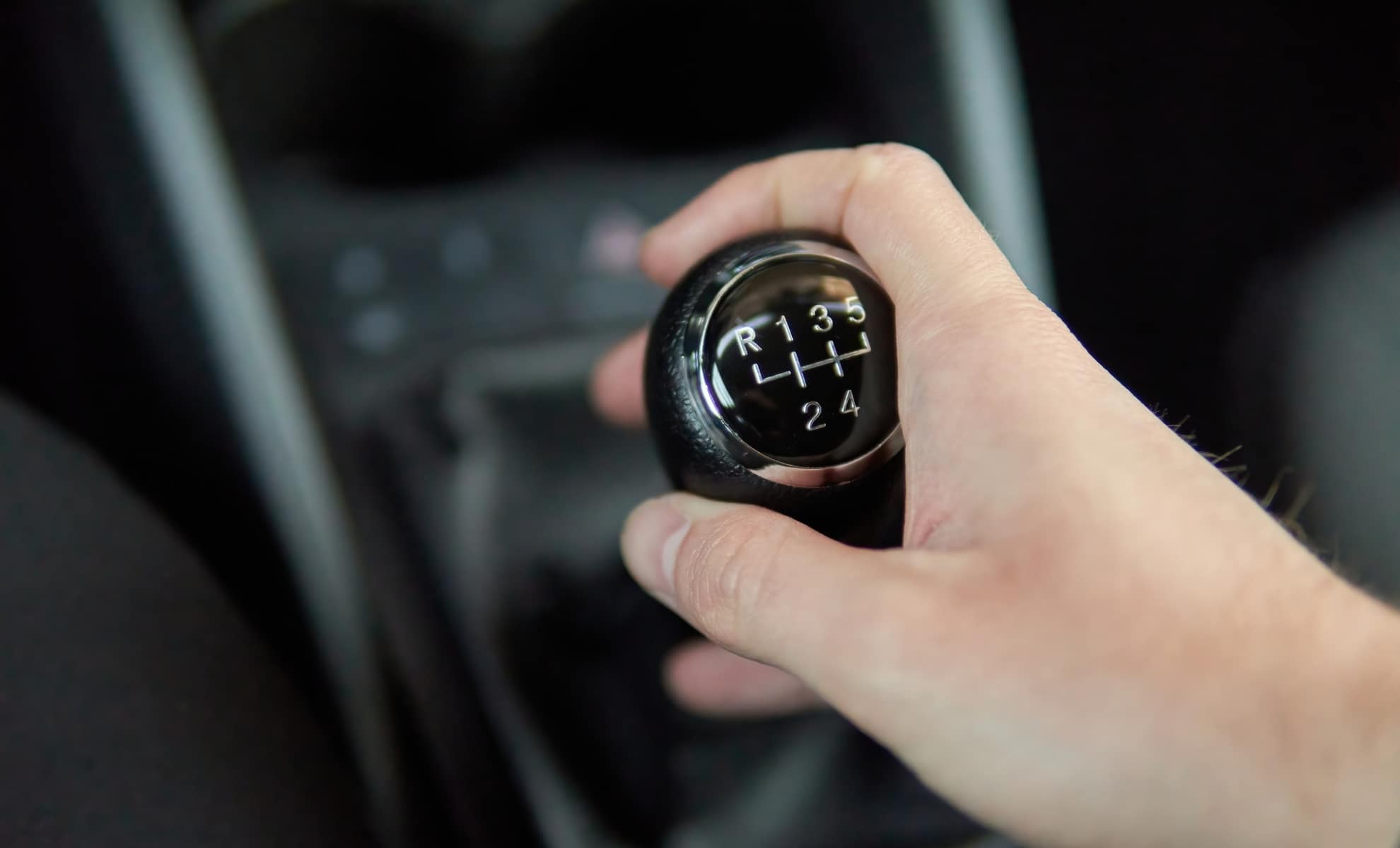
How Learning a Manual Works
Learning to drive a manual car isn’t a walk in the park. I remember the 1992 Honda Civic like it was a patient teacher. Most beginners know the drill: you stall the engine a lot. I stalled it for the “fifteenth time” in an empty parking lot while my dad sat beside me, encouraging me to try again. That Civic, with a clutch that needed “just the right touch” and a gear shift that “stuck between second and third“, was more than transportation. It was a classroom on wheels.
Coordination and Multitasking
Manual driving forces you to coordinate a bunch of things at once: left foot on the clutch, right foot on gas and brake, one hand on the wheel, the other shifting gears, all while checking mirrors and watching for pedestrians.
People liken it to “solving a Rubik’s cube while juggling“, a complex task that, when you’re exposed to it early, trains the brain to tackle puzzles instead of backing away. That kind of complexity builds important problem-solving skills that go beyond just driving.
What It Does for Your Brain
Psychologists and researchers point to real cognitive benefits from driving a manual. The process is tied to developing what some call “enhanced peripheral processing“, a sharper sense of what’s going on around you. That kind of awareness helps you anticipate traffic patterns, similar to spotting subtle shifts in the tone of a meeting.
Persistence and Understanding Cause-and-Effect
Research also highlights frustration tolerance. Grinding gears while parallel parking or restarting an engine at a red light while cars honk behind you teaches persistence, manual drivers often push through public embarrassment to get better. That’s a different response than someone who learned on an automatic and might give up more quickly when challenged.
Learning a manual also gives you a clearer grasp of cause and effect. Immediate feedback, like stalling the engine for releasing the clutch too fast or getting odd revving sounds when shifting wrong, builds what some call “mechanical empathy.” That feeling for how things respond helps you root out problems, a useful skill when you’re solving complex issues.
How It Helps Off the Road
The mental load of manual driving improves divided attention. While many automatic drivers focus mostly on steering and traffic, manual drivers are juggling several tasks at once. That translates to better handling of multiple projects at work or balancing home life, cooking dinner while helping with homework and keeping a conversation going.
Choosing Mastery Over Convenience
Cognitive scientists also say manual drivers tend to have stronger motor planning, think a few moves ahead like in chess. You plan steps in advance: downshift before a corner, judge speed for a smooth acceleration. Those planning skills mirror broader problem-solving, from managing projects to personal growth.
The idea scales to a general preference for mastery over taking the easy route. Choosing to learn a manual transmission, or starting a new language at age 61 without leaning on translation apps, is an example of valuing skill development. My dad quipped, “Once you master this, everything else will feel easy.”
That “stick shift mentality” stands for choosing growth over ease. The tactile feel of the clutch pedal and the rhythm of shifting gears are where mastery lives. So when someone asks why pick the harder path, just smile. As the saying goes, “sometimes the clutch pedal is the path to wisdom,” a reminder that wrestling with complexity often brings the richest rewards.
In a world that prizes speed and simplicity, embracing the challenge of manual driving helps build a mindset that’s ready for change. It teaches you to enjoy the learning process as much as reaching the goal, turning everyday hassles into chances for personal and cognitive growth.