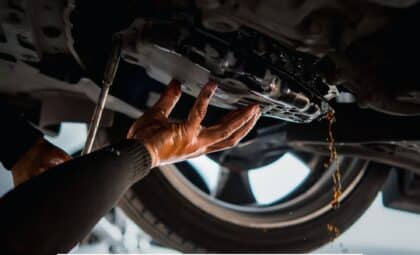


Modern engines are finely tuned machines designed to handle thousands of internal explosions every minute with impressive smoothness. The slight vibration you feel is usually the result of natural imbalance between rotating and reciprocating parts like pistons, rods, and the flywheel. But when those small shakes turn into noticeable judders, especially at idle, high RPMs, or under acceleration, it’s time to pay attention. Diagnosing engine vibration is mostly about recognizing patterns: when and how it happens can tell you what’s failing.
Some causes are minor and fixable at home. Others require a shop visit, and a few demand immediate attention. Here are the most common reasons engines vibrate, and what can be done about them.
Misfires, Vacuum Leaks, and Injector Problems
One of the most common triggers for engine vibration is a cylinder misfire, where one or more pistons fail to fire properly during the combustion cycle. This is often compared to walking with one foot asleep, annoying, but still possible. Misfires can also lead to lower fuel economy and even damage your catalytic converter by dumping unburned fuel into the system. In most cases, misfires come from issues with the fuel mixture or spark timing.

Vacuum leaks are another frequent culprit. Modern engines rely on a precise 14.7:1 air-to-fuel ratio, and a leak anywhere between the airflow sensor and the intake valves can throw this balance off. These leaks usually occur in places like the intake manifold, throttle body, or vacuum hoses. A check engine light will often point you in the right direction, and in some cases, a fine mist of water can help locate the source by producing a distinctive suction sound.
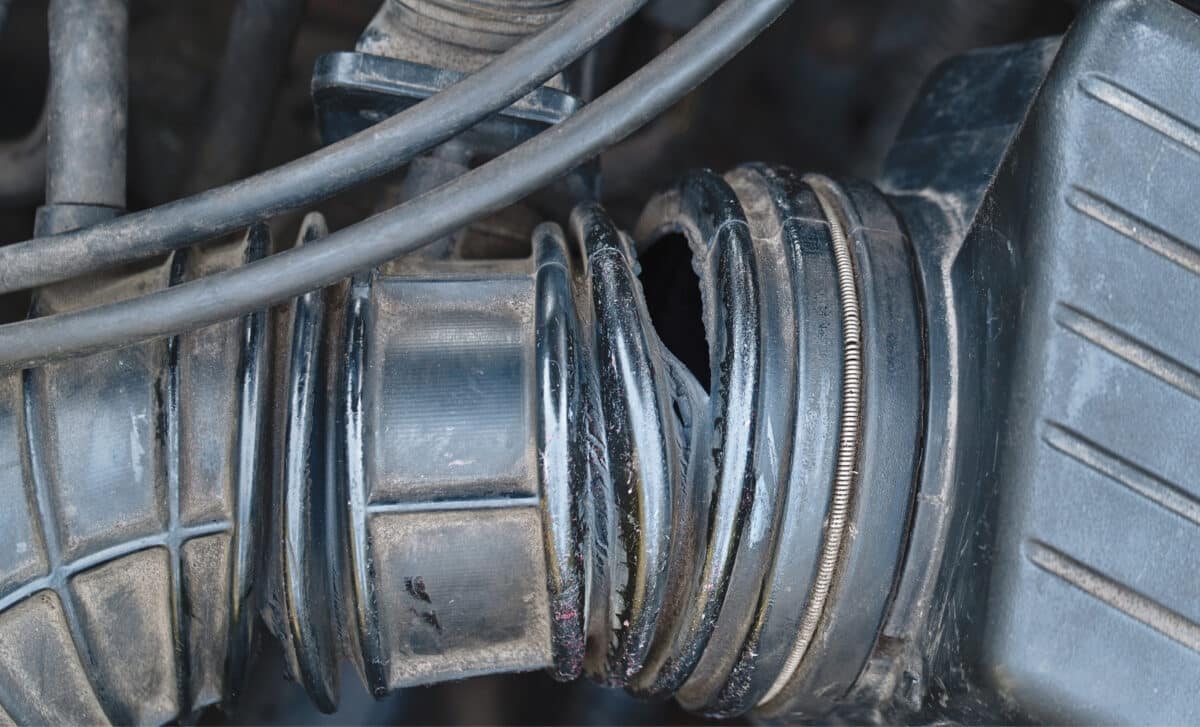
Fuel injector issues round out this trio. A clogged or faulty injector can cause uneven fuel delivery, leading to a shaky idle or hesitation during acceleration. Jalopnik notes that while injector cleaner can sometimes help, persistent problems will likely require mechanical attention. Poor fuel quality and carbon buildup are common causes, and failing to address them can lead to long-term engine performance issues.
Engine Mounts and Airflow Management
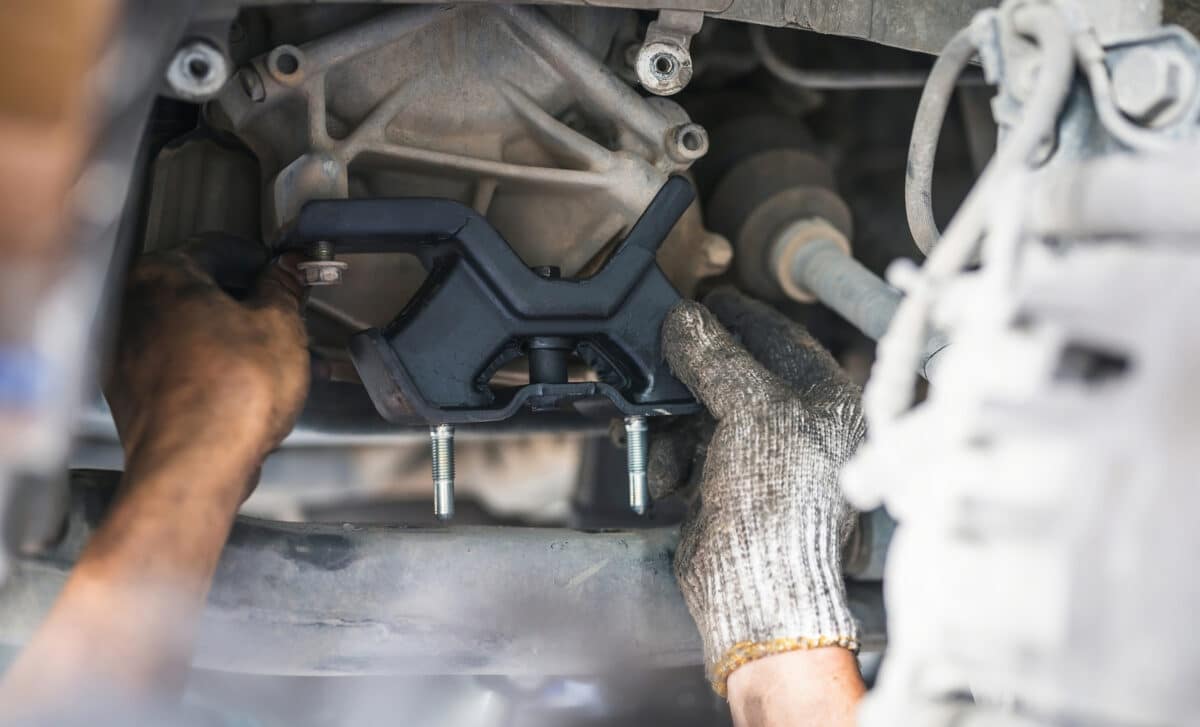
Sometimes the vibration isn’t from the engine’s operation, but from how it’s physically connected to the car. Broken or worn engine mounts allow movement that transfers directly into the cabin. A failing mount might cause the engine to shift or tilt during acceleration, braking, or cornering. Some mounts are just rubber cushions, while others use electronically controlled vacuum systems that adjust in real time.
Problems with airflow regulation can also lead to vibration, particularly at idle. A dirty or failing throttle body can disrupt the smooth delivery of air, especially when paired with a faulty idle air control valve. These components manage airflow at low engine speeds and help the car adapt to changes like the AC compressor engaging or power steering load. When they stop working properly, the result is often a rough idle or uneven acceleration. Cleaning the throttle body or replacing the idle valve usually solves the issue, assuming the cause is not more severe.
Timing Components and Rotating Parts
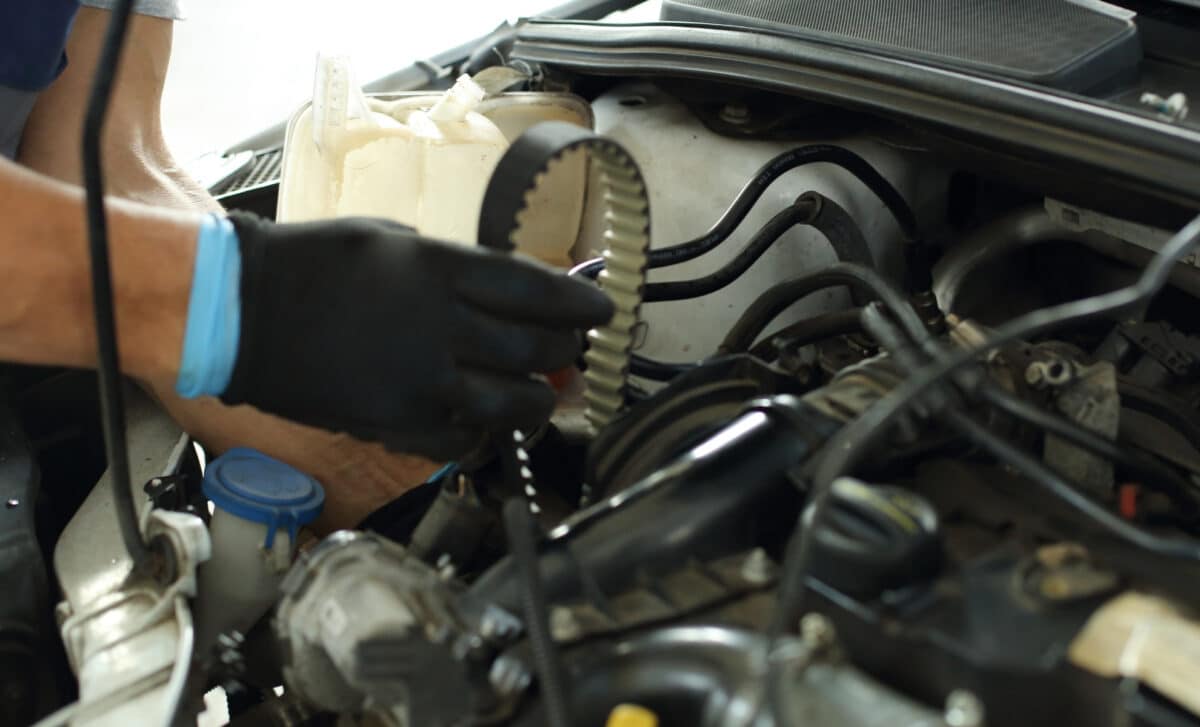
Timing belts and chains are responsible for keeping the engine’s internals moving in sync. If either one becomes worn, loose, or misaligned, the result can be a noticeable shake or misfire. Jalopnik reports that while timing chains can last for the life of the engine with proper maintenance, timing belts are wear items and need periodic replacement. Failure to maintain them can lead to serious internal engine damage, but the early warning signs often come in the form of vibration.
Another critical component is the harmonic balancer, which sits at the front of the crankshaft and absorbs engine vibration. When it fails, vibration increases immediately. The harmonic balancer consists of an inner hub and an outer ring separated by rubber. When that rubber degrades or breaks apart, the part stops doing its job. In some cases, this can lead to misaligned belts and additional mechanical issues. Replacement usually requires special tools and should be left to a professional.
Finally, problems in the accessory drive system, like a loose serpentine belt, worn idler pulley, or failing tensioner, can all create vibration. These components manage power delivery to accessories like the alternator and air conditioning. When something’s off, Jalopnik says you may hear noise or feel a tremble. In many cases, replacing the belt or adjusting a pulley is enough to restore normal operation.
When Shaking Becomes a Safety Concern
Not all vibrations are created equal. Some are minor irritants; others are warning signs. And a few are serious enough that you should stop driving immediately. Jalopnik points out that a flashing check engine light is one of the clearest signs of a critical issue. Ignoring it could result in major damage, or a roadside breakdown.
Shaking at speed might not even be engine-related. If the vibration is tied to your suspension or tires, especially on the highway, it’s no longer just a mechanical problem, it’s a safety hazard.