

Speaking at the Detroit Auto Show, Stellantis CEO Antonio Filosa announced a strategic pivot focused on affordability. With new-car buyers increasingly pushed toward used vehicles or out of the market altogether, Stellantis is reworking its lineup to reconnect with customers priced out of today’s market. Filosa described this as a shift in “value proposition” and product mix.
At a time when rising monthly payments and extended loan terms have become the norm, Stellantis’ move marks one of the first clear responses from a major automaker to the growing pricing disconnect. Trucks, SUVs, and tech-heavy trims have driven up costs, while income growth has failed to keep pace. Now, Stellantis is making it clear: the future of its US sales strategy is about price accessibility, not just premium margins.
Average New-Car Prices Hit New Heights
The US new-car market has seen a dramatic rise in pricing. The average cost of a new vehicle now tops $50,000, a figure that would have seemed improbable just a decade ago. This increase has been fueled by consumer demand for larger vehicles, rising trim levels, and the standardization of features that were once optional.
The financial impact on buyers is significant. Monthly payments have risen, and many loans now extend to 72 or even 84 months. Middle-income consumers are especially affected, often forced to delay purchases or seek out used models. Government regulators are beginning to take notice, exploring adjustments to emissions rules in hopes of reducing vehicle costs.
This backdrop has created a market misalignment, where more buyers are locked out of new vehicles entirely. Stellantis, instead of following the industry’s pricing climb, is choosing to move in the opposite direction, focusing on accessibility rather than exclusivity.
New Models and Price Points in Focus
Filosa outlined a product strategy that puts price front and center. In his remarks to The Detroit News, he said Stellantis is actively working on expanding its offerings under the $40,000 threshold, and is even targeting models that come in below $30,000. This includes recent Jeep price cuts, adjustments to trim levels, and the upcoming launch of the Ram Dakota midsize pickup, set to fill the gap left by the discontinued Ram 1500 Classic.
That discontinuation left budget-conscious buyers with few options, a gap Stellantis now wants to fill. Filosa confirmed that the automaker is realigning its portfolio to include models that balance affordability and competitiveness. It’s a noticeable change from the company’s previous approach, which had prioritized high-margin vehicles and contributed to rising overall prices across the lineup.
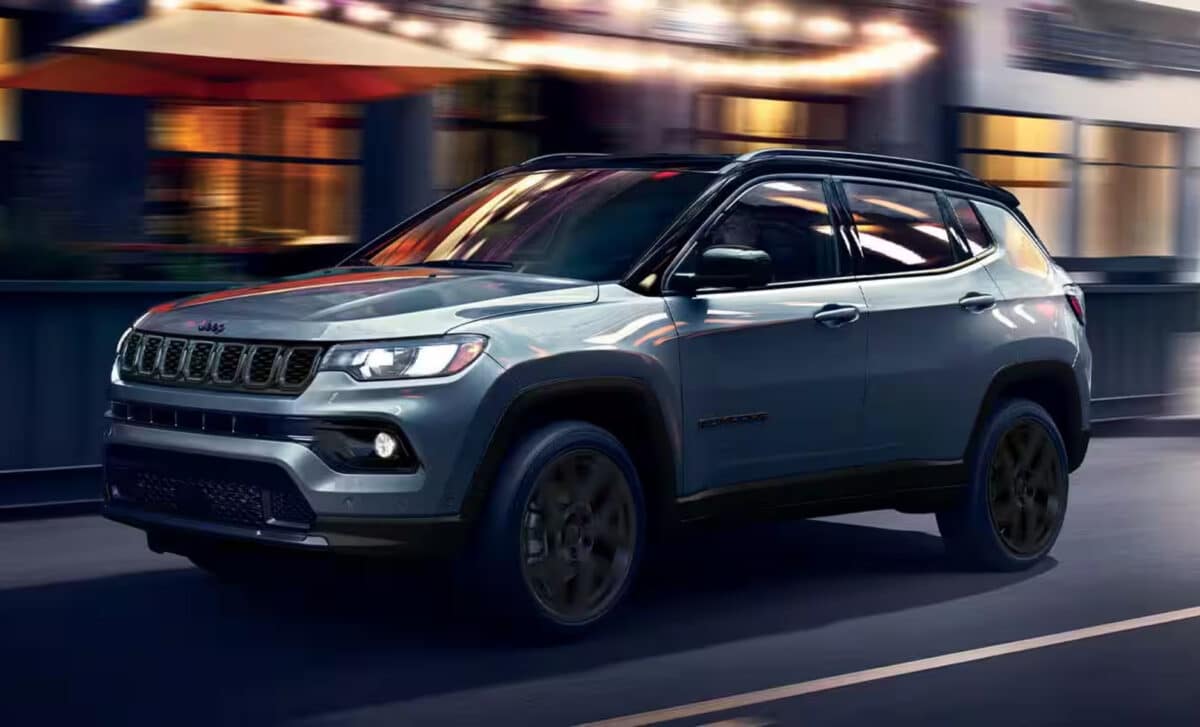
For now, Stellantis’ cheapest vehicle remains the aging 2026 Jeep Compass, priced just above $30,000. Other models like the Jeep Cherokee and most Dodge or Chrysler offerings sit higher, often beyond $40,000. Filosa’s comments suggest Stellantis wants to reverse that pricing trend and bring back the kind of entry-level vehicles that once defined the brand.
A Shift in Powertrain Priorities
Another key change is Stellantis’ evolving view on energy strategies. While earlier plans centered on developing affordable electric-only models, Filosa confirmed the company is now leaning into what he calls “multi-energy” powertrains. Stellantis will offer a mix of gas, hybrid, and electric vehicles in future affordable lineups rather than relying exclusively on EVs.
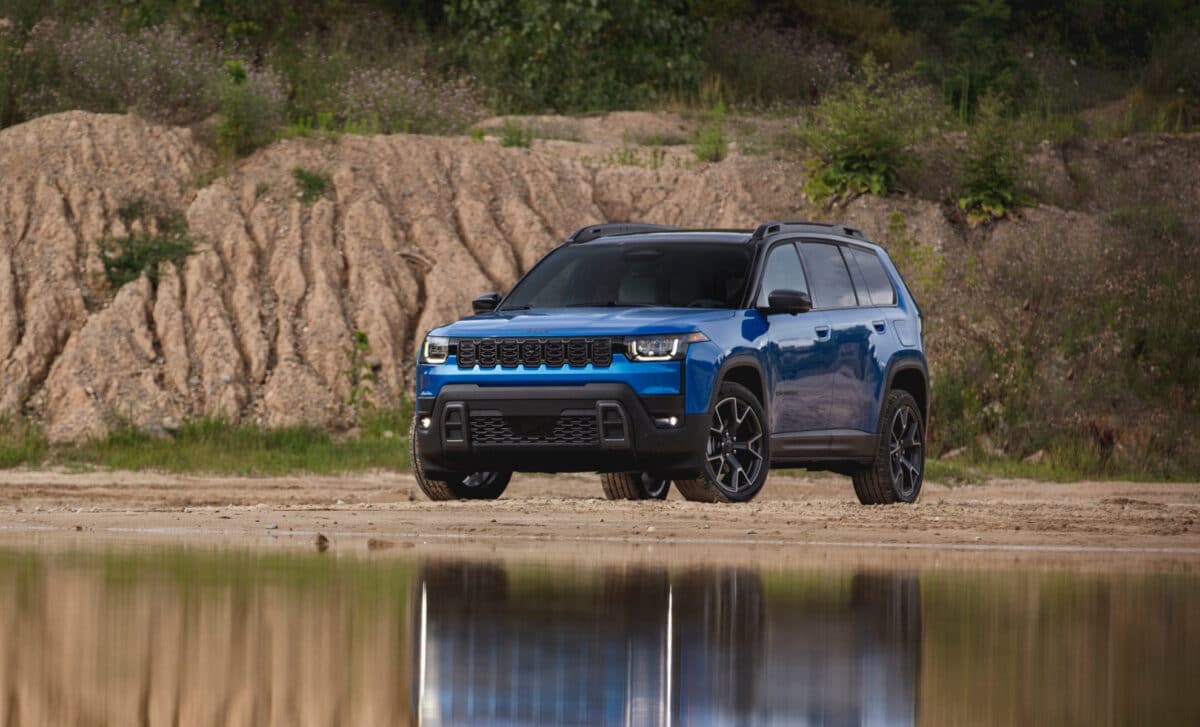
This decision also coincides with Stellantis pulling back on its Jeep 4xe plug-in hybrids. A spokesperson confirmed that the company has shifted its focus to broader options that allow for flexibility in both cost and consumer demand. Filosa made it clear: a one-size-fits-all energy strategy doesn’t align with the company’s new affordability goals.
Stellantis’ push for accessible vehicles is more than a marketing line, it’s a direct response to sales trends. With US sales down around 3% in 2025, the automaker is refocusing not just on what it builds, but for whom.