
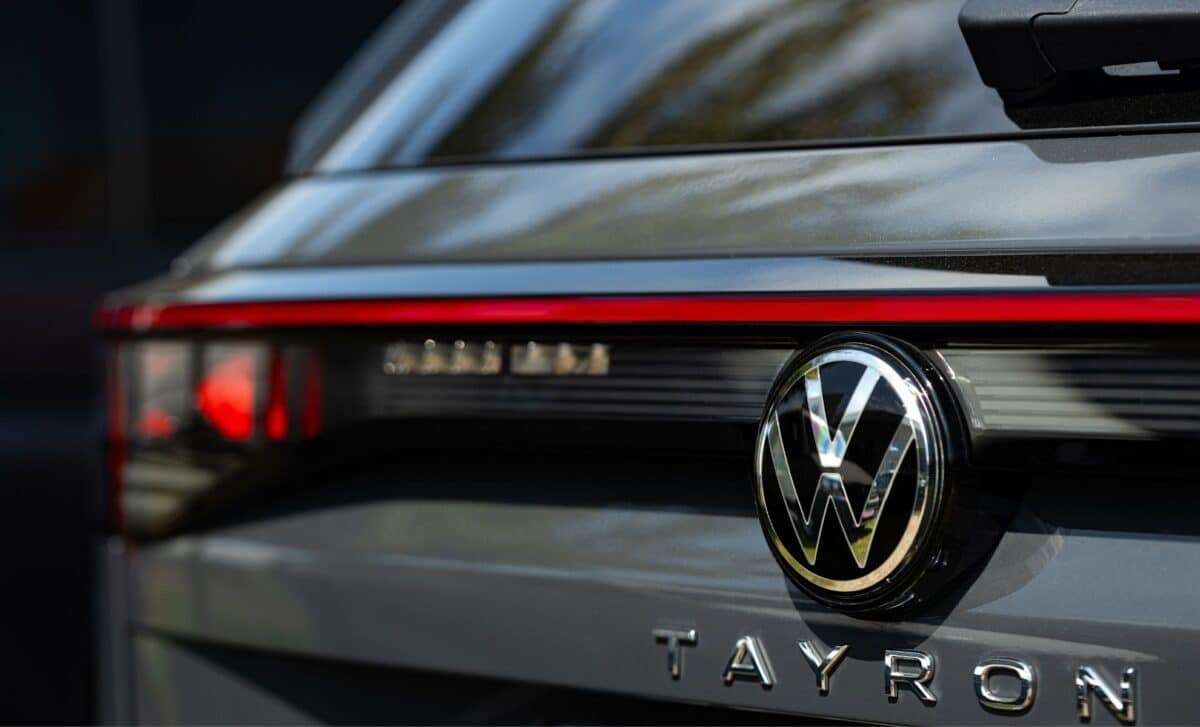
At first glance, nothing seemed more improbable. On one side, Volkswagen, symbol of German engineering and decades of dominance. On the other, Stellantis, a fusion of French, Italian, and American legacies. Both are heavyweight players, competitors in nearly every segment, from city cars to electric vans. And yet, this February, they co-signed a letter, shoulder to shoulder.
Not to announce a partnership, but to sound the alarm. Their common concern? A growing wave of electric vehicles made in China, arriving in Europe with prices and momentum that are starting to make the local giants uneasy.
An Open Letter, a Shared Concern
The letter, addressed to European leaders and published by Les Échos, doesn’t pull punches. It urges Brussels to act swiftly, to shield the continent’s auto industry from what Oliver Blume (Volkswagen CEO) and Antonio Filosa (CEO of Stellantis) describe as a one-sided game. “In a world where every major nation protects its industry,” they write, “Europe must decide whether it wants to stay an industrial power, or just become a market for others.”
The two CEOs aren’t calling for protectionism in name, but the message is clear: without rules that level the playing field, Europe’s manufacturers risk being undercut by rivals operating under very different conditions.
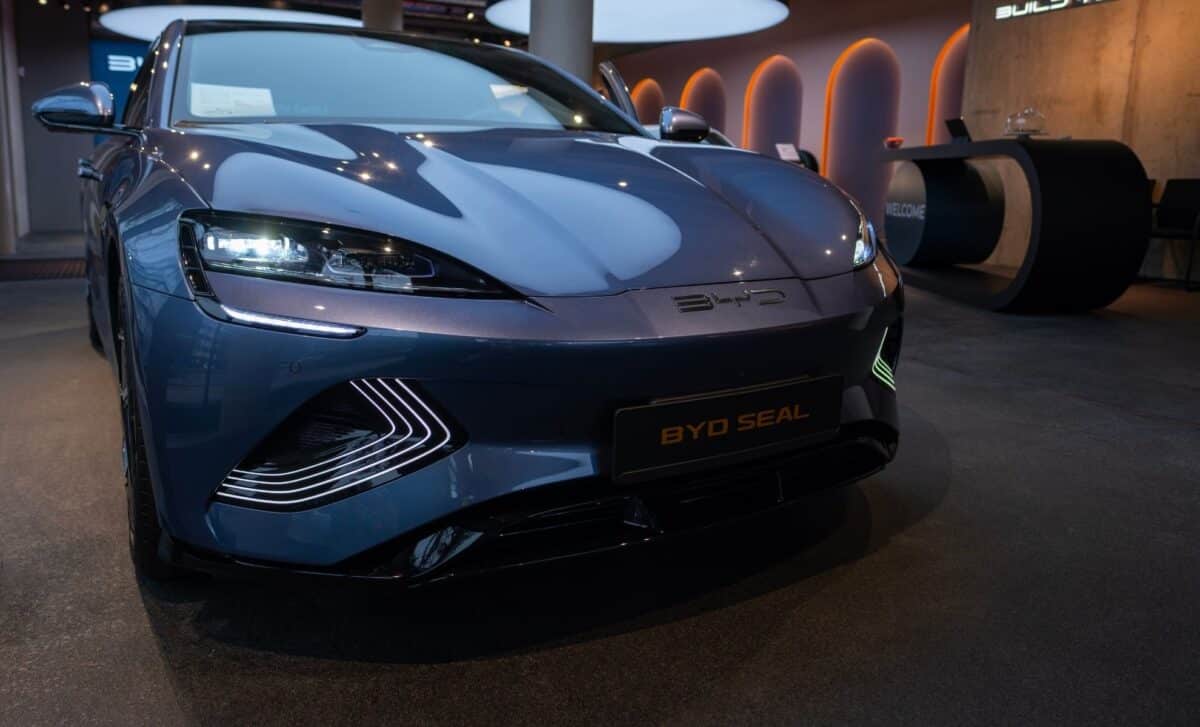
Right now, nine out of ten vehicles sold in the EU are still built there. But the equation is shifting. Chinese brands like BYD and MG are rolling out aggressively priced EVs that benefit from homegrown state support and fewer regulatory hurdles. And they’re targeting Europe’s core segments: compact cars, family crossovers, even fleets.
When Silence Becomes Strategy
For Stellantis, this move is particularly revealing. Since Filosa took the reins nearly a year ago, the group has remained unusually quiet about its long-term strategy, its full industrial roadmap isn’t due until May. Yet this open letter changes the tone. While short on technical detail, it lays out a political position: Europe must define its own industrial priorities, and fast.
Volkswagen has similar stakes. While its PowerCo subsidiary is ramping up battery production in Europe, Chinese players still dominate the global supply of critical raw materials like lithium and rare earths. The letter also mentions this, albeit discreetly, referencing “recent restrictions” that threaten supply chains.
So beyond EV prices, the concern is also about access to components, control over key technologies, and the ability to meet Europe’s own green targets with homegrown capacity.
The Europe-First Model, Easier Said than Done
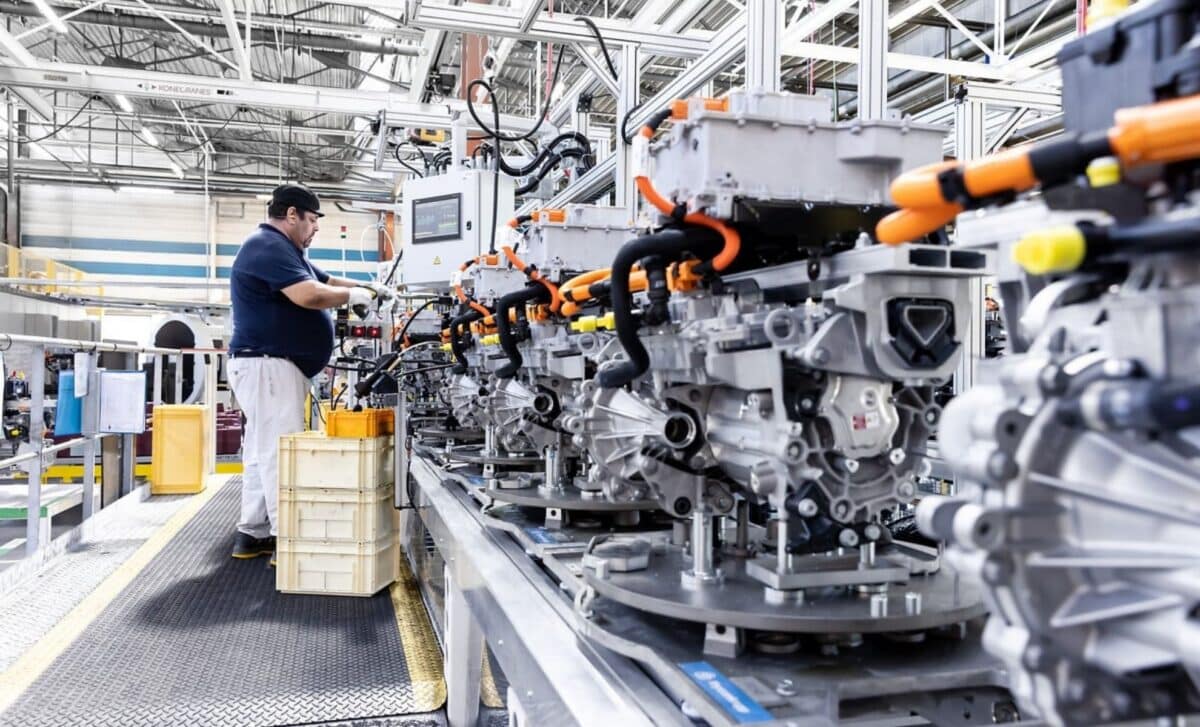
France’s government has already begun floating its own solutions. Roland Lescure, minister delegate for Industry, recently called for EVs sold in Europe to include 75% local content, measured not in number of parts, but value across the supply chain. That includes batteries, power electronics, and final assembly.
Yet here’s the catch: batteries alone can account for up to a third of a vehicle’s total cost. And most of their materials still come from outside Europe. Building a local ecosystem that meets these thresholds would take time, money, and political will.
A Signal, Not Yet a Turning Point
For now, Stellantis and Volkswagen aren’t announcing new alliances or shared platforms. Their cooperation remains political, perhaps even symbolic. But it’s a signal that shouldn’t be dismissed. When two of Europe’s biggest automakers feel compelled to align their messaging, it says something about how the ground is shifting.
There’s no guarantee their appeal will be heard in Brussels. The Commission is walking a tightrope between industrial competitiveness and trade diplomacy, especially with China. A more detailed response is expected before the end of February.
Meanwhile, new players keep arriving. Zeekr has just launched in France with four models. Others are expected to follow, drawn by both consumer appetite and generous CO₂ incentives.