The collaboration between BMW and ZF dates back to the 1960s, and it has evolved over time, with ZF becoming known for its innovative gearboxes. The company’s eight-speed automatic transmission, introduced in the mid-2000s, has become a staple for BMW, as well as other manufacturers like Alfa Romeo.
With electric vehicles (EVs) steadily gaining market share, the question arises: how long will there still be a demand for traditional, multi-speed gearboxes, especially in the face of growing electrification in the automotive industry? BMW’s move to continue working with ZF seems to suggest that the company still envisions a future for combustion engines, even beyond 2035, when the European Union plans to phase out fossil-fuel-powered vehicles.
ZF’s Eight-Speed Transmission: A Key Element for BMW
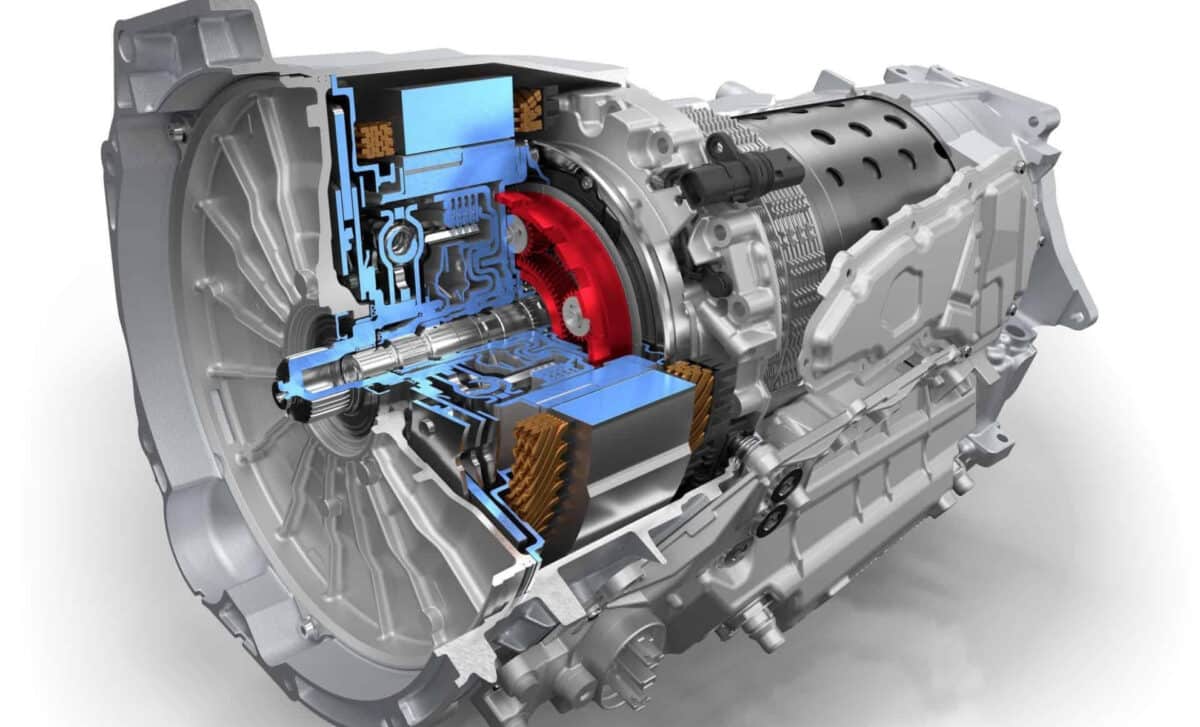
The partnership between BMW and ZF focuses heavily on the eight-speed gearbox, which has been a reliable and long-lasting component in BMW’s lineup. ZF’s transmission is particularly well-suited for high-torque engines, offering smoother transitions and increased durability.
According to ZF, the eight-speed gearbox will undergo continuous development to meet the evolving demands of both traditional and future propulsion systems. This indicates that ZF is committed to keeping its gearboxes relevant even as the automotive landscape shifts toward electric vehicles (EVs).
However, the question remains whether there will be a place for such complex gearboxes when electric vehicles, which require less intricate transmission systems, become more dominant.
BMW’s Strategy Beyond 2035
BMW’s decision to continue using the ZF eight-speed transmission until at least the end of the 2030s suggests that the automaker may be betting on the longevity of combustion engines. This outlook remains uncertain, particularly in Europe, where stricter environmental regulations and the shift toward EVs are expected to significantly reduce the demand for traditional combustion-powered vehicles.
However, this timeline could give BMW additional leeway to adapt to the changing landscape and perhaps even continue producing combustion engines in other regions of the world where electrification is progressing at a slower pace.
According to the automaker’s plans, the partnership with ZF is set to extend well beyond 2030, aligning with BMW’s broader strategy of ensuring that combustion engines remain a viable option for its customers in key global markets.
The Shift to Electric Vehicles and the Future of Gearboxes
The rise of electric vehicles has already begun to reduce the need for complex transmission systems. Unlike combustion engines, which require multi-speed gearboxes to optimize performance, electric motors are far more efficient and can operate effectively with simpler transmission mechanisms.
For example, some electric vehicles only require a single-gear reduction, rendering multi-speed gearboxes unnecessary. As EVs continue to make up a larger share of global automotive sales, the demand for traditional gearboxes is likely to decline.
According to the latest data, around 20% of BMW’s global sales last year were electric vehicles, a figure expected to rise in the coming years. This trend, along with the increased availability of electric alternatives, suggests that the automotive industry is facing a significant shift in how transmissions are designed and used. Despite this, BMW’s extended partnership with ZF signals that the company is not yet ready to fully abandon combustion engines and the complex gearboxes that support them.