
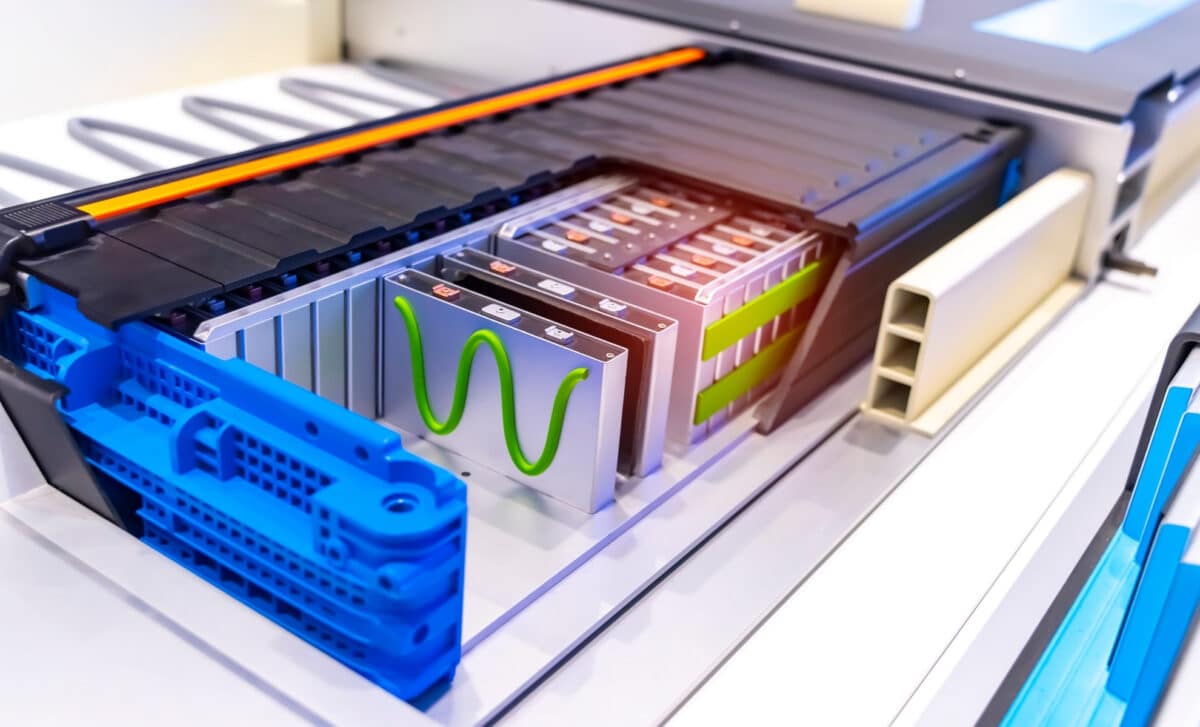
On February 4, QuantumScape, a subsidiary of Volkswagen, launched its Eagle Line, a highly automated pilot production facility in California. Just the following day, Karma Automotive announced its collaboration with Factorial Energy to produce solid-state batteries in the United States.
The first vehicle to benefit from this partnership will be the Karma Kaveya, scheduled for release by the end of 2027. This collaboration with Factorial Energy, an American startup backed by key players like Mercedes, Stellantis, Hyundai, and Kia, underscores the growing momentum behind the development of solid-state battery technology.
Key Players and Investments in Solid-State Battery Production
The race toward solid-state batteries is marked by heavy investments from automakers and suppliers alike. Factorial Energy, the startup working with Karma Automotive, is aiming to begin large-scale production of solid-state batteries by 2029.
Mercedes has already made significant investments in the startup, reinforcing its commitment to the technology. In fact, Mercedes recently unveiled a modified version of its EQS vehicle, equipped with a lithium-metal solid-state battery capable of achieving a remarkable 1,205 kilometers on a single charge, reporte Auto Journal.
Other major automakers are also making moves in this space. Stellantis, for example, plans to launch a demonstration fleet of vehicles with solid-state batteries produced by Factorial Energy later this year. Meanwhile, Chinese automaker Chery Automobile is preparing for pilot tests and vehicle validation in 2026. BMW is actively conducting real-world road tests with 17 prototypes and plans to start commercialization of solid-state battery-equipped vehicles around 2030.
Performance Benefits and Market Impact
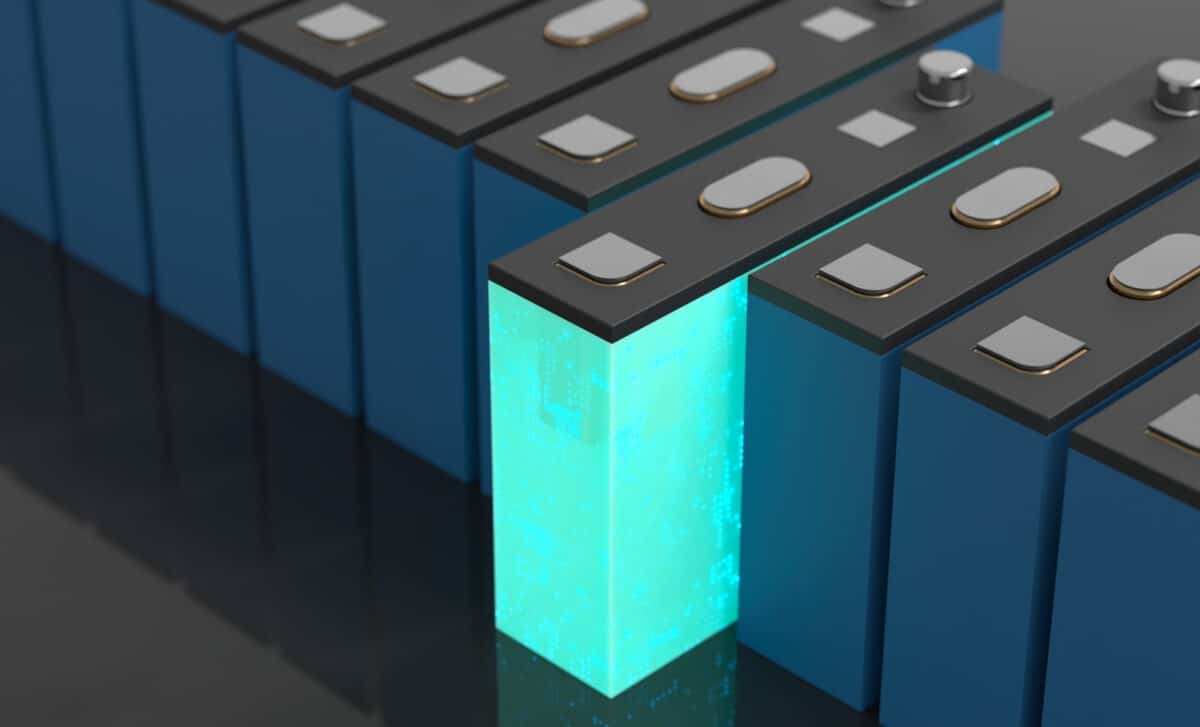
The push toward solid-state batteries is driven by several key advantages over conventional lithium-ion batteries. First, solid-state batteries offer much higher energy density, which allows electric vehicles to travel further on a single charge, potentially over 1,000 kilometers. In addition to the improved range, solid-state batteries are considered safer than their liquid-based counterparts. The solid electrolytes they use are far less flammable, reducing the risk of fire in the event of damage or malfunction.
Experts suggest that these improvements make solid-state batteries particularly suitable for high-end electric vehicles, while lithium-ion batteries will likely continue to dominate the mid-range segment. Sodium-ion batteries, which are another alternative, are expected to be used primarily in entry-level vehicles. As demand for electric vehicles grows, automakers are racing to secure the technological edge offered by solid-state batteries to meet both consumer and regulatory demands for greater range and safety.
A Rapid Shift Toward Commercialization Before 2030
While full-scale production of solid-state batteries remains a few years away, automakers are eager to integrate the technology into their vehicles as soon as possible. According to specialists, automakers could produce as many as 50,000 solid-state battery-equipped vehicles per major manufacturer before 2030. This drive for commercialization is not limited to luxury models; it is part of a broader shift toward making solid-state batteries more accessible across various segments.
The timeline for widespread adoption of solid-state batteries will depend heavily on overcoming remaining technical and production challenges, but manufacturers are already positioning themselves to be ready for large-scale deployment. With the increasing pace of development and testing, solid-state batteries may soon become a defining feature of the next generation of electric vehicles.