
Electric vehicles continue to gain ground globally, yet registrations are no longer rising at the pace public authorities had anticipated. Carmakers that invested heavily in zero-emission technologies are now adjusting their roadmaps in response to softer-than-expected demand.
In this context, Honda is recalibrating its strategy. The manufacturer has confirmed that it intends to slow the pace of its electric push and instead rely more heavily on hybrid powertrains in the near term.
Hybrids to Drive Sales Volumes
In an interview with Auto Express, product chief Andrew Winfield stated that hybrids will represent the main volume of Honda’s future sales. He emphasized the importance of a multi-energy approach designed to support customers progressively as the market evolves.
Winfield noted that the transition to electric vehicles is moving significantly slower than some optimistic forecasts had suggested. Consumers remain cautious, particularly because of the high purchase price associated with fully electric models. Charging infrastructure also remains uneven depending on the region, which further tempers widespread adoption.
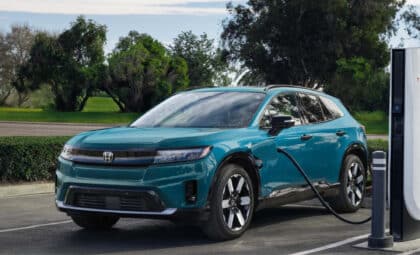
Honda’s current European lineup already reflects this orientation. The brand offers only one fully electric model in certain markets, including France: the e:Ny1 crossover. As reported by Auto Plus, this positioning illustrates the company’s clear priority for hybrid solutions rather than an exclusive focus on zero-emission vehicles.
An Electric Offensive Still in Preparation
Despite placing electric vehicles in the background for now, Honda has not abandoned its longer-term ambitions. The company is preparing what it describes as an ambitious electric rollout in the coming years.
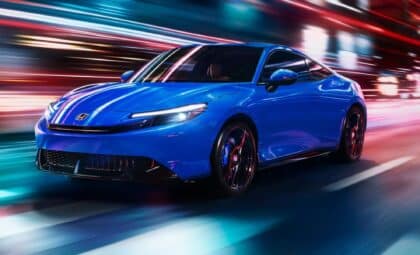
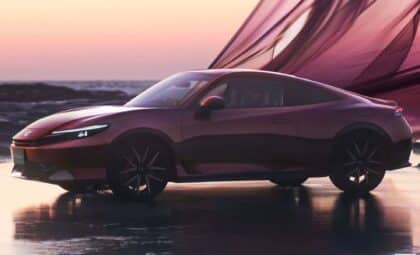
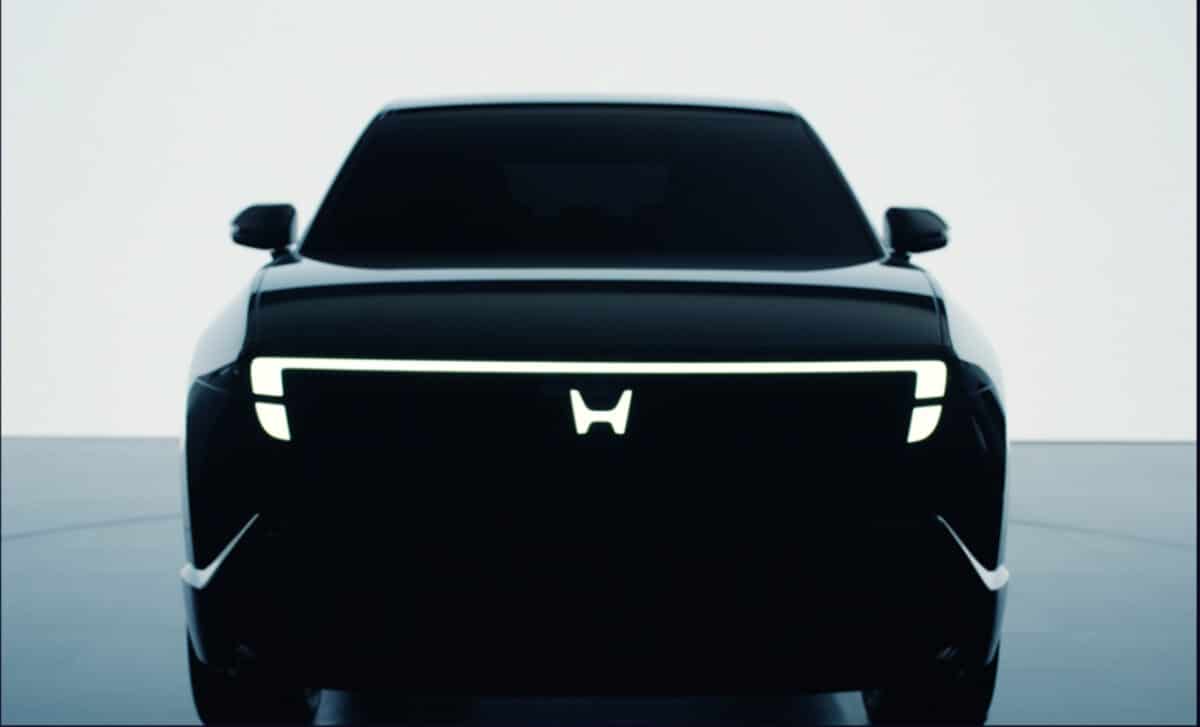
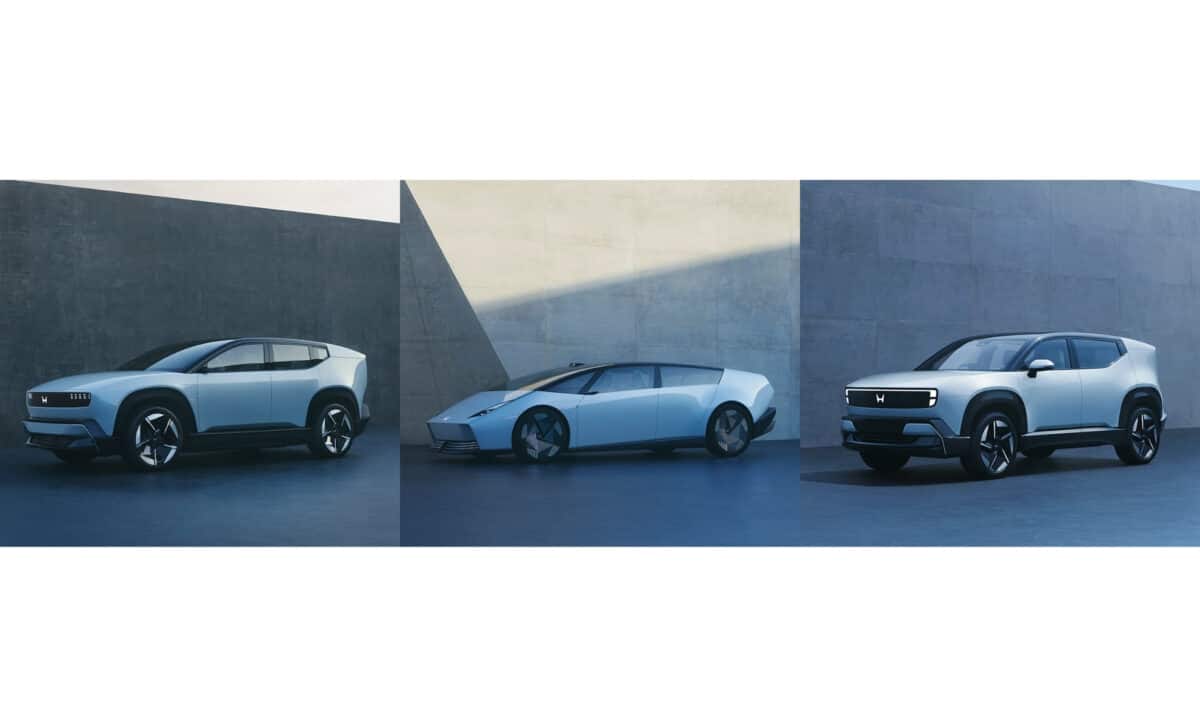
A future SUV from the so-called 0 Series is expected to launch in several key markets. The model promises competitive driving range against current benchmarks and will target popular vehicles such as those produced by Tesla. A fully electric sedan is also set to follow in order to expand this new generation of models.
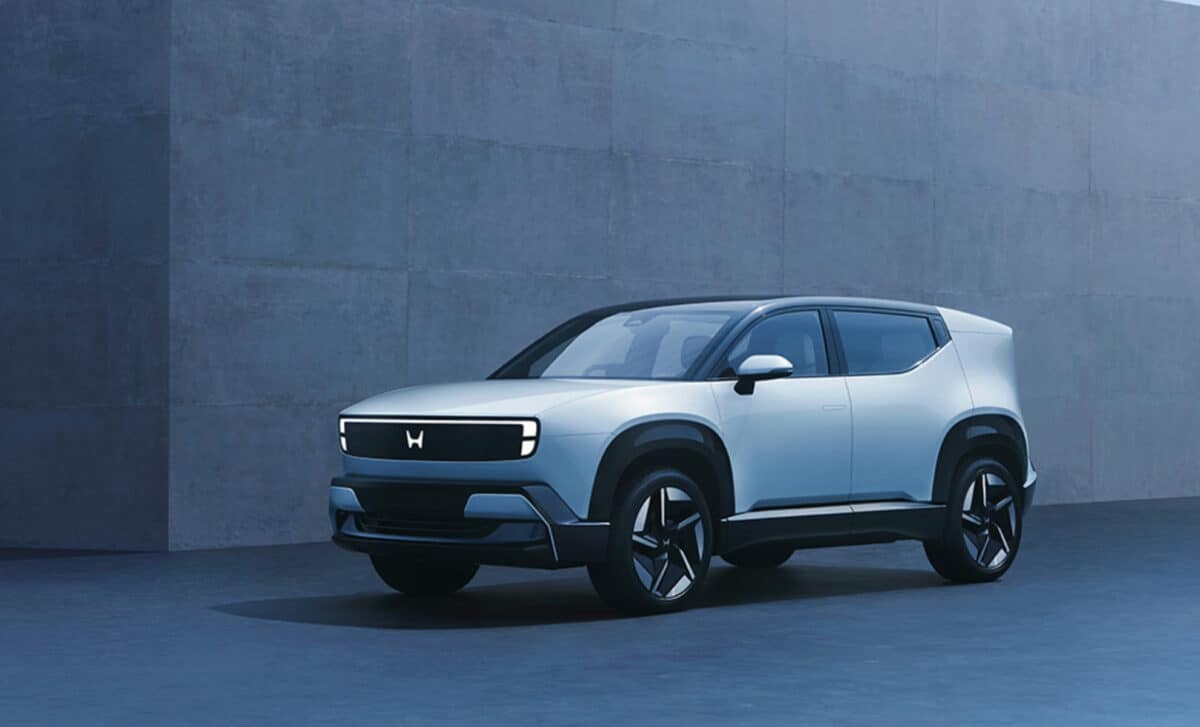
In addition, a more compact SUV is reportedly planned, aimed at competing with brands including Skoda. These projects signal that while hybrids are the immediate priority, electric development remains part of Honda’s industrial strategy.
Regulatory Shifts and Strong Hybrid Demand
Honda’s decision comes amid evolving regulatory conditions in Europe. The European Commission has recently adjusted its position on full electrification, allowing a degree of flexibility beyond the initial 2035 deadlines. This shift has provided reassurance to manufacturers facing a complex transition.
Hybrid sales are currently rising sharply, and plug-in hybrids are experiencing particularly strong growth. Together, these powertrains account for a significant share of new car sales in Europe. This sustained demand reinforces Honda’s choice to continue offering hybrid alternatives in response to market realities.
Andrew Winfield also recalled Honda’s initial objective of achieving 30 percent global electric sales by 2030. He acknowledged that this figure could ultimately fall short of expectations, reflecting a transition that is proving more gradual than once projected.