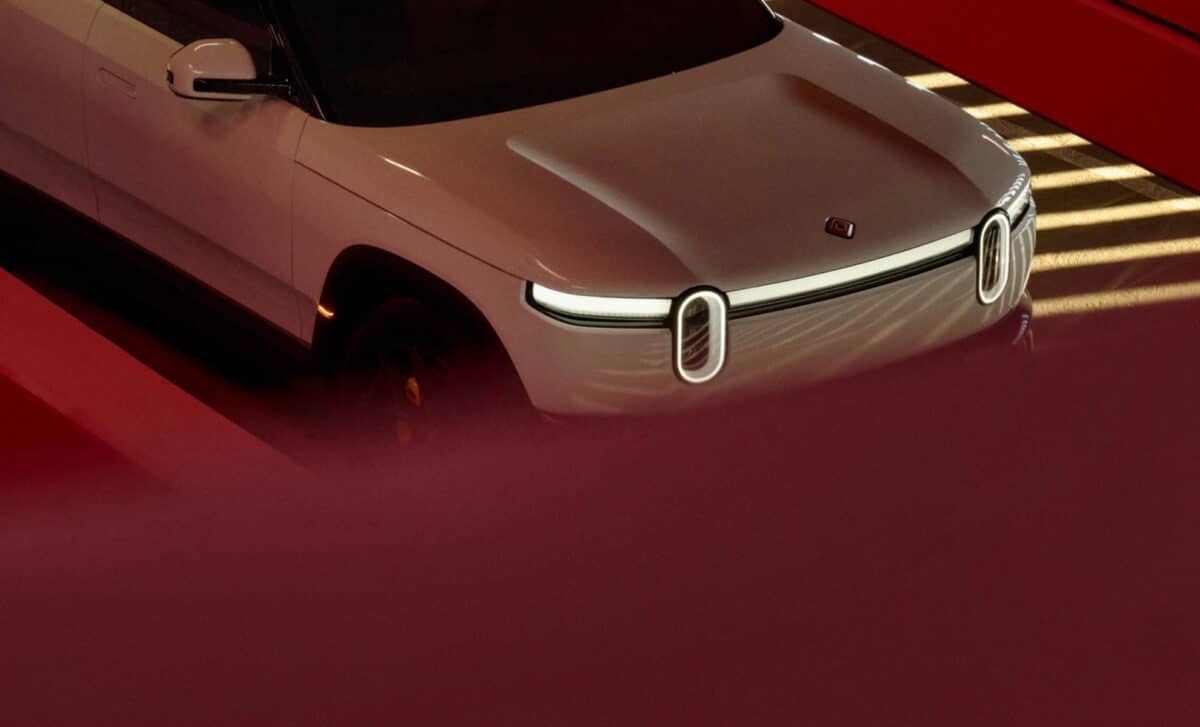
The legislation arrives at a pivotal moment for Rivian, as it prepares to launch its upcoming R2 model. It also highlights a broader national tension between traditional dealership systems and newer automakers seeking to bypass them entirely.
For decades, car buyers in the United States have navigated a dealership model built around independently owned franchises. These businesses often generate revenue through add-ons and services rather than relying solely on vehicle pricing. New electric vehicle manufacturers, by contrast, have aimed to streamline the process through direct-to-consumer sales.
A Long-Standing Loophole Finally Expanded
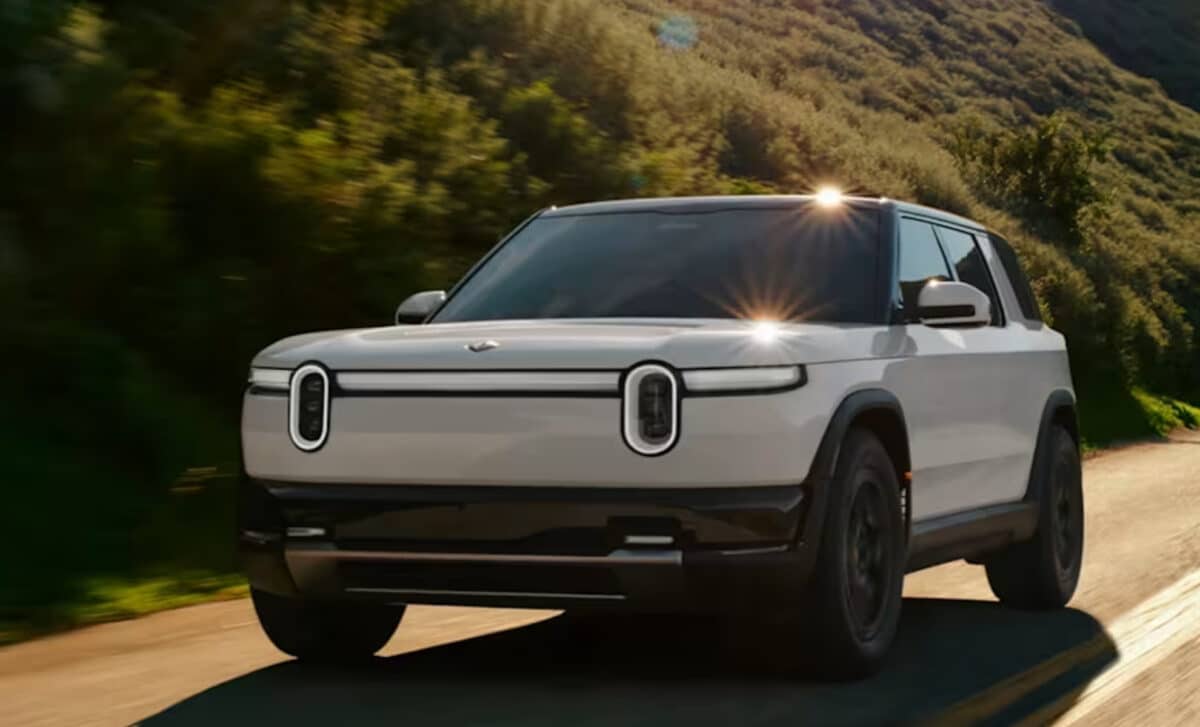
Washington has historically allowed Tesla to sell directly to consumers through a legal exception in place for more than 12 years. According to InsideEVs, this same pathway was not available to other electric automakers like Rivian, leaving them unable to offer test drives or discuss pricing at in-state showrooms.
As a result, Washington residents interested in Rivian vehicles had to complete purchases online or travel out the state. The newly passed Senate Bill 6354 changes that by extending similar privileges to Rivian and Lucid, enabling them to operate without a franchised dealership network.
The bill was overwhelmingly approved by state legislators and sent to Governor Bob Ferguson for signature, signaling strong political support for the shift.
Industry Pushback Highlights Deep Divide
The measure has not been without controversy. Traditional automakers and dealership advocates have pushed back, arguing that allowing direct sales creates unequal conditions within the industry.
According to statements reported during a March 5 hearing, Honda lobbyist Craig Orlan criticized the legislation, saying it would “create two sets of rules for the same industry.” He argued that electric vehicle manufacturers are seeking to bypass established systems to gain a competitive edge.
Dealer-franchise laws were originally designed to protect dealerships from being undermined by automakers. Yet companies like Tesla, Rivian, and Lucid never operated under that model, leading to ongoing legal and political disputes across multiple states.
A Broader Shift in How Cars Are Sold
Washington’s decision reflects a wider national trend, though restrictions remain significant. 14 states, including Texas, Wisconsin, and South Carolina, still prohibit direct-to-consumer vehicle sales entirely.
Even so, some states have begun easing these rules as consumer expectations evolve. Washington stands out in this shift due to its strong electric vehicle market, making the policy change particularly relevant.
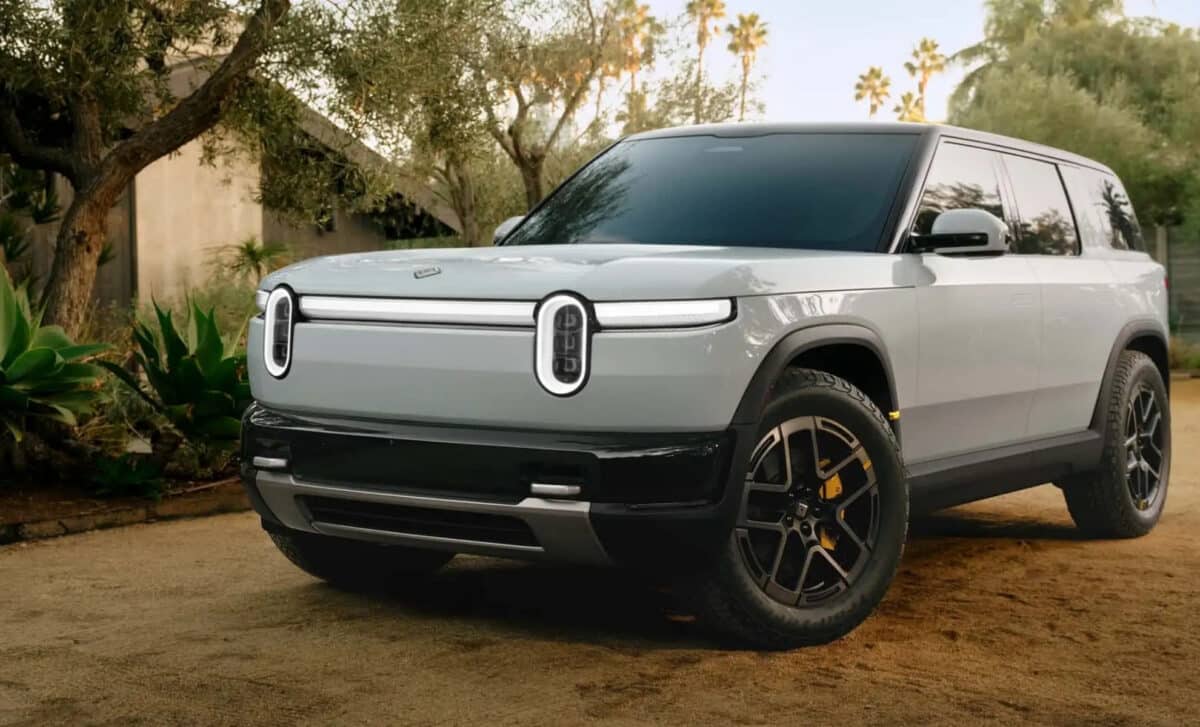
For Rivian, the timing is notable. The company’s upcoming R2 model is expected to play a central role in its future lineup, and the ability to sell directly in Washington removes a key barrier for potential buyers.