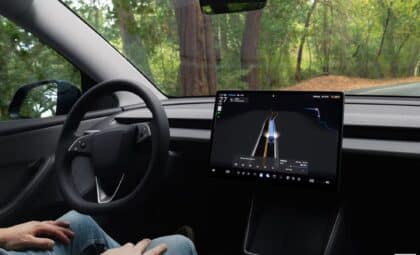

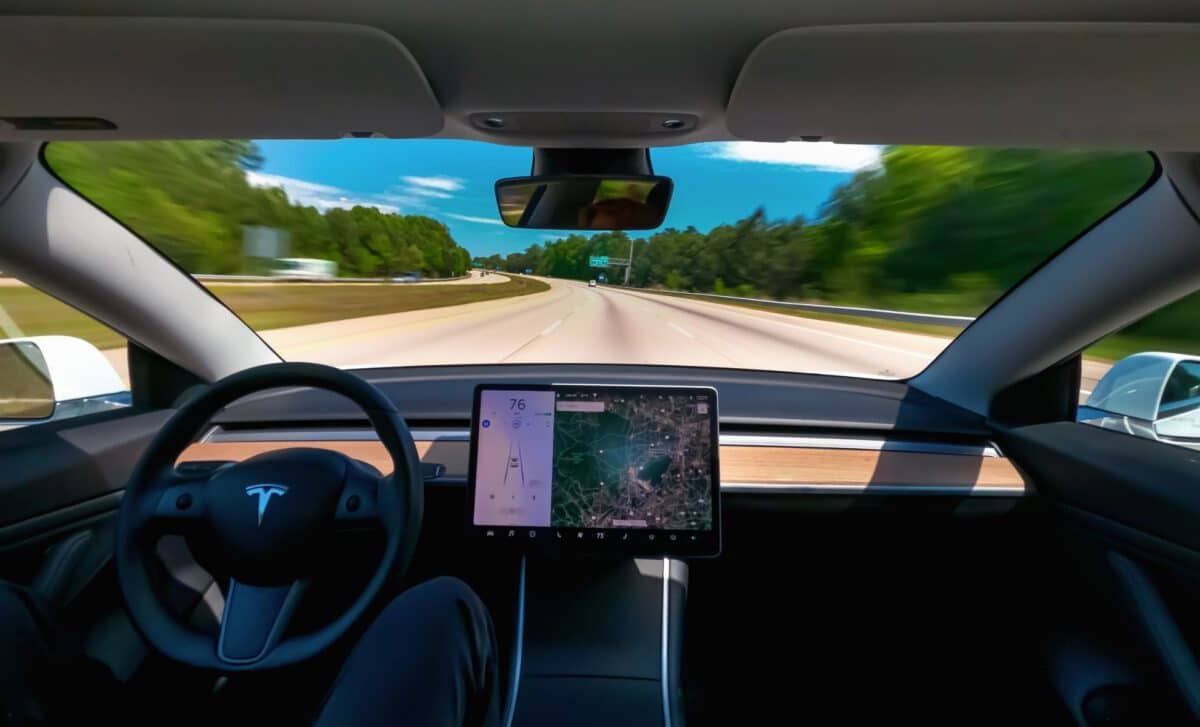
After years of development and testing, the company’s Full Self-Driving (FSD) technology is now in the final stages of validation. The potential approval would allow Tesla to begin a gradual rollout of the system across several European markets. This step comes after a long and demanding process shaped by some of the strictest automotive regulations in the world.
The move carries broader implications beyond Tesla itself. A successful validation could set a precedent for other manufacturers developing similar advanced driver-assistance systems, in a market where competition and innovation are accelerating.
Final-Stage Validation Underway in the Netherlands
The approval process has now entered its last phase, with Tesla submitting its completed validation file to the Dutch vehicle authority RDW. According to Auto Journal, this organization is responsible for assessing whether the system meets European regulatory standards.
The decision, initially expected earlier, could be delivered during April. If approval is granted in the Netherlands, it may serve as a reference for other European countries. A wider recognition at the European Union level is being considered, which could significantly speed up deployment across the region.
Extensive Testing to Meet Strict European Standards
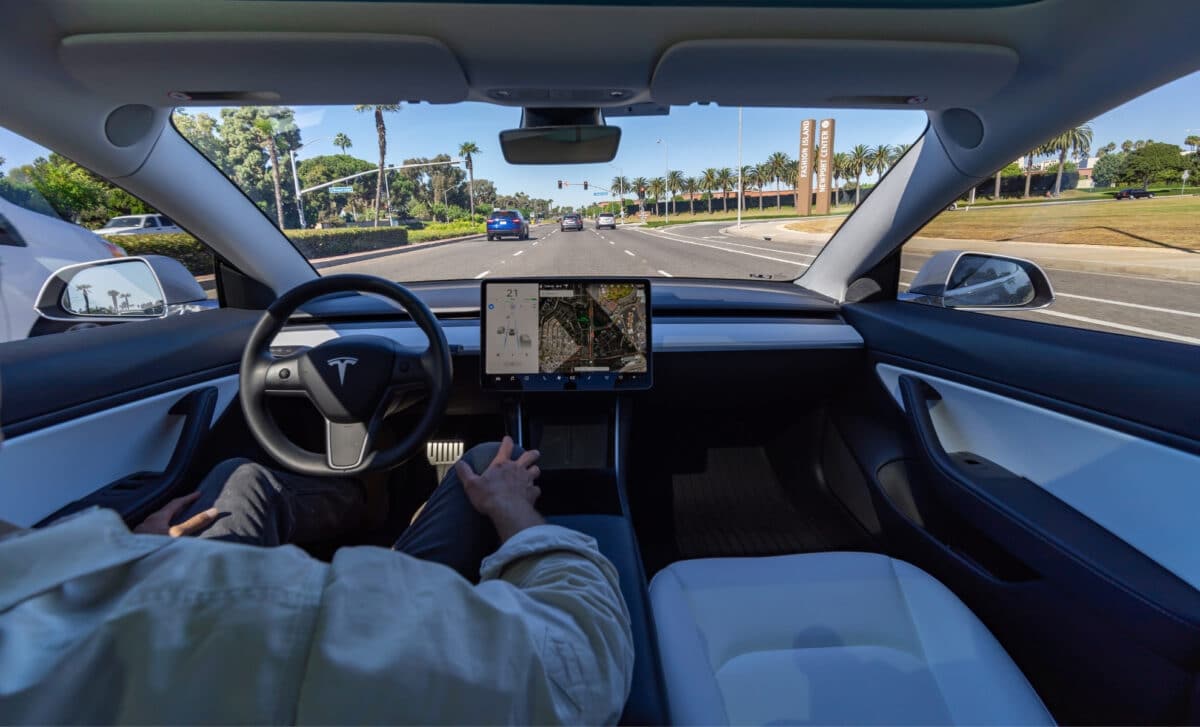
To comply with regulatory requirements, Tesla carried out a large-scale testing program. The FSD system has been tested over more than 1.5 million kilometers on open European roads to evaluate its performance in real traffic conditions.
This real-world testing was complemented by thousands of trials conducted in controlled environments, designed to simulate complex driving scenarios. The company also ran user-based experiments to gather additional operational data.
All of these efforts were supported by extensive technical documentation addressing several hundred regulatory criteria, reflecting the rigor of the European approval framework.
Strategic Stakes Amid Growing Competition
Securing homologation would represent a significant step for Tesla in Europe, especially as the company faces increasing competition and a decline in sales. The manufacturer is relying heavily on its driver-assistance technologies to strengthen its position in the market.
The deployment of FSD could become a key commercial argument. The system is currently offered at a high price, though a subscription-based model is being considered as a more flexible alternative.
At the same time, competition, particularly from Asian manufacturers, is intensifying in the field of embedded technologies. Meanwhile, U.S. authorities have raised concerns about the performance of Tesla’s FSD system following multiple accidents, adding another layer of scrutiny as the approval process advances.