
The experience left a mixed impression. The technology demonstrated sophisticated behavior across highways, suburban roads, city streets, and complex intersections, but isolated errors prevented it from becoming a system drivers could fully trust without active oversight.
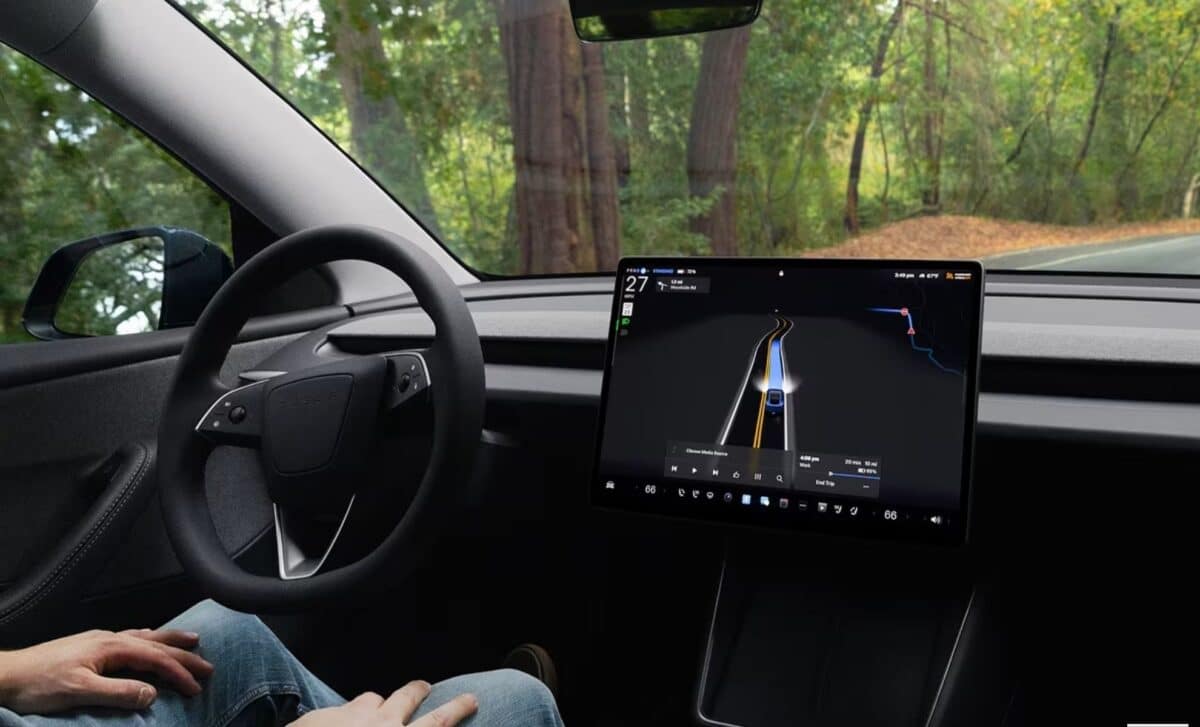
Although the branding suggests broad autonomy, Tesla officially calls the feature “Full Self-Driving (Supervised),” a designation that reflects the company’s own guidance; drivers are expected to monitor the road continuously, and the system can disengage automatically if it detects prolonged inattention.
Full Self-driving Handled Most Driving Scenarios With Confidence
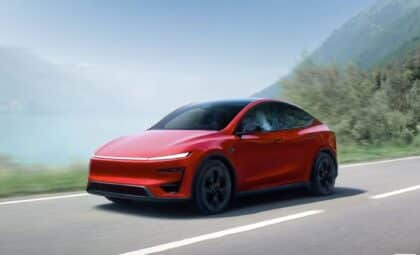
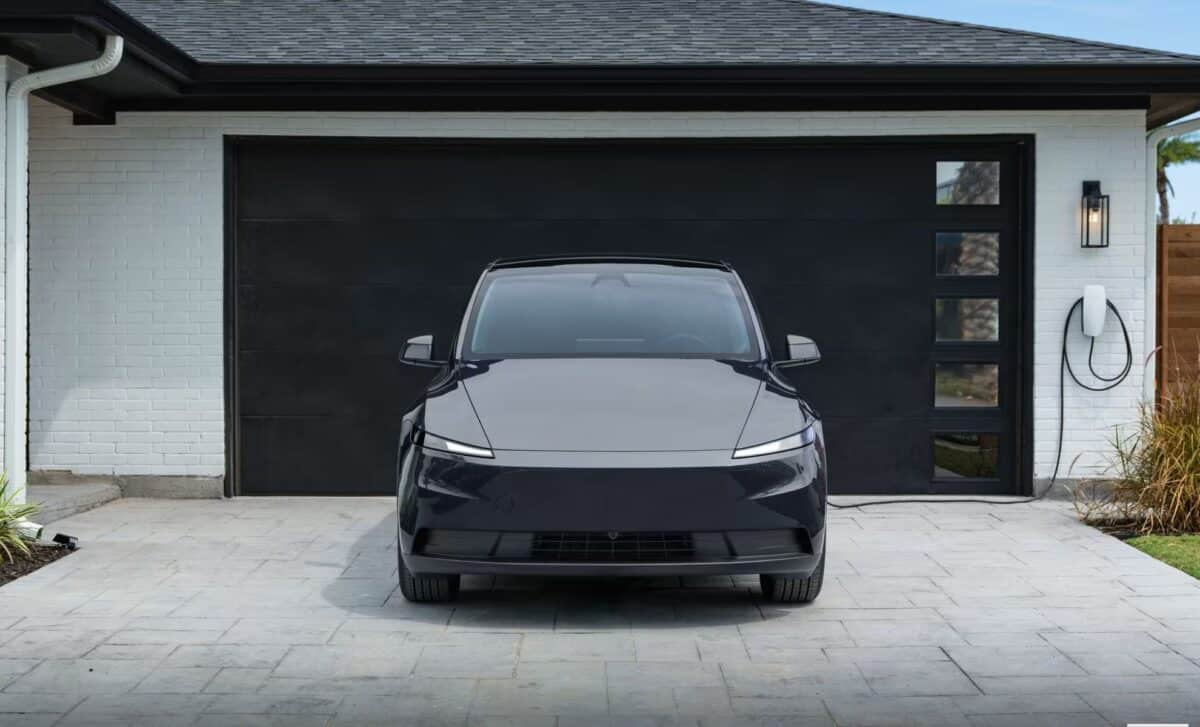
Tesla’s Full Self-Driving feature has long attracted attention because of its name and its promise of automated driving assistance. The version tested was installed in two 2026 Tesla Model Y vehicles and evaluated over several days in everyday traffic conditions. According to Car and Driver, the system performed strongly across a broad range of environments during testing around Ann Arbor, Michigan, and San Francisco.
In Ann Arbor, the Model Y navigated suburban roads and interstate highways without notable issues. One of the strongest impressions came from the vehicle’s behavior in busy traffic circles, where it reportedly managed traffic complexity smoothly and completed maneuvers seamlessly. The system also followed navigation routes entered into the vehicle without apparent difficulty.
Testing in San Francisco produced similarly positive results. Staff members reported that the vehicle moved through city traffic and surrounding areas with equal ease, completing urban driving tasks effectively.
Across both locations, the experience was described as impressive for long stretches of time, particularly in situations that traditionally demand frequent driver input.
Small Mistakes Repeatedly Reminded Drivers To Stay Engaged
The strongest limitations appeared not in frequent failures but in isolated moments where human intervention became necessary.
In Michigan, one Model Y failed to detect a speed bump located in heavy shade along an apartment complex access road. During another sequence, the vehicle attempted twice to enter a neighboring driveway instead of the intended destination. Testers believed that a large forsythia bush may have obscured visibility of the correct driveway until the vehicle approached too closely.
San Francisco produced incidents that raised greater concern. During one left turn at a four-way intersection, the vehicle began moving toward an opposing turn lane before testers disengaged the system. In another case, the car completed a left turn at a pace considered too slow while oncoming traffic approached.
None of these incidents resulted in close calls or collisions. Even so, they created a sense of constant vigilance among the people supervising the system, who remained prepared to intervene at any moment.
Convenience Remained Difficult To Justify Despite Lower Pricing
After several days using the feature, testers concluded that the need for constant supervision changed the overall experience.
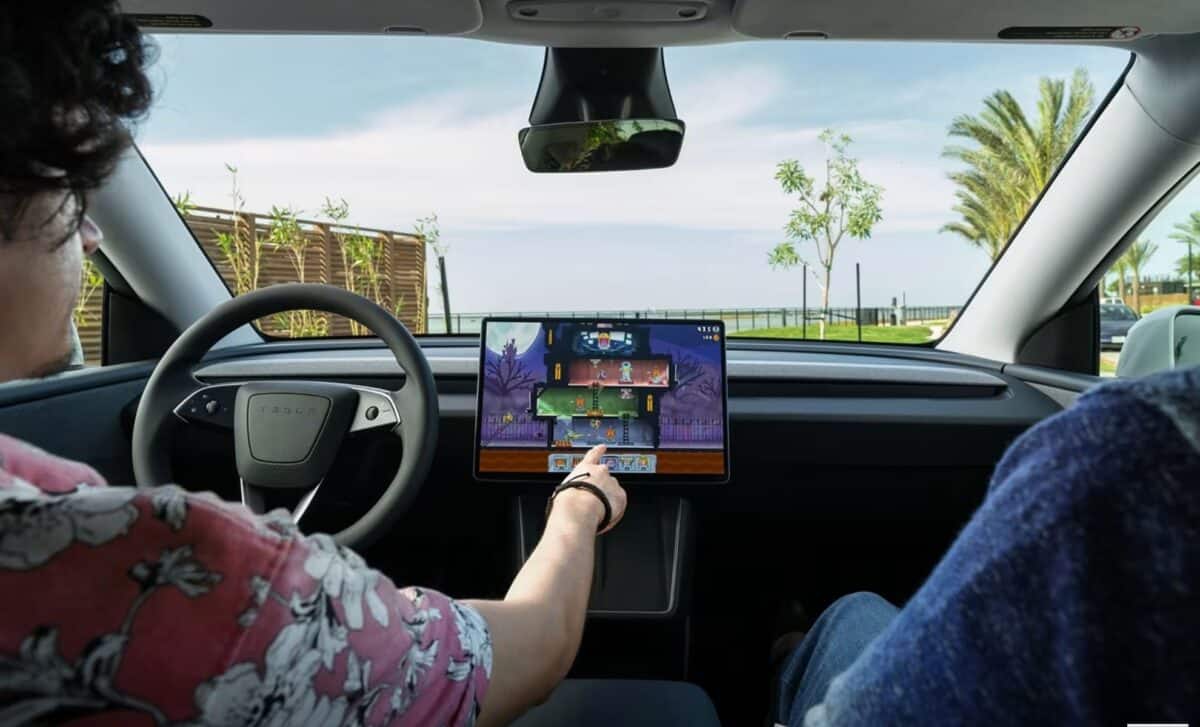
Drivers remained ready to take control by braking, pressing the steering wheel activation button, or physically steering whenever needed. That level of attention reduced the sense that the system was meaningfully reducing workload.
The experience led to a broader question about value. During testing in Ann Arbor in fall 2025, Full Self-Driving (Supervised) was offered as an $8,000 option. Tesla has since shifted availability to a subscription model priced at $99 per month.
That change allows owners to try the feature without committing to the previous upfront cost and to discontinue the subscription if they prefer conventional driving. For the testers, that flexibility emerged as one of the most appealing aspects of the system.