
Electric vehicle range can drop significantly during periods of heavy air-conditioner use, particularly during heat waves. Cabin cooling systems require energy directly from the battery pack, which means maintaining a comfortable interior temperature can reduce the distance an EV can travel on a full charge.
Tesla’s latest patent addresses that issue through a revised HVAC setup intended to manage temperature distribution inside the cabin more precisely. The proposal does not involve battery changes, aerodynamic modifications, or alterations to the powertrain. Instead, it targets thermal management inside the passenger compartment.
Tesla’s System Targets “Hot Air Pockets” Inside the Cabin
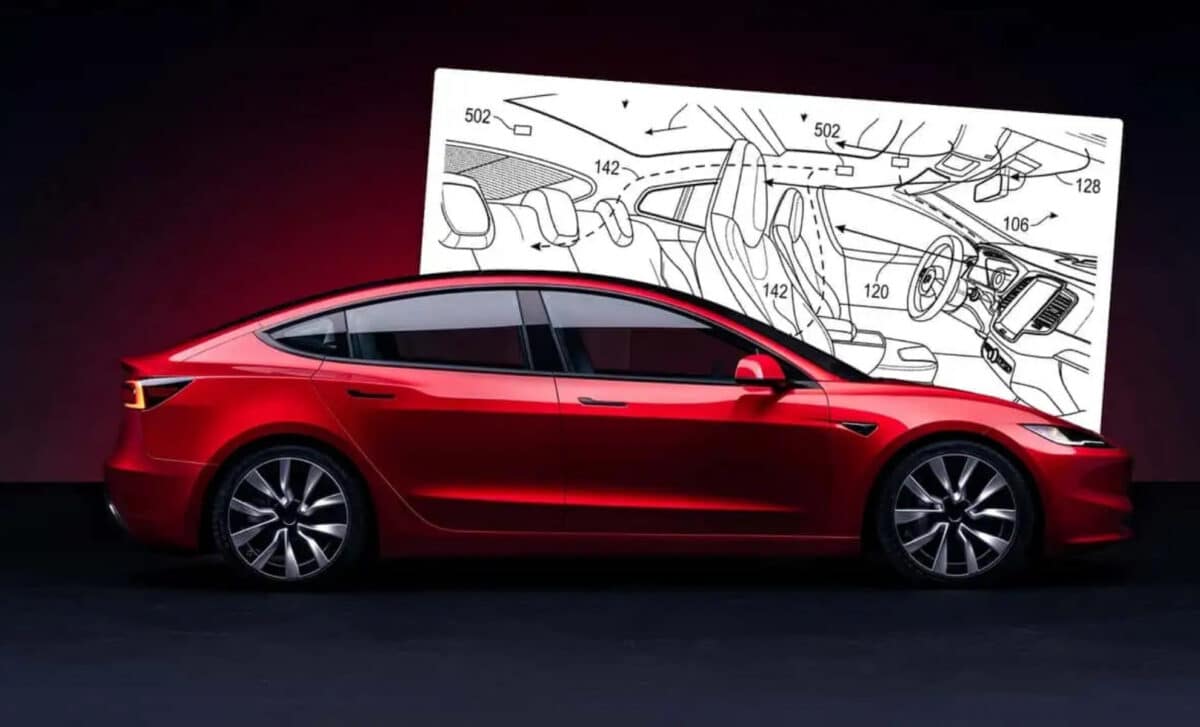
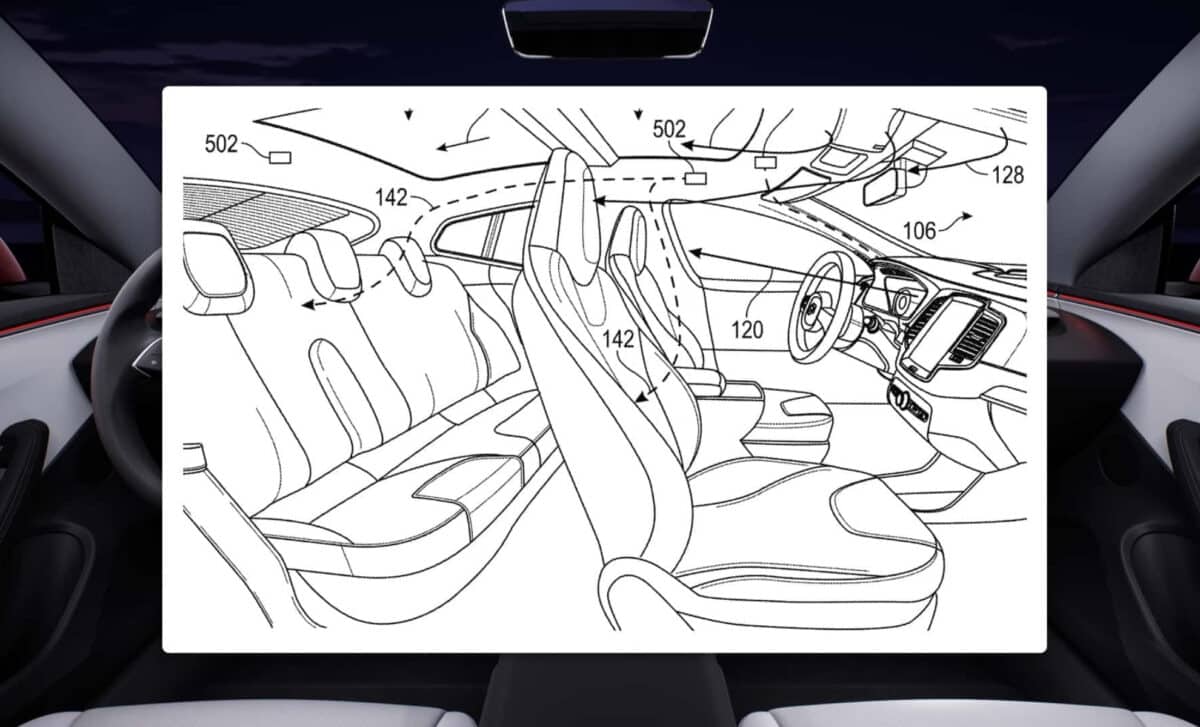
According to the patent, Tesla’s proposed system would integrate a suction unit into the vehicle’s HVAC architecture. The setup creates negative pressure that can selectively pull warm air from specific areas of the cabin where heat accumulates.
Tesla describes these areas as “hot air pockets.” The extracted air would then pass through the HVAC system, where it is conditioned and recirculated back into the vehicle along with the rest of the cabin air.
The patent highlights solar radiation as one of the main causes of uneven cabin heating. Sunlight entering through the vehicle’s glass roof can create localized temperature increases, particularly on passengers’ arms or legs during long drives. Larger vehicles with more interior volume and glass surface area, such as the Model X, may experience greater thermal buildup than smaller models like the Model 3.
The company states in the filing that the objective is to “maximize thermal comfort and minimize energy consumption” by cooling only the areas that require conditioning and distributing cabin temperature more evenly.
Patent Data Points To Lower Hvac Energy Consumption
Tesla included performance figures in the patent documentation showing potential reductions in HVAC power demand. According to InsideEVs, the system could lower energy consumption by approximately 127 watts when outside temperatures reach 104 degrees Fahrenheit.
Under those conditions, peak HVAC power draw would decrease from 1,720 watts to 1,593 watts. Tesla says this represents a reduction of as much as 7.4%.
The patent also explains that the suction function would not necessarily operate continuously. Instead, sensors inside the cabin could monitor temperature conditions and activate suction only in areas requiring additional cooling.
That selective operation is presented as a way to avoid unnecessary energy use while maintaining passenger comfort. The filing focuses specifically on cabin thermal management rather than broader vehicle performance metrics.
Tesla Links Thermal Efficiency To Real-World Range Losses
The patent arrives as automakers continue looking for methods to reduce auxiliary power consumption in electric vehicles. Climate control systems remain one of the largest non-driving energy demands in EVs, especially during periods of extreme heat.
Data from Recurrent shows that air-conditioner use on a 100-degree day can contribute to range losses of up to 18%. Tesla’s patent presents its cooling method as a way to reduce part of that energy burden without increasing battery size.
The publication notes that the invention remains at the patent stage and may never appear in a production vehicle. Tesla has not announced any timeline or confirmed plans to implement the technology commercially.
Still, the filing illustrates how automakers are exploring smaller efficiency gains through cabin climate systems as part of broader efforts to improve electric vehicle range and passenger comfort.