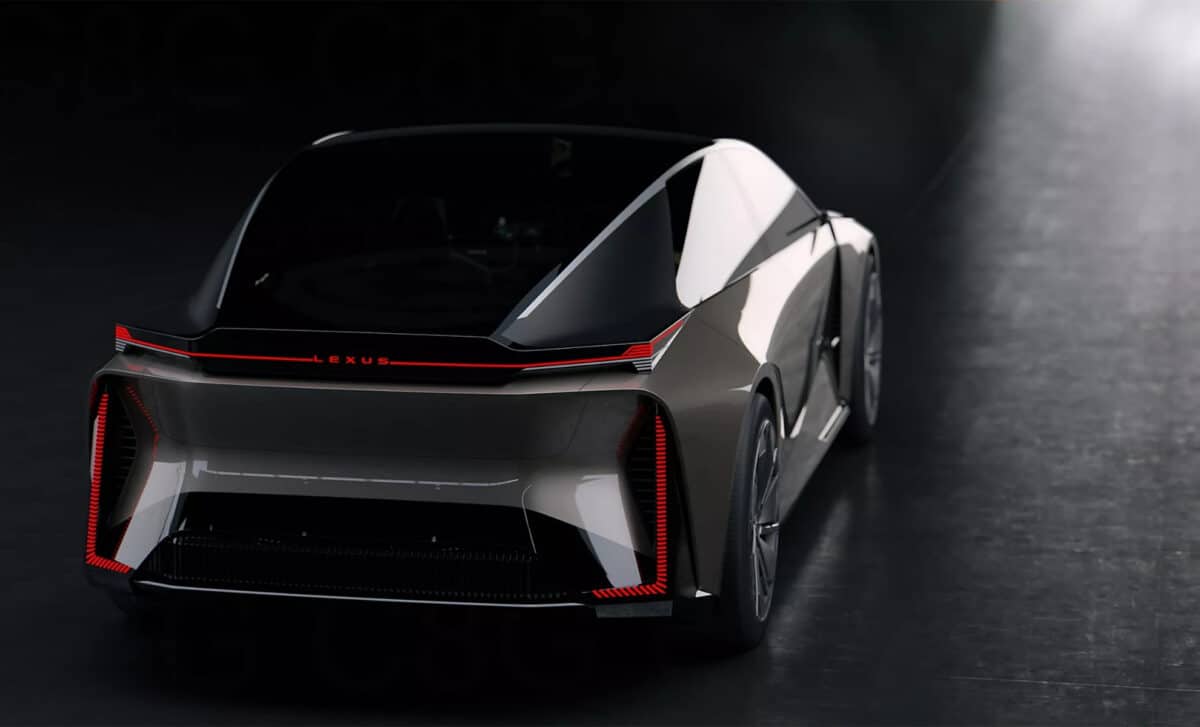
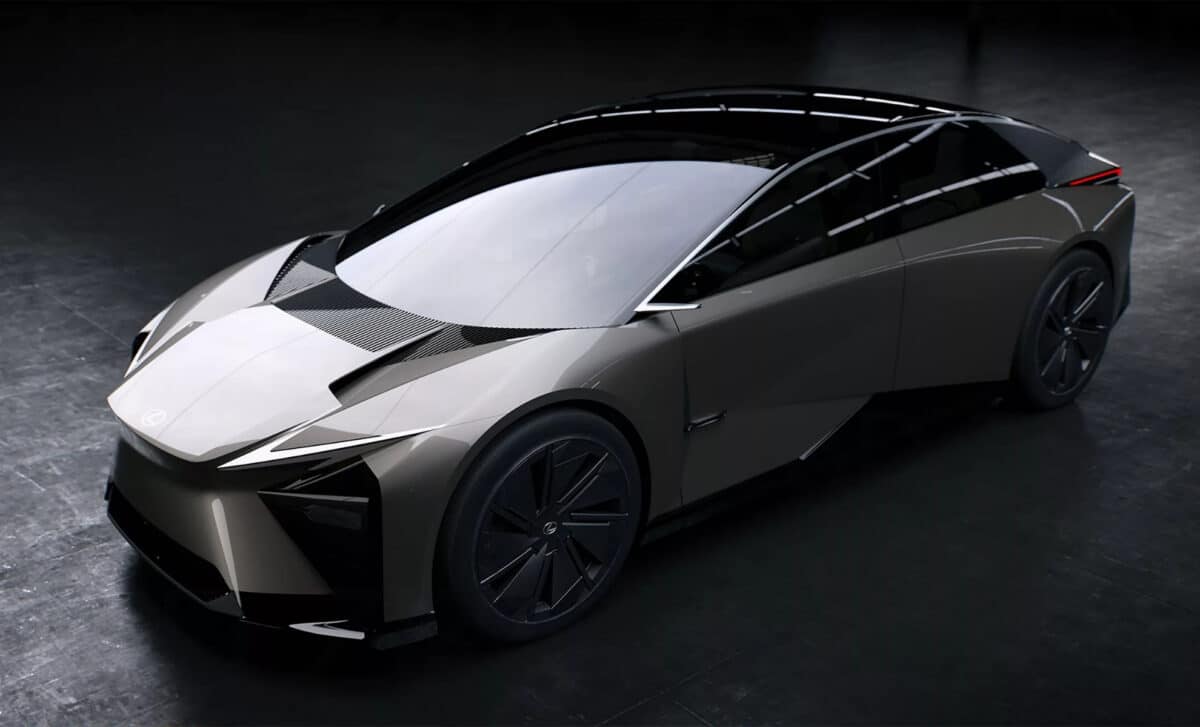
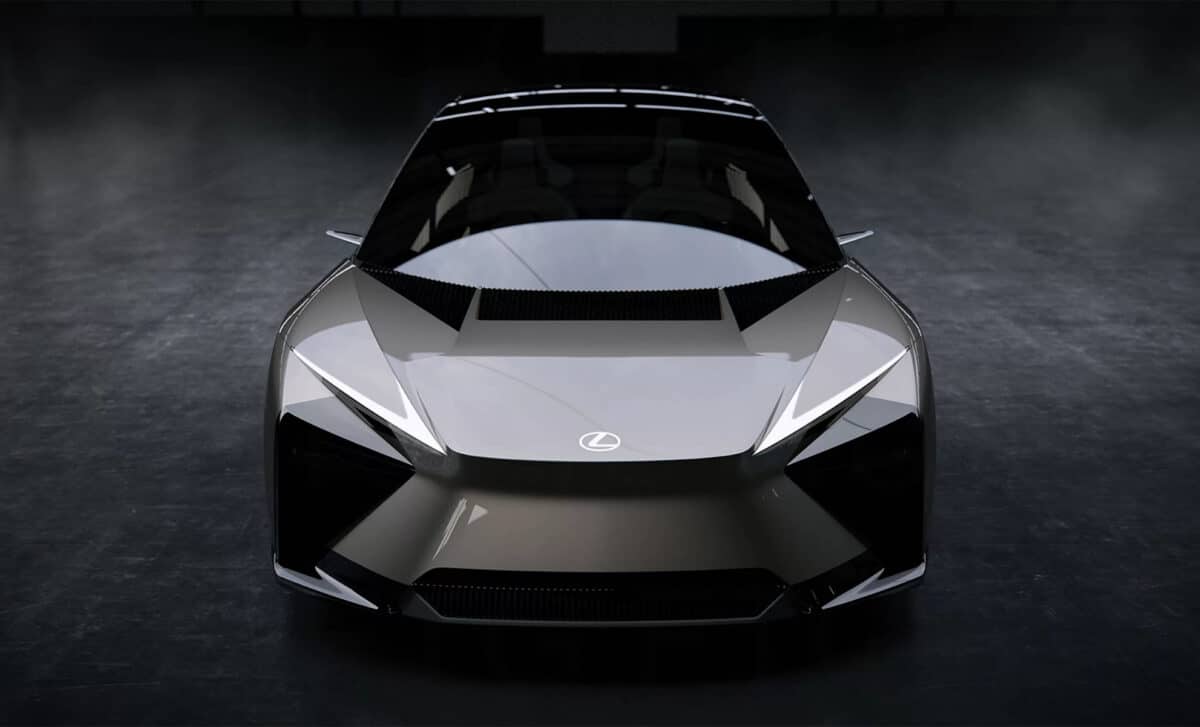
The Lexus LF-ZC concept was unveiled at the Japan Mobility Show in 2023, with Toyota saying at the time that a production version would arrive in 2026. The model was meant to introduce several advanced technologies, including gigacasting, high-performance prismatic batteries, and a new software platform called Arene OS.
The cancellation comes as Toyota continues to defend its multi-pathway strategy, which includes battery-electric vehicles, plug-in hybrids, hybrids, fuel-cell vehicles, and combustion models. At the same time, the company says it has not abandoned next-generation electric vehicles altogether.
A Flagship Lexus EV Project Is Canceled Before Production
According to Nikkei, Toyota has ended development of the Lexus LF-ZC and will instead focus on larger SUVs and other vehicles, likely including gas-powered models. The sedan had originally been scheduled for production this year, before Toyota delayed it to mid-2027.
A Toyota spokesperson confirmed to Automotive News that the project was being discontinued because of “fluctuations in market demand and the workload associated with vehicle planning and manufacturing.” The company also said the decision came as part of a broader review of vehicle development projects.
“We decided to cancel the LF-ZC development project as part of a company-wide review of vehicle development projects,” the spokesperson said. The same representative added that “the cancellation of this specific development project does not mean we have given up on developing next-generation BEVs.”
Advanced Batteries, Gigacasting, and Arene OS Will Continue
The LF-ZC was expected to use Toyota’s planned gigacasting process, a manufacturing method also associated with Tesla and other automakers. Toyota intended to split the vehicle body into three main parts: front, center, and rear. The goal was to reduce production costs.
The sedan was also supposed to use new high-performance prismatic batteries. Toyota said these would allow the vehicle to achieve about twice the driving range of traditional EVs, along with significantly faster charging speeds.
Inside, the LF-ZC was designed around a digitized Intelligent Cockpit powered by Toyota’s Arene OS software platform. The system was presented as an AI-based personal companion able to recommend routes and driving modes based on driver habits. Toyota now says it will continue advancing technologies such as gigacasting and solid-state EV batteries, while exploring the possibility of introducing another next-generation EV later.
Toyota’s EV Plans Shift as Rivals Move Faster
According to Electrek, Toyota’s EV sales rose 42% last year to 190,000 vehicles, helped by the updated bZ4X, called bZ in the United States, and low-cost electric models built in China, including the bZ3X. In the first quarter, the Toyota bZ was the third-best-selling EV in the US behind the Tesla Model Y and Model 3.
The decision also follows the recent unveiling of the 2027 Lexus TZ, Lexus’s first fully electric three-row SUV. That model is scheduled to go on sale later this year alongside the Toyota Highlander BEV.
The LF-ZC had been expected to support Toyota’s plan for Lexus to sell 1 million EVs annually by 2030 and become an EV-only brand by 2035. Its cancellation puts that strategy under renewed scrutiny, especially as Japanese automakers such as Honda and Nissan have also discontinued major EV development projects while citing changing market conditions.
Meanwhile, BYD continues to expand overseas. The Chinese automaker sold more than 160,000 vehicles abroad last month and is preparing to launch its Racco EV kei car in Japan, along with the Dolphin G DM-i plug-in hybrid designed for overseas markets such as Europe.