
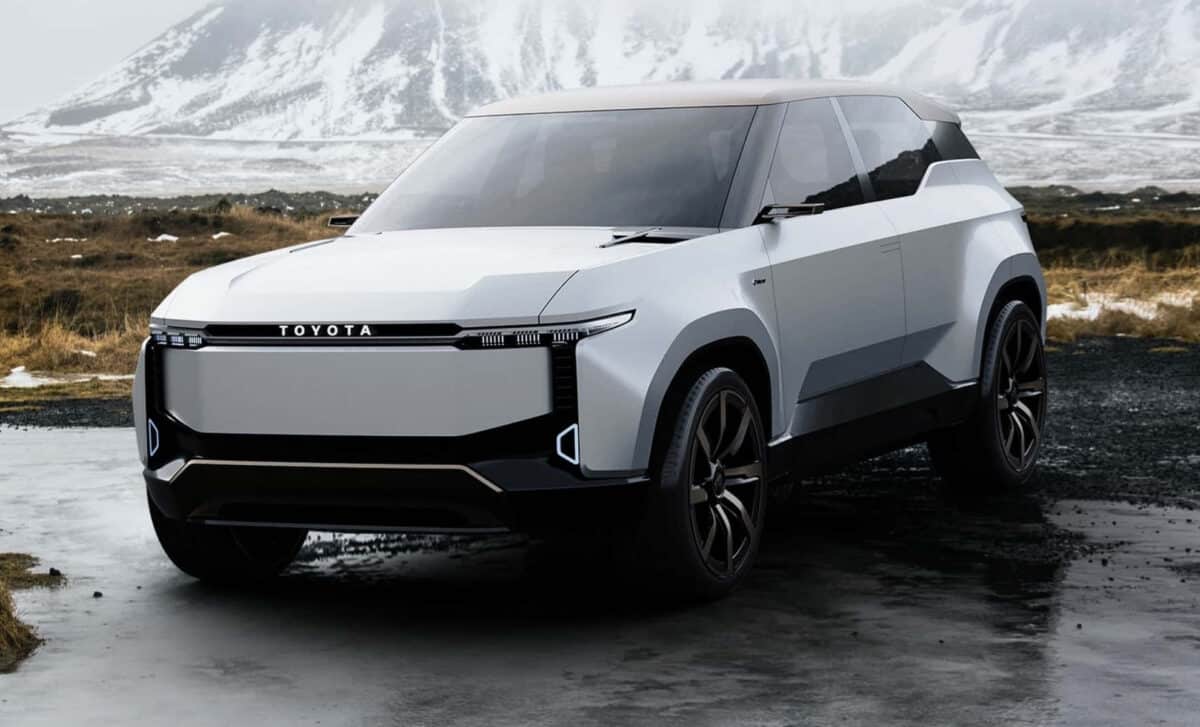
The announcement comes at a time when several legacy automakers are scaling back EV ambitions, making Toyota’s move stand out in the current industrial landscape. The Japanese manufacturer is directing significant resources toward expanding domestic production capacity while preparing new electric models for the U.S. market.
This investment also reflects a broader transformation within Toyota, a company that had long been cautious about fully embracing battery-electric vehicles. With multiple new and updated EVs already lined up for 2026, the automaker appears to be accelerating its transition.
Kentucky Plant to Produce a Second Electric Model
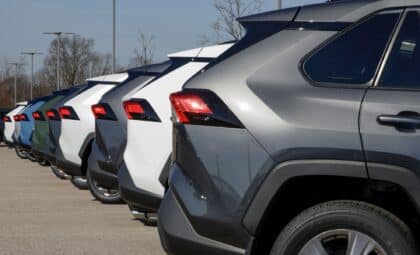
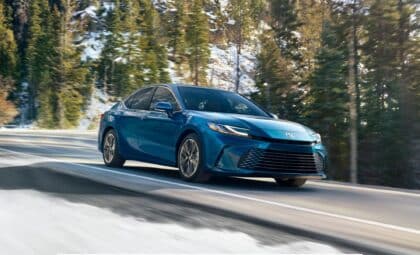
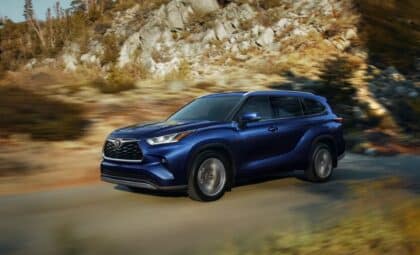
Toyota will allocate $800 million to its Georgetown, Kentucky facility, where it plans to build a second electric vehicle alongside increased production of the Camry and RAV4. According to InsideEVs, the site is already preparing to manufacture the upcoming three-row electric Highlander, which will become an EV-only nameplate once production of the current gasoline version ends later this year.
The Kentucky plant will therefore play a central role in Toyota’s U.S. EV strategy, hosting at least two electric models. While the company has not disclosed the identity of the second EV, the investment underscores its intent to expand localized EV manufacturing capacity rather than relying on imports.
The remaining $200 million of the total investment will go to Toyota’s Princeton, Indiana plant, where production of the Grand Highlander will be expanded. That facility also builds the Sienna minivan and the Lexus TX SUV.
Multiple Possibilities for the Second EV Remain Open
Toyota has not confirmed which model will become the second EV produced in Kentucky, though several possibilities have emerged. According to Reuters, upcoming U.S.-built EVs could be based on existing nameplates such as the RAV4 or Land Cruiser, citing a source familiar with the plans.
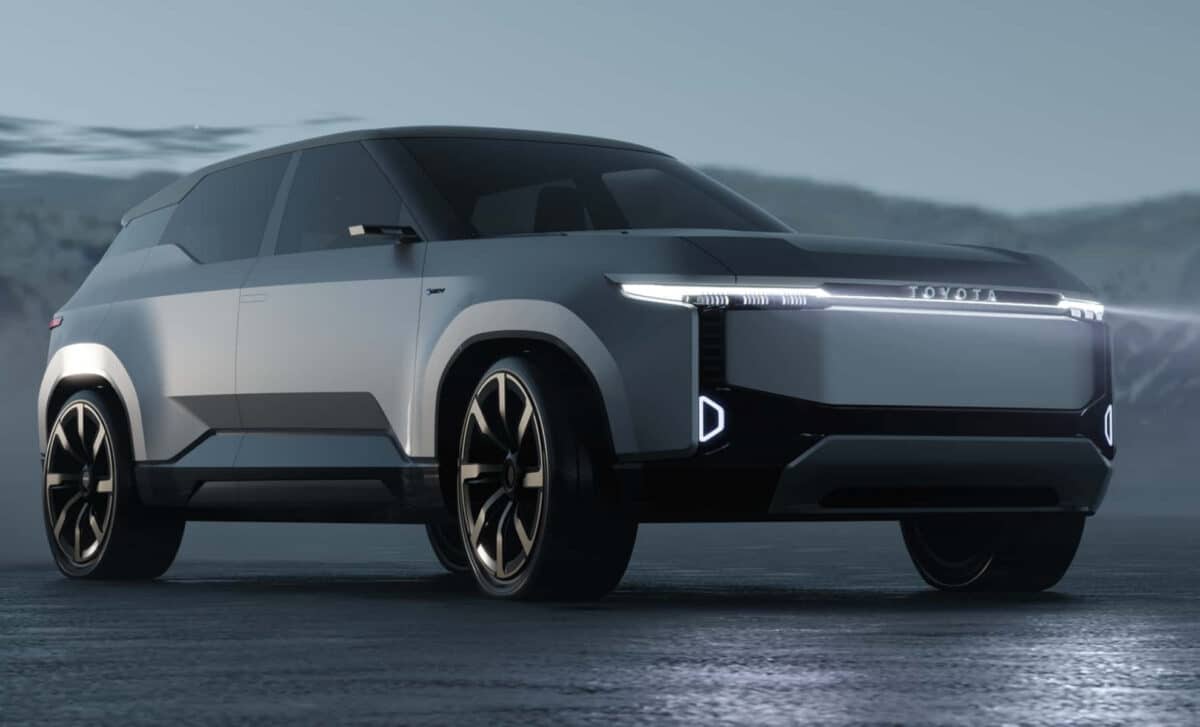
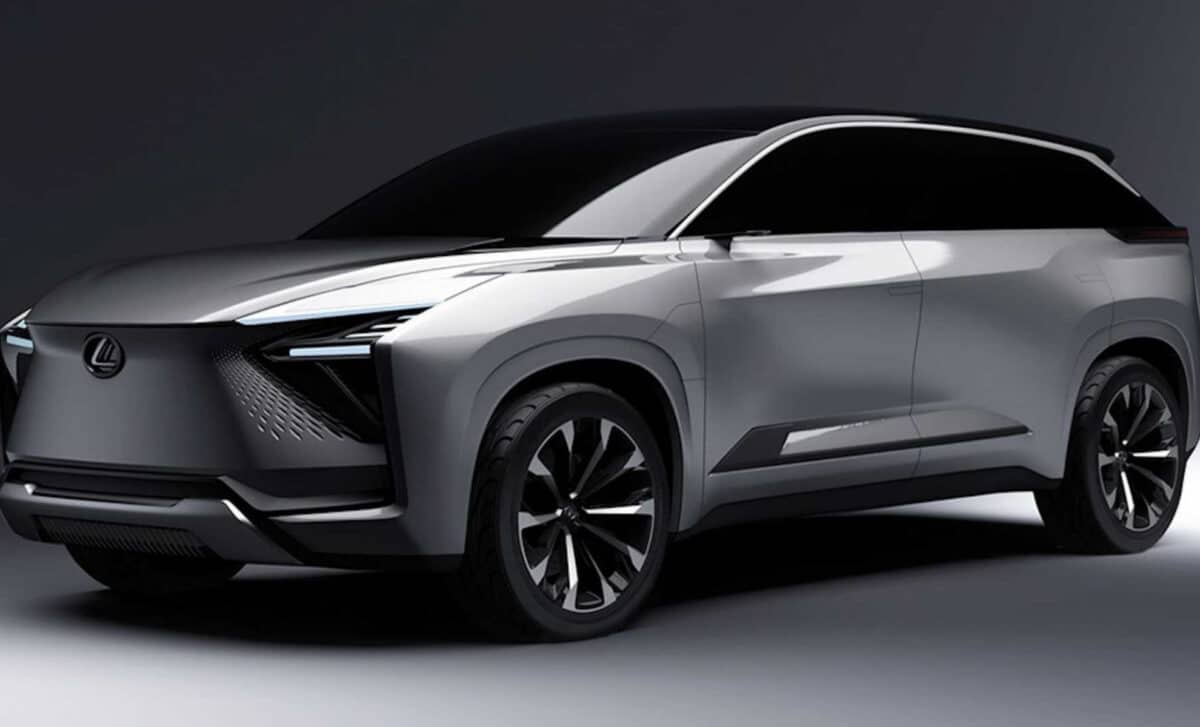
The automaker has already previewed the Land Cruiser Se concept, described as a three-row electric SUV with unibody construction and off-road capabilities. Another possibility mentioned in earlier presentations is a Lexus-branded model. At its Beyond Zero event in 2021, Toyota introduced a large Lexus Electrified Concept SUV positioned as a premium counterpart to the Highlander, targeting vehicles like the Cadillac Vistiq and Rivian R1S.
There are also indications of internal restructuring. According to Nikkei, Toyota previously planned to consolidate Lexus production in the U.S., moving ES sedan manufacturing to Japan and leaving Indiana as its primary domestic Lexus production site. This context adds uncertainty to the identity of the future Kentucky-built EV.
A Broader Shift in Toyota’s Electrification Strategy
Beyond this investment, Toyota has already begun expanding its EV lineup for the U.S. market. The company currently offers two new models and one significantly updated model for the 2026 model year.
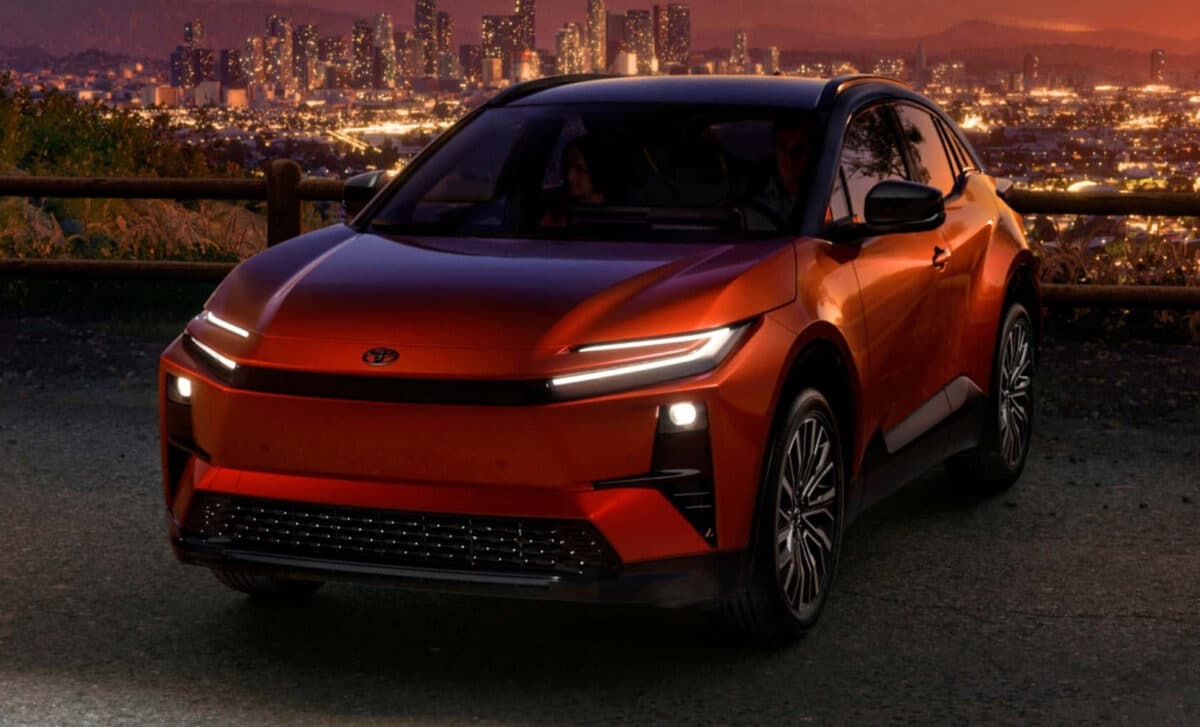
The refreshed bZ, formerly known as the bZ4X, features updated styling, improved range, faster charging, and a native NACS charging port. It is joined by the compact C-HR and the bZ Woodland wagon, which is positioned as a more adventure-oriented vehicle.
On the Lexus side, the RZ crossover has been heavily updated, while the new ES sedan will be available in both hybrid and fully electric versions. These developments illustrate a marked evolution for Toyota, which had previously been cautious about committing fully to battery-electric vehicles.
Taken together, the $1 billion investment and the expanding product lineup point to a company now moving more decisively into the EV space, even as parts of the industry adopt a more restrained approach.