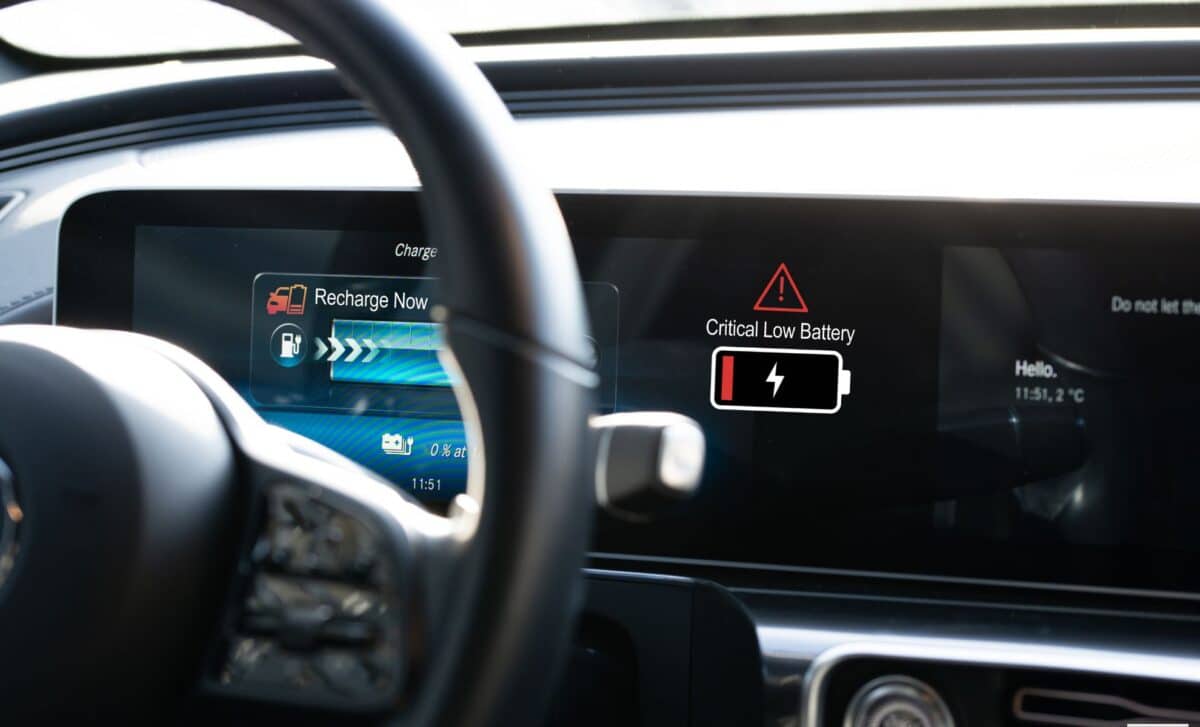
Electric cars differ significantly from combustion-engine vehicles in both design and maintenance. With fewer moving parts and systems like regenerative braking reducing wear on components, servicing needs are lower overall. The main factor keeping EV prices higher remains the cost of producing large lithium-ion battery packs, even as efforts continue to reduce cost per kilowatt-hour.
At the same time, manufacturers have invested heavily in research and development to ensure battery longevity. As EV adoption expands, data from privately owned vehicles is beginning to confirm that these systems are more durable than early skepticism suggested.
Lithium-ion Batteries Combine Efficiency With Constraints
Most electric vehicles rely on lithium-ion battery technology, which remains dominant due to its established manufacturing infrastructure. According to Car and Driver, these batteries offer higher energy density than lead-acid or nickel-metal hydride alternatives, along with low self-discharge rates of around 1 to 2 percent per month under moderate conditions.
They also require no regular maintenance and provide stable voltage even as they age. Still, the technology comes with limitations. Production is expensive, and sourcing materials like cobalt and nickel raises environmental and humanitarian concerns. Battery health is sensitive to charging habits, as full charges and full discharges can accelerate wear, while extreme temperatures can affect performance.
Automakers address these issues with software-based battery management systems that regulate temperature and charging. The Audi Q6 e-tron, for example, uses a smaller, lighter battery pack with fewer cells and reduced reliance on rare earth materials. It also incorporates a system that allows the battery to function as two virtual packs in parallel, helping reduce voltage losses.
Real-world Data Shows Gradual And Limited Degradation
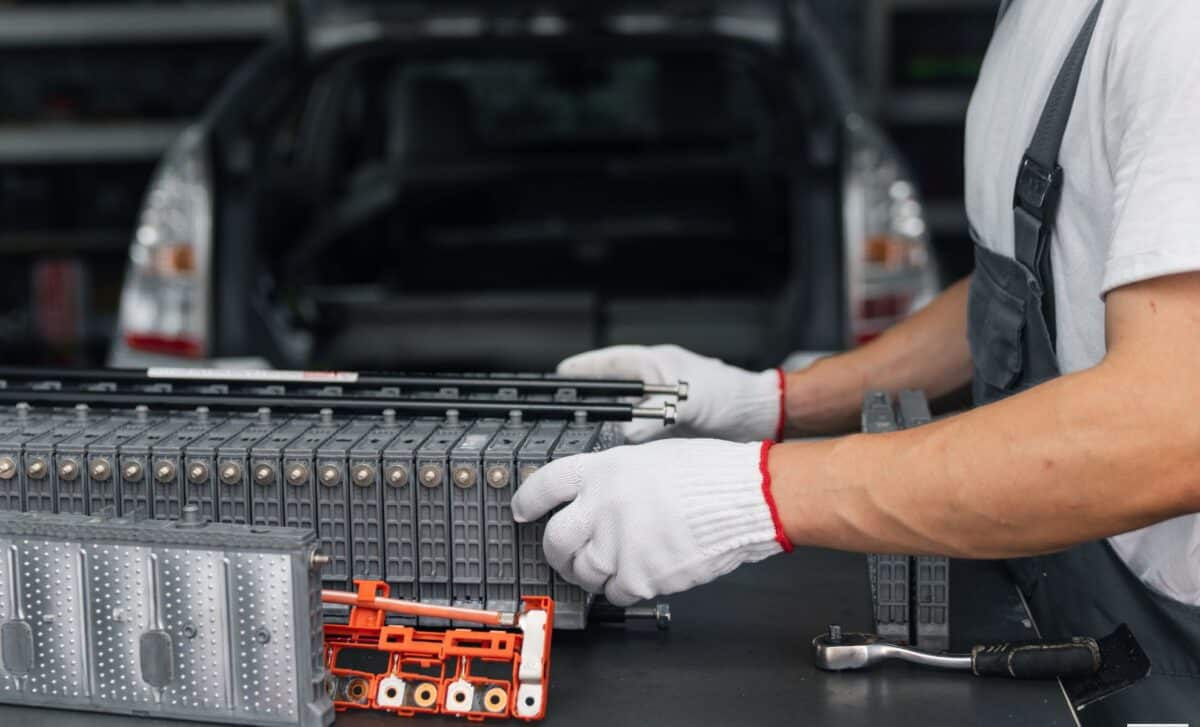
Manufacturer warranties provide a baseline for battery longevity. Most automakers offer at least eight years or 100,000 miles of coverage. Tesla extends this to between 100,000 and 150,000 miles depending on the model, guaranteeing that battery capacity will not fall below 70 percent during that period.
Real-world data aligns with these promises. A crowdsourced study of Tesla Model S vehicles found an average degradation of about 5 percent after 50,000 miles. The rate slows over time, with many vehicles retaining around 90 percent capacity even after 150,000 to 200,000 miles. A long-term Model 3 test showed roughly 6 percent degradation at 20,000 miles, with no further loss observed up to 40,000 miles.
Other manufacturers offer similar assurances. Hyundai and Kia provide 10-year, 100,000-mile warranties, also covering excessive degradation. Meanwhile, the U.S. Department of Energy estimates that EV batteries can last between 12 and 15 years in moderate climates, though this may drop to 8 to 12 years under more extreme conditions.
Safety, Maintenance, And Charging Habits Influence Lifespan
Electric vehicles must meet strict safety standards, including requirements for sealed battery enclosures and resistance to extreme conditions such as overcharging, fire, and water exposure. According to the Department of Energy, EVs are also equipped with insulated high-voltage systems that can shut down automatically in the event of a crash.
Despite high-profile incidents, EV fires are relatively rare. A Swedish study found that out of 100,000 vehicles sold, 1,530 combustion-engine cars and 3,475 hybrids caught fire, compared to just 25 electric vehicles.
Maintenance is generally simpler than with traditional cars, though EVs may wear through tires more quickly due to their weight and torque. Battery protection remains a key concern, particularly in the event of underbody impacts. The Mercedes-Benz G580 addresses this with a carbon-reinforced protective plate shielding its battery pack.
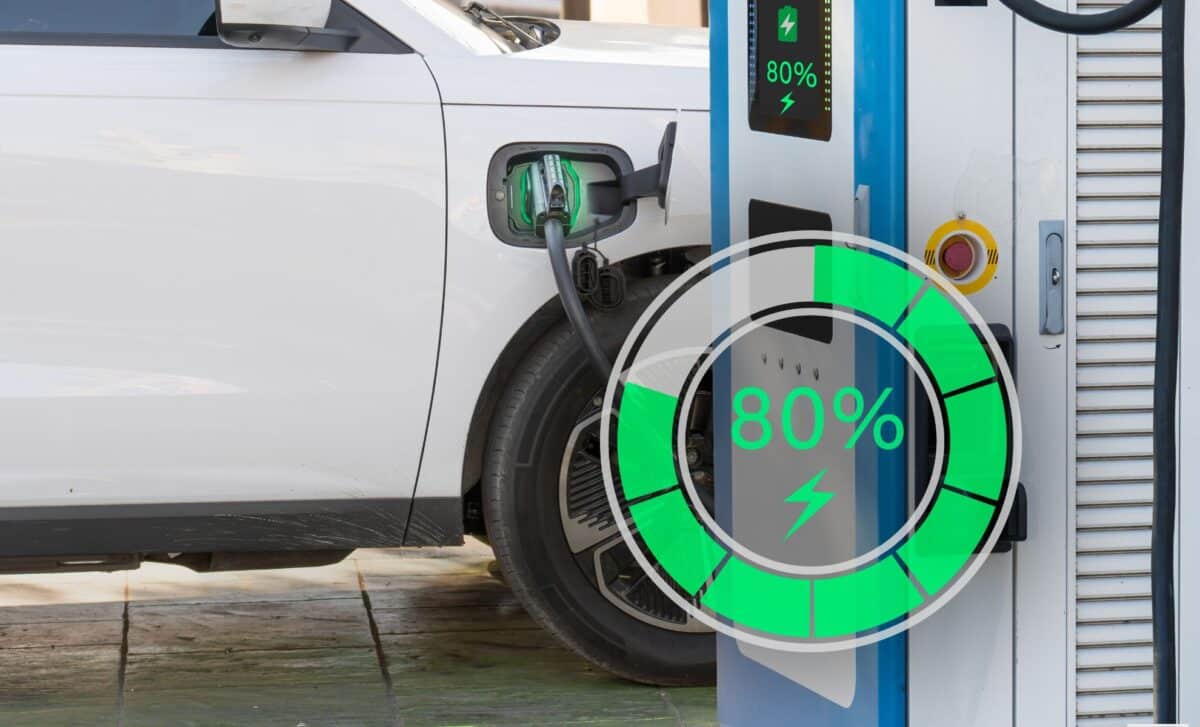
Charging behavior also plays a role. Fast charging can slightly accelerate degradation compared to slower methods, though the difference remains minimal over tens of thousands of miles. Modern EVs prevent full discharges and manage charging cycles automatically. Thermal management systems keep batteries within an optimal range of 50 to 86 degrees Fahrenheit, though maintaining this temperature can reduce driving range in extreme weather.
Taken together, these factors show that while EV batteries will eventually need replacement, they are built to deliver consistent performance over many years. By the time replacement becomes necessary, manufacturing costs may also have declined, potentially easing one of the most persistent concerns among prospective buyers.