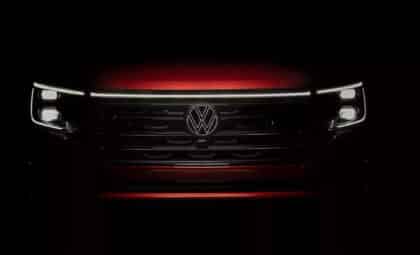

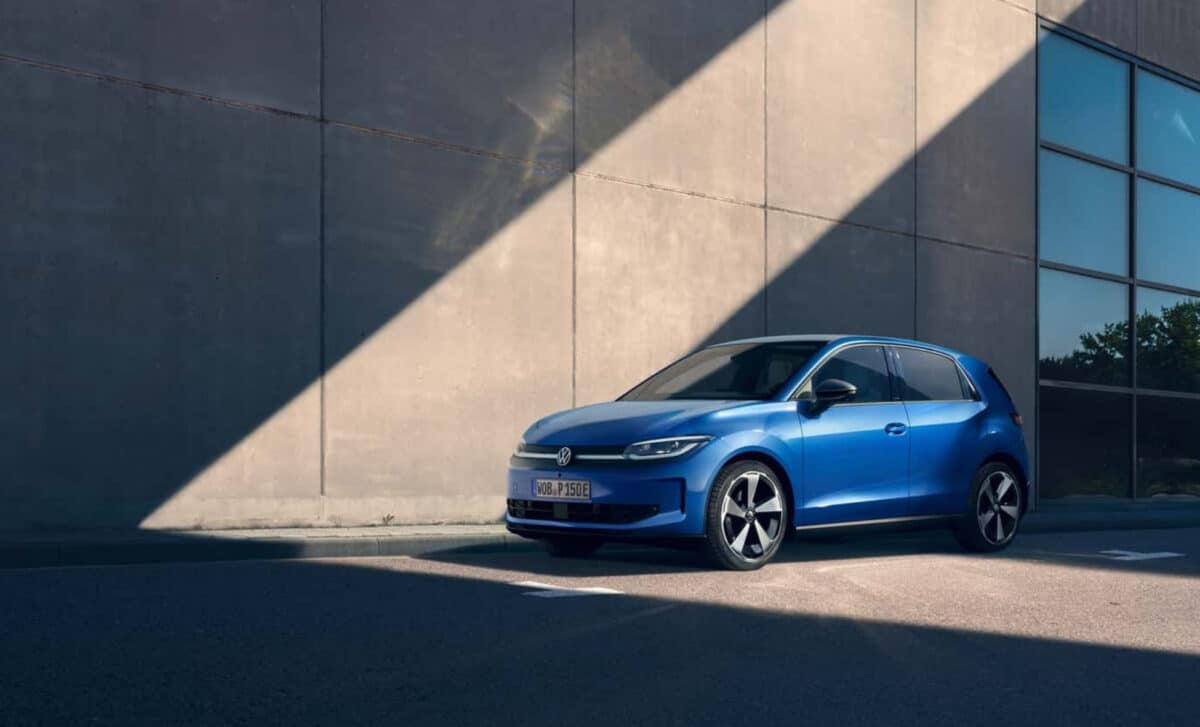
The ID. Polo arrives as a production-ready evolution of the id. 2all concept revealed three years ago. The model adopts Volkswagen’s updated naming strategy, combining familiar badges with the “id” prefix to distinguish electric vehicles from combustion-engine counterparts. The gasoline-powered polo will remain on sale alongside the new electric version.
This electric supermini is a completely new development, unrelated to previous generations despite being described as a seventh-generation model. It introduces a fresh design language under the direction of Volkswagen’s chief designer Andreas Mindt, while staying close to the concept that previewed it.
A Redesigned Exterior Aligned With Volkswagen’s New Identity
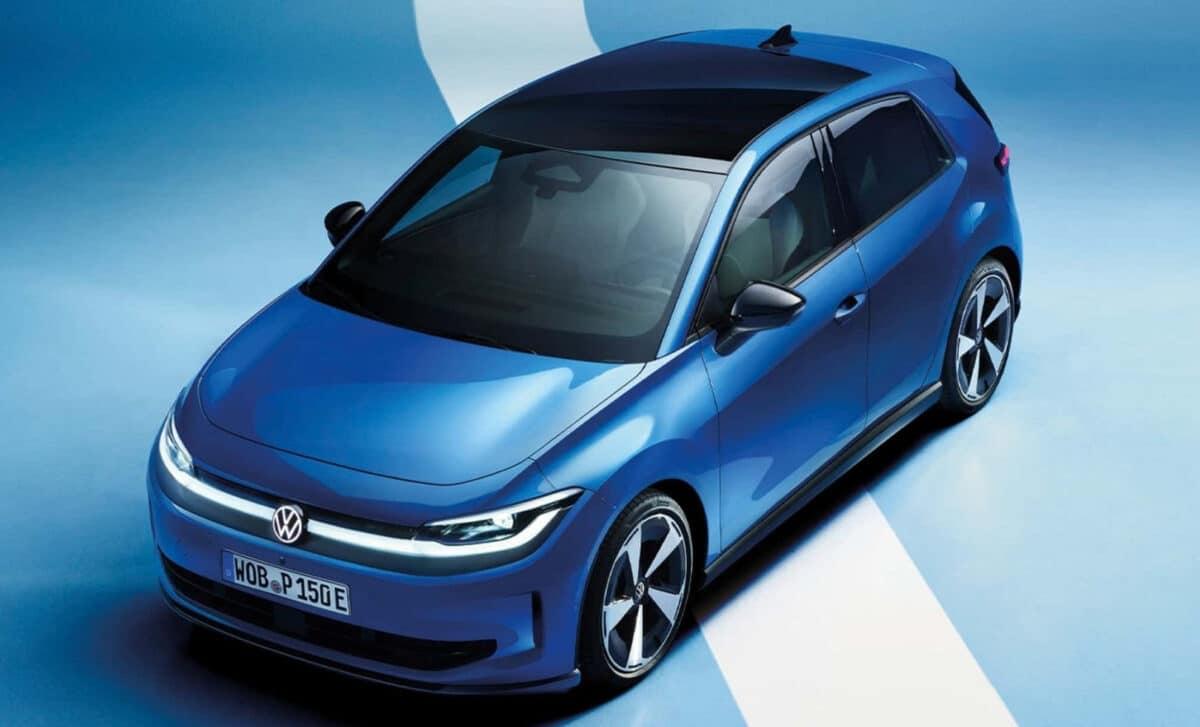
The ID. Polo features an entirely new exterior, with every body panel redesigned to reflect what Volkswagen calls its “pure positive” design philosophy. According to Motor1, the approach focuses on cleaner surfaces and reduced visual clutter, distinguishing it from more complex contemporary designs.
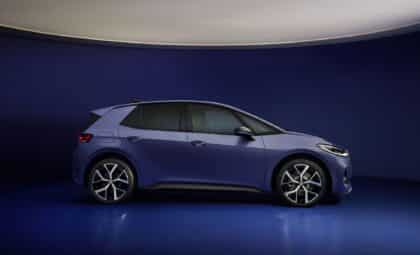
The model measures 159.5 inches (4053 mm) in length, 71.5 inches (1816 mm) in width, and 60.2 inches (1530 mm) in height. It is slightly shorter but wider and taller than the combustion-engine polo, with a wheelbase of 102.3 inches (2600 mm). Design cues include flared wheel arches, hidden rear door handles inspired by Alfa Romeo, and a C-pillar influenced by the original Golf.
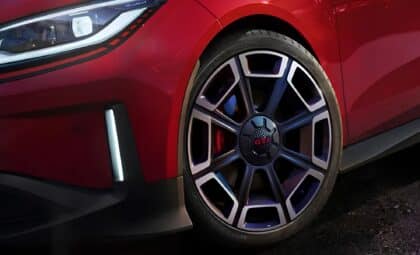
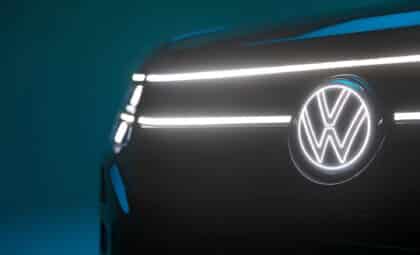
At the rear, a horizontal light bar integrated into a glass panel mirrors the concept car, with higher trims offering illuminated elements including the Volkswagen logo. Optional lighting features include taillights with a three-dimensional effect, while larger wheel options can reach up to 19 inches.
Interior Changes Prioritize Usability and Comfort
Inside, Volkswagen has revised its approach to controls, moving away from touch-sensitive interfaces. The ID. Polo replaces previous touch sliders with physical buttons for climate settings and steering wheel functions, aiming to improve usability.
The cabin includes a 10-inch digital instrument cluster and a 13-inch central touchscreen with a tablet-style layout. Additional physical elements include dedicated window switches, a rotary mirror control, and a central volume knob accessible to both front occupants.
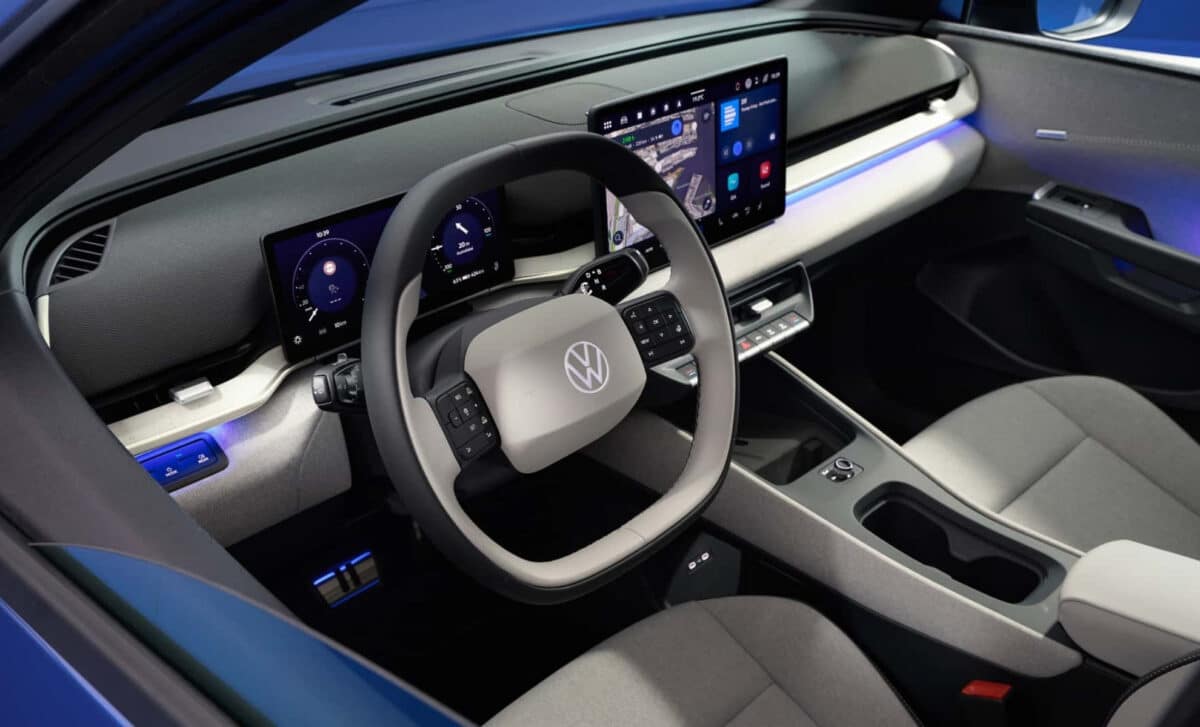
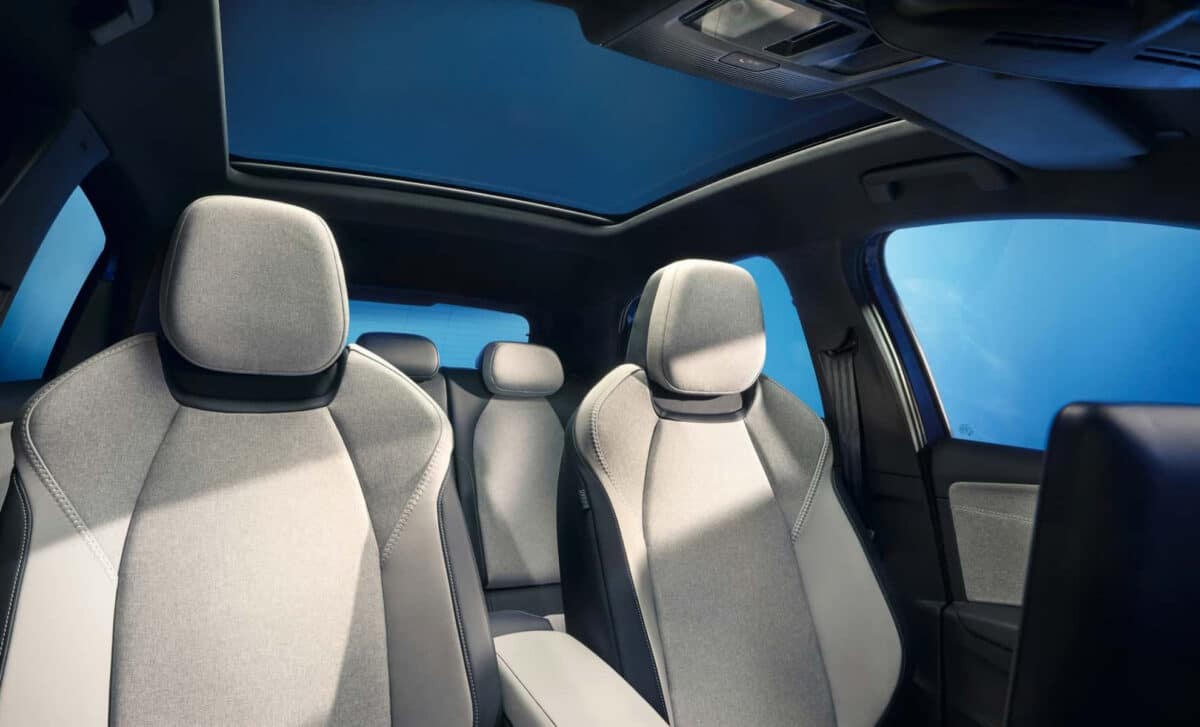
Cargo capacity reaches 15.5 cubic feet (441 liters) with the rear seats in place. Optional features include a panoramic glass roof, 12-way electrically adjustable front seats with massage and memory functions, wireless charging, rear USB ports, and a 425-watt Harman Kardon sound system with 10 speakers and a subwoofer. Ambient lighting is also available.
Electric Platform, Range, and Pricing Details
The ID. Polo is built on Volkswagen’s MEB+ platform and uses a front-wheel-drive configuration with a single motor. Output options include 114 hp, 133 hp, and 208 hp, with a 223 hp gti version planned later in the year. The model offers two battery choices: a 37 kWh LFP pack with a range of 204 miles (329 km), and a 52 kWh NMC battery capable of up to 283 miles (455 km).
Charging performance varies by battery size. The smaller pack supports DC charging at up to 90 kW, enabling a 10 to 80 percent charge in approximately 27 minutes. The larger battery increases this to 105 kW, reducing the time to 24 minutes. The vehicle also includes vehicle-to-load capability with an output of up to 3.6 kW.
Suspension consists of a MacPherson setup at the front and a torsion beam at the rear, engineered specifically for this model to enhance comfort and reduce noise. Weight ranges from 3,457 pounds (1,568 kg) to 3,474 pounds (1,576 kg), depending on battery choice.
Volkswagen will begin taking orders in Europe this week, with a starting price in Germany of €24,995 (approximately $26,800). A more affordable electric model is planned for 2027, expected to start at around €20,000 (about $21,500).