

The increase has unfolded over recent months and is arriving at a moment when seasonal road travel traditionally intensifies. The latest figures show that prices continue to edge upward week after week while remaining well above year-ago levels. According to AAA data, the national average price for a gallon of regular gasoline reached $4.56 as of Thursday, up three cents from the previous week’s average of $4.53.
Compared with April, prices have risen by roughly 50 cents per gallon. One year earlier, the national average stood at $3.18. The current surge recalls the last major price spike in 2022, when average gasoline prices exceeded $5 per gallon nationally. At present, domestic gasoline demand has increased slightly while domestic supply has declined.
West Coast States Continue To Post The Highest Gasoline Prices
Although the national average has crossed the $4 threshold everywhere in the country, regional differences remain significant, according to Car and Driver, citing AAA data.
California recorded the highest average gasoline price at $6.14 per gallon. Washington followed at $5.64, while Oregon reached $5.35. Hawaï and Alaska also ranked among the most expensive states for drivers, posting averages of $5.64 and $5.27 per gallon respectively.
At the other end of the scale, some southern states remained comparatively lower, though still above $4 per gallon. Mississippi, Georgia, Louisiana, and Texas all reported average prices slightly above that level.
Travelers attending events over Memorial Day weekend were not spared. Indiana’s statewide average stood at $4.04 per gallon, a detail highlighted for those driving to and from the Indianapolis 500.
Electric Vehicle Charging Costs Remain Comparatively Stable
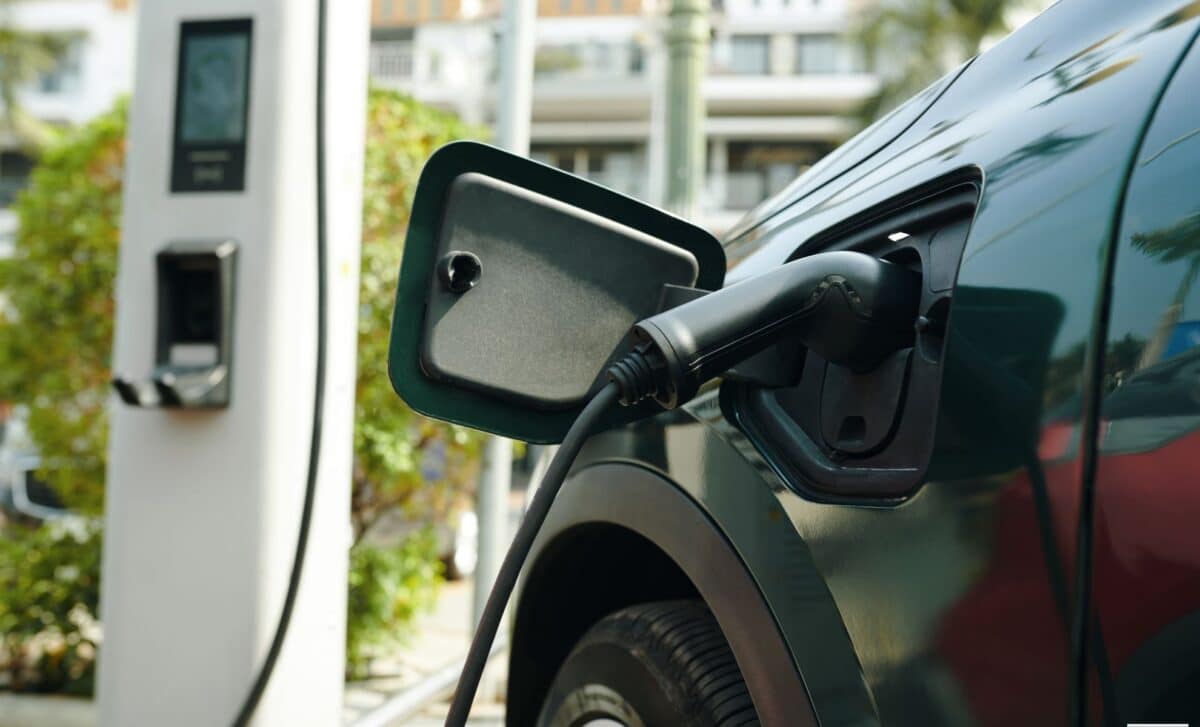
While gasoline prices continue to rise, electric vehicle charging costs have remained largely unchanged. The national average cost at public charging stations held steady at 41 cents per kilowatt-hour. Residential charging prices remained lower, averaging 18 cents per kilowatt-hour across the country.
The difference in operating costs has not yet translated into a major shift in U.S. new electric vehicle sales. At the same time, the used EV market has become more active. A growing supply of off-lease electric vehicles has contributed to lower prices, making entry into the segment more affordable.
Households that own both an electric vehicle and a gasoline-powered vehicle may increasingly favor battery-electric driving for routine trips.
Drivers Turn To Efficiency Measures As Relief Remains Absent
With fuel costs remaining elevated, attention has shifted toward reducing consumption rather than avoiding higher prices altogether.
Several straightforward driving habits may help stretch a tank further. Drivers are encouraged to avoid rapid acceleration from stoplights and maintain moderate highway speeds.
Vehicle maintenance also plays a role. Tire pressure, often overlooked, can influence fuel efficiency. Checking recommended tire pressures listed on the vehicle door jamb and ensuring tires remain properly inflated may help reduce unnecessary fuel consumption.
AAA expects fuel prices to remain elevated in the near term, adding pressure to summer travel budgets as the busy driving season begins.