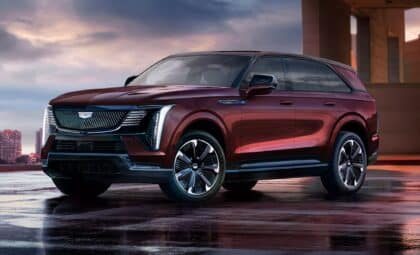
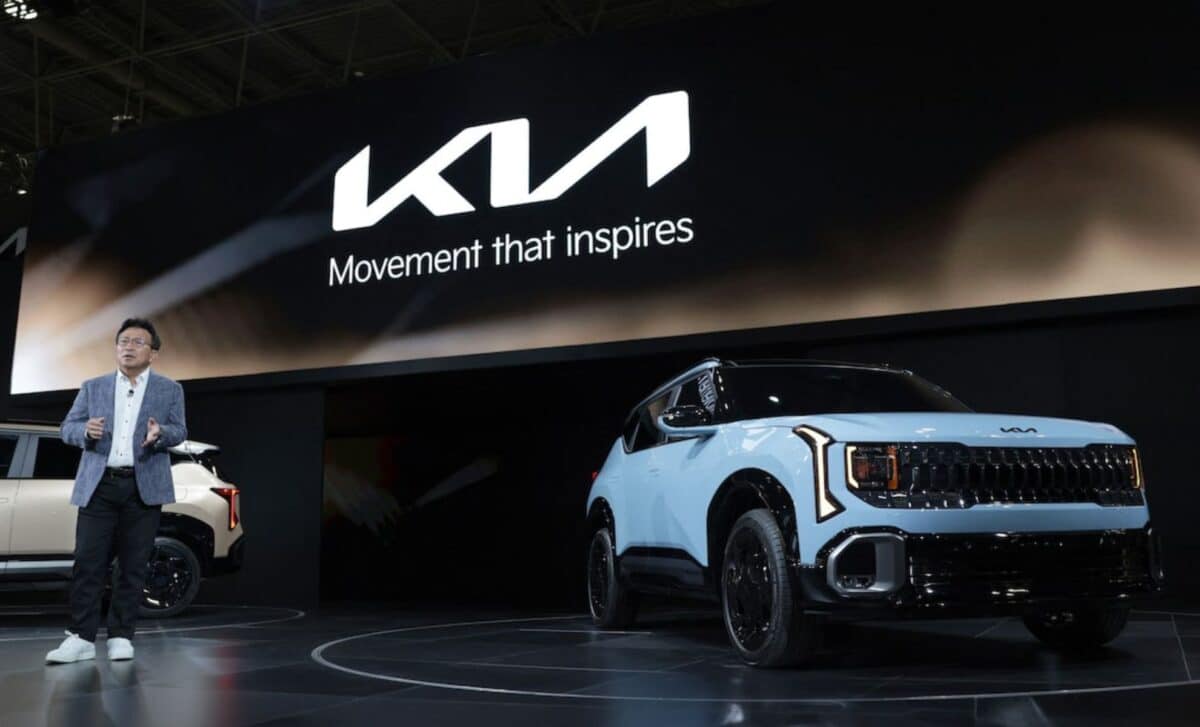
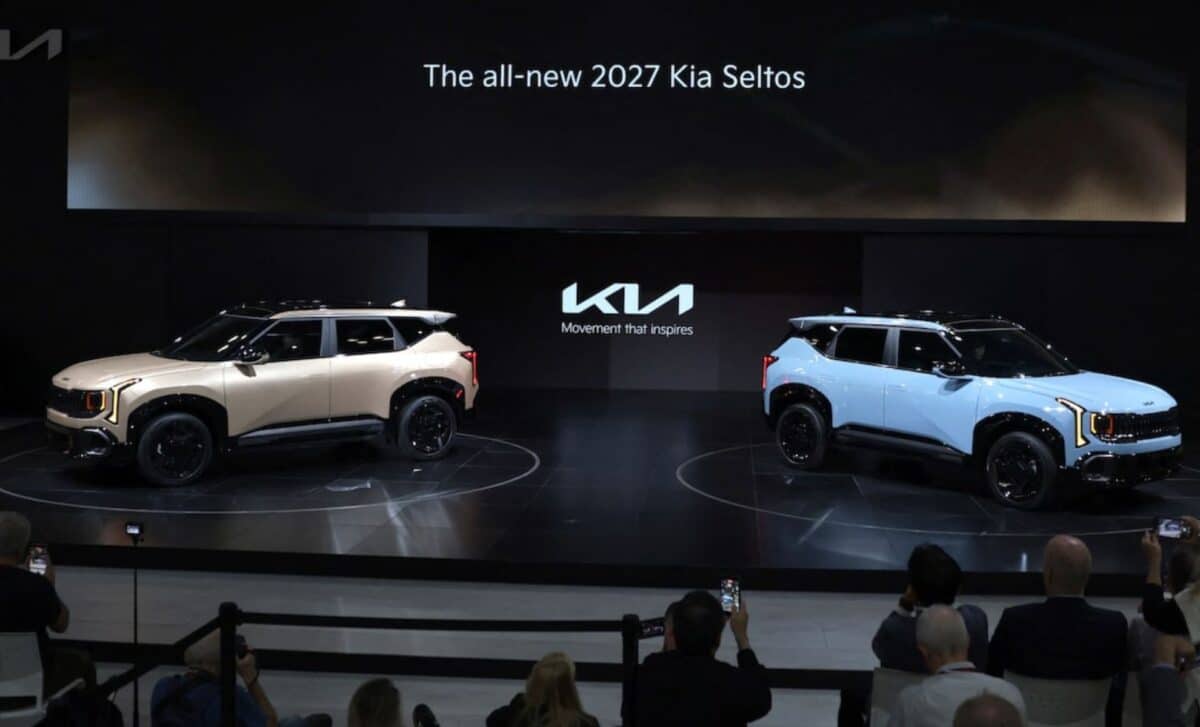
At the New York Auto Show on April 1, major automakers revealed new electric vehicles (EVs) amid a U.S. market struggling with sluggish sales. The sector faces a sharp downturn after the expiration of the $7,500 federal EV tax credit, but higher gasoline prices are sparking renewed consumer interest in electric cars.
Kia and Subaru were among the automakers showcasing new models, signaling their continued investment in the electric future. However, the road ahead for EV adoption is proving more difficult than expected, with sales figures lagging and industry leaders adjusting their expectations for the market’s recovery.
Kia’s Affordable EV3 Aims for U.S. Consumers
Kia has announced that it will begin selling its new, lower-priced EV3 in the United States later this year. The affordable electric vehicle is part of Kia’s strategy to make electric cars more accessible to a wider range of consumers. The EV3 will provide an alternative to pricier models and help drive broader EV adoption.
Meanwhile, Subaru introduced a new family-friendly electric vehicle, the “Getaway.” This three-row SUV can seat seven passengers and is expected to go on sale later this year , marking Subaru’s fourth EV model in the U.S. The automaker aims to attract families with a more versatile, electric alternative to traditional gas-powered SUVs.
EV Sales Decline After Tax Credit Expiry
Sales of electric vehicles in the U.S. have been significantly impacted by the expiration of the $7,500 federal tax credit. The Alliance for Automotive Innovation affirms that EV sales dropped from 9.6% of all vehicle sales in 2025 to just 6.5% in the last quarter of the year, the lowest since early 2022, according to Reuters.
Nissan Americas Chairman Christian Meunier explained that demand for EVs had “disappeared” after the tax credit ended, noting that much of the previous market activity had been driven by “very heavy incentives.” This sharp decline in sales reflects the difficulty automakers face in transitioning to a sustainable EV market without government support.
Market Shifts Lead To Adjusted Strategies
Despite the decline in sales, some automakers are optimistic about the future of electric vehicles, largely due to recent fluctuations in fuel prices. Hyundai Motor CEO Jose Munoz noted that rising fuel costs, particularly in California, have spurred a trend toward increased EV sales. According to Munoz, the shift is driven by market conditions rather than regulatory pressure. Hyundai has adjusted its strategy, adding more hybrid models to its production plans. Toyota also remains committed to the EV market, with plans to introduce three new electric models in the U.S. this year. However, Toyota’s General Manager, David Christ, acknowledged that while fuel prices might provide a boost, the market is unlikely to return to the levels seen when tax incentives were in place.
The future of the U.S. EV market remains uncertain, with the expiration of the tax credit presenting a significant challenge. While automakers like Kia and Subaru continue to launch new models aimed at diversifying the electric vehicle market, the industry must navigate a slower recovery than originally expected. Rising fuel prices may offer some relief, but the road to widespread EV adoption is likely to remain a gradual process.