


The issue is particularly common in urban use, where repeated short trips prevent the engine from reaching the temperatures required for the self-cleaning of several mechanical parts. Fuel quality, maintenance routines and driving habits all play a role in limiting the phenomenon.
Diesel engines were originally designed for long-distance driving. Yet a large number of owners now use them mainly for short journeys around town. This mismatch between design and use can encourage the accumulation of deposits throughout the engine system.
Several simple measures can help reduce the risk of clogging and support the proper functioning of components such as the particulate filter, injectors, turbocharger and EGR valve.
Short Urban Trips Remain the Main Cause of Engine Clogging
The formation of carbon deposits is closely linked to operating temperature. During short trips, the engine often does not have enough time to warm up fully, preventing it from burning off particles generated during combustion.
According to L’Auto-Journal, this situation can lead to the gradual clogging of several important components. The diesel particulate filter, turbocharger, injectors and EGR valve are among the parts most exposed to this problem.
Diesel engines need to reach a sufficient temperature during use to allow these components to “clean themselves” naturally. When this does not happen, unburned fuel particles can accumulate and form soot deposits that progressively affect different areas of the engine.
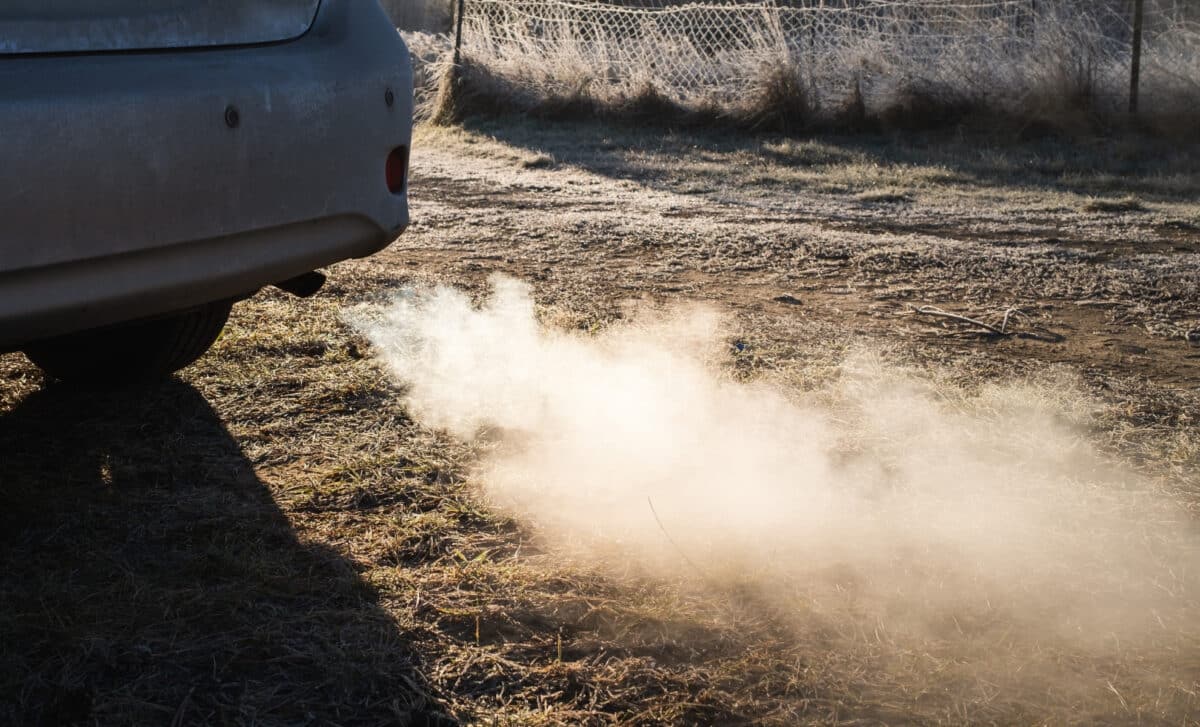
Several Warning Signs Can Reveal Excessive Carbon Deposits
A clogged diesel engine may display a number of symptoms that drivers can identify during everyday use.
Thick blue smoke coming from the exhaust can be one indication that deposits have accumulated within the engine system. Starting difficulties may also occur.
Fuel consumption can also increase noticeably. These signs are associated with the gradual buildup of soot and deposits caused by incomplete combustion and insufficient engine temperature during repeated short journeys.
Fuel Quality, Maintenance and Highway Driving Can Help Limit Deposits
To reduce the risk of clogging, drivers are advised to use high-quality diesel fuel purchased from reliable service stations. Poor-quality or adulterated diesel may contain impurities capable of generating deposits inside the engine.
Regular maintenance is also highlighted as a key measure. Drivers are advised to perform oil changes at the recommended intervals and to follow the manufacturer’s instructions regarding engine oil and oil filter replacement.
Suitable additives may also help clean injectors and limit the buildup of deposits on intake valves, provided they are approved by the manufacturer or specifically intended for diesel engines.
Another recommendation is to avoid relying exclusively on short urban trips. Carrying out longer motorway journeys and occasionally operating the engine under full load can help remove deposits accumulated in the particulate filter. The publication also recalls that a diesel vehicle is generally advised to cover between 20,000 and 25,000 kilometres per year.