
C
Volkswagen finds itself in an unusual position in the U.S. automotive market. While rivals such as Toyota and Hyundai have expanded their hybrid offerings as consumer interest remains strong, Volkswagen has yet to introduce a single hybrid vehicle for American buyers.
The issue has become more visible as hybrid technology gains ground across the industry. Volkswagen executives recognize both customer and dealer demand for hybrids, even as the company works through the manufacturing and development requirements needed to bring those vehicles to market.
Volkswagen Faces Production and Supply-Chain Hurdles
Volkswagen’s main challenge is not a lack of interest in hybrid technology but the complexity of preparing production in North America. According to Automotive News, the company is seeking to localize key components, including batteries and gearboxes, before launching hybrid models in the United States.
That effort requires suppliers to expand tooling and manufacturing capacity. Hybrid powertrains must also undergo testing and validation to ensure they meet U.S. market requirements. These steps are part of the process currently slowing Volkswagen’s hybrid rollout.
Volkswagen Group of America CEO Pablo Di Si stated the company’s urgency clearly through comments reported by Automotive News. “We would like to have them [hybrids] yesterday,” said Gruner. “That’s our customer feedback and very clear dealer feedback. Yes, we hear you. We accelerate as much as possible.”
Hybrids Are Planned for Volkswagen’s Crossover Lineup
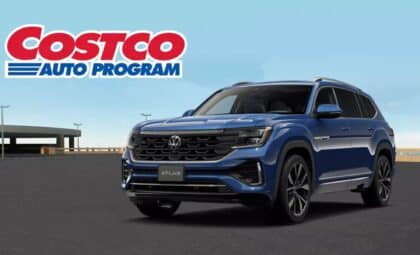
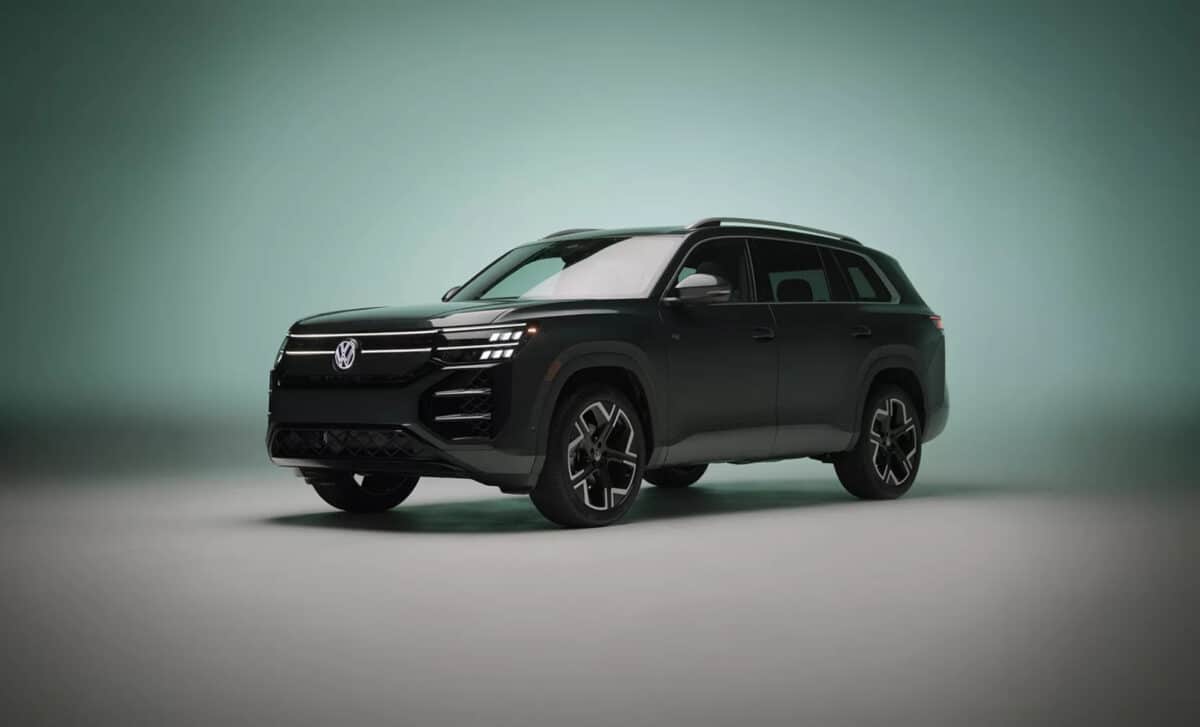
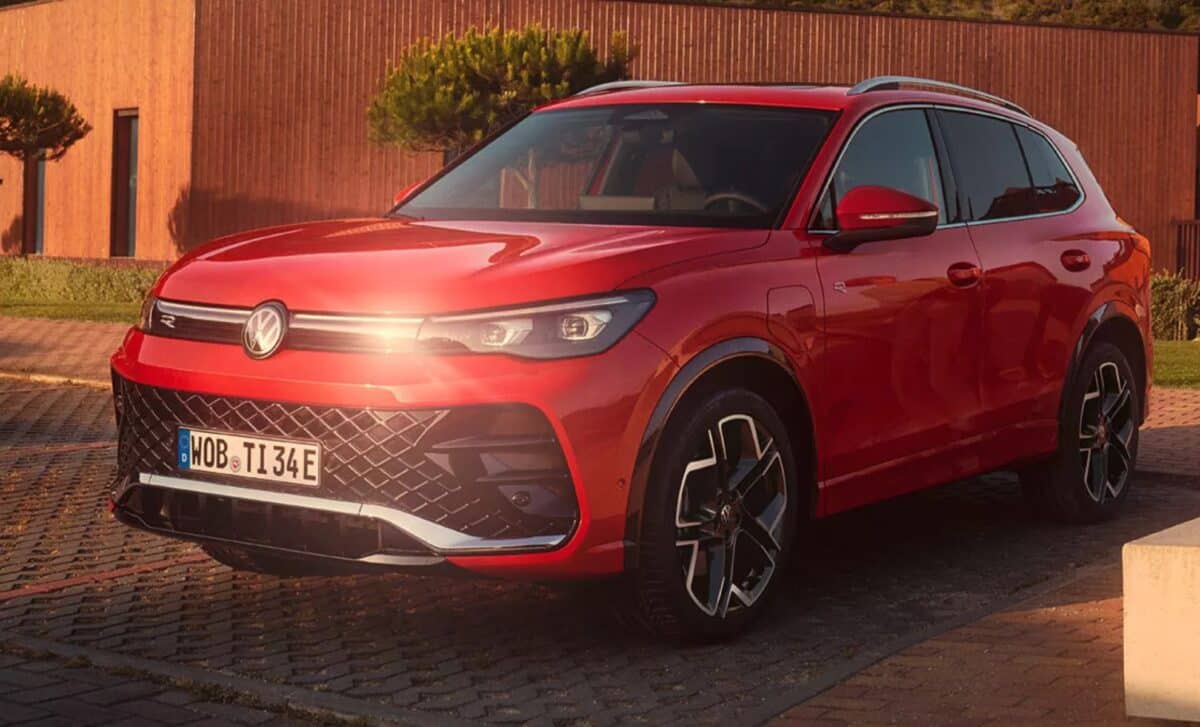
Volkswagen intends to introduce hybrid systems across several of its most important crossover models. The planned vehicles include the Tiguan, Atlas, and Atlas Cross Sport.
These hybrid powertrains are expected to arrive during the models’ mid-cycle refreshes, with introductions likely before the end of the decade. The Atlas and Atlas Cross Sport hybrid variants are scheduled for production in Chattanooga, Tennessee.
The Tiguan hybrid could be assembled in Mexico. Such a decision could expose the model to tariffs depending on future trade policies. At the same time, Mexican production could help Volkswagen offset higher manufacturing and labor costs associated with building the vehicle in the United States.
The growing importance of hybrids is evident across the broader market. Toyota’s RAV4, for example, is now offered exclusively with hybrid powertrains in the U.S.
Volkswagen Adjusts After an EV-Focused Strategy
Volkswagen previously placed significant emphasis on electric vehicles in the American market. At the time, growing EV demand appeared to support that approach.
That strategy has since lost momentum. The source notes that changing policies have shifted from strongly favoring electric vehicles to becoming more technology-neutral, giving consumers greater freedom to choose the powertrain that best suits their needs.
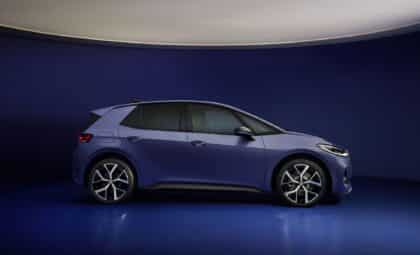
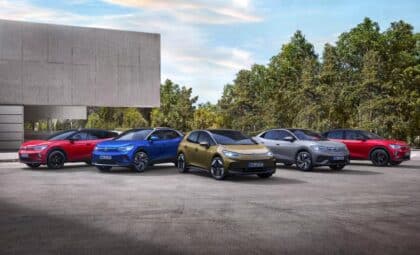
Volkswagen’s current U.S. electric lineup is limited to the ID.4. The ID. Buzz has skipped the 2026 model year and is expected to return for 2027.
The company is also making changes elsewhere in its product strategy. Volkswagen’s decision to move Golf production from Germany to Mexico could create an opportunity for more affordable variants aimed at American buyers, potentially helping the brand increase sales volume.