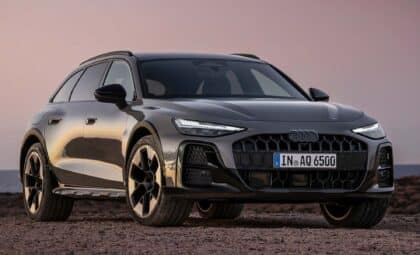

First introduced in the United States in 2007, the Q7 has remained one of Audi’s core SUV offerings. The second-generation model, which received a major update in 2016, benefited from revised styling, updated technology, and new engines that helped strengthen its market position.
For its third generation, Audi has focused on areas that extend beyond exterior styling. The new Q7 combines redesigned lighting systems, higher-end interior materials, and performance upgrades across the lineup. Production will continue at Audi’s Bratislava plant, where every Q7 generation has been built since the first model entered production in 2005.
Audi Brings Adaptive Digital Matrix Led Headlights to the U.S.
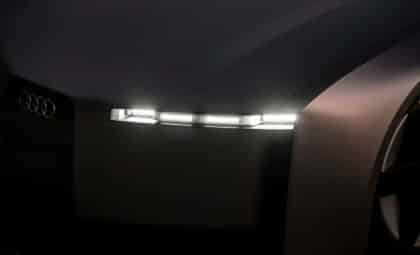
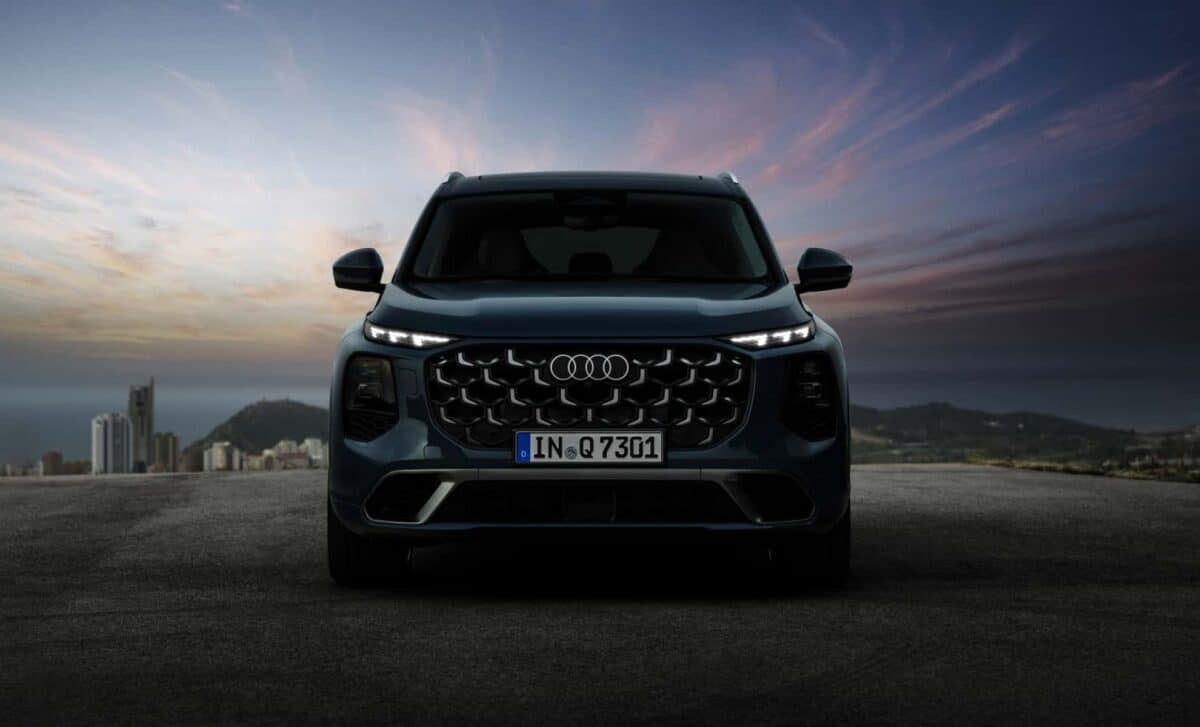
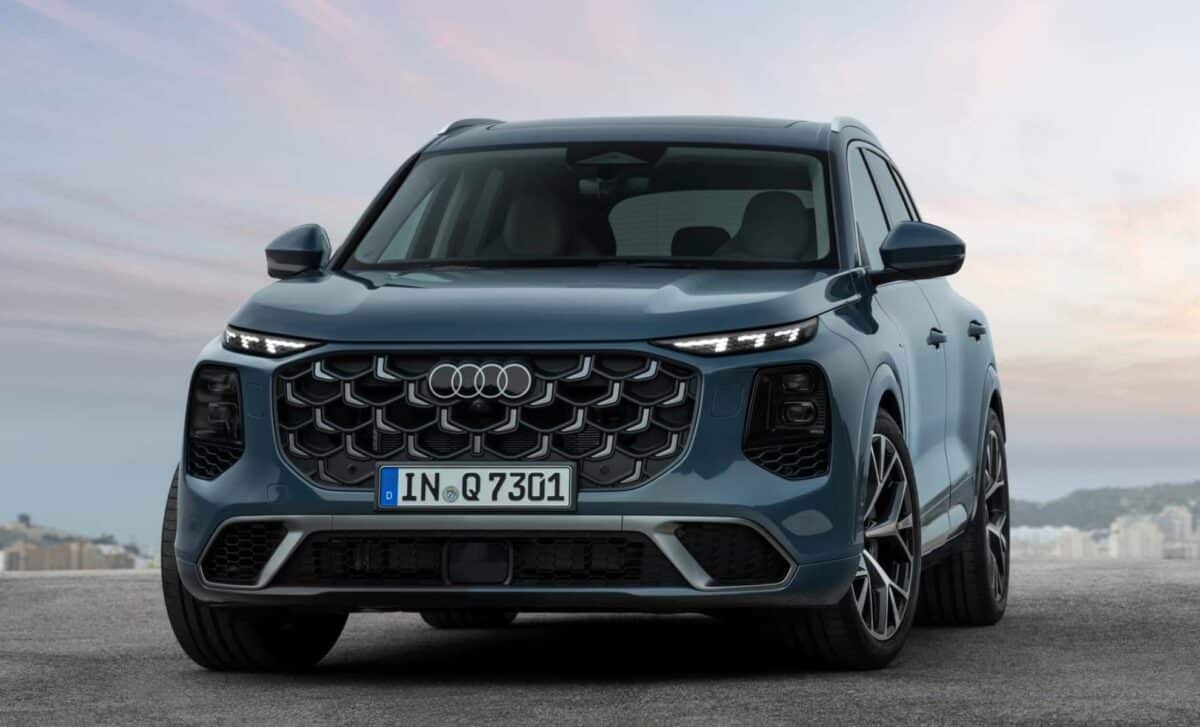
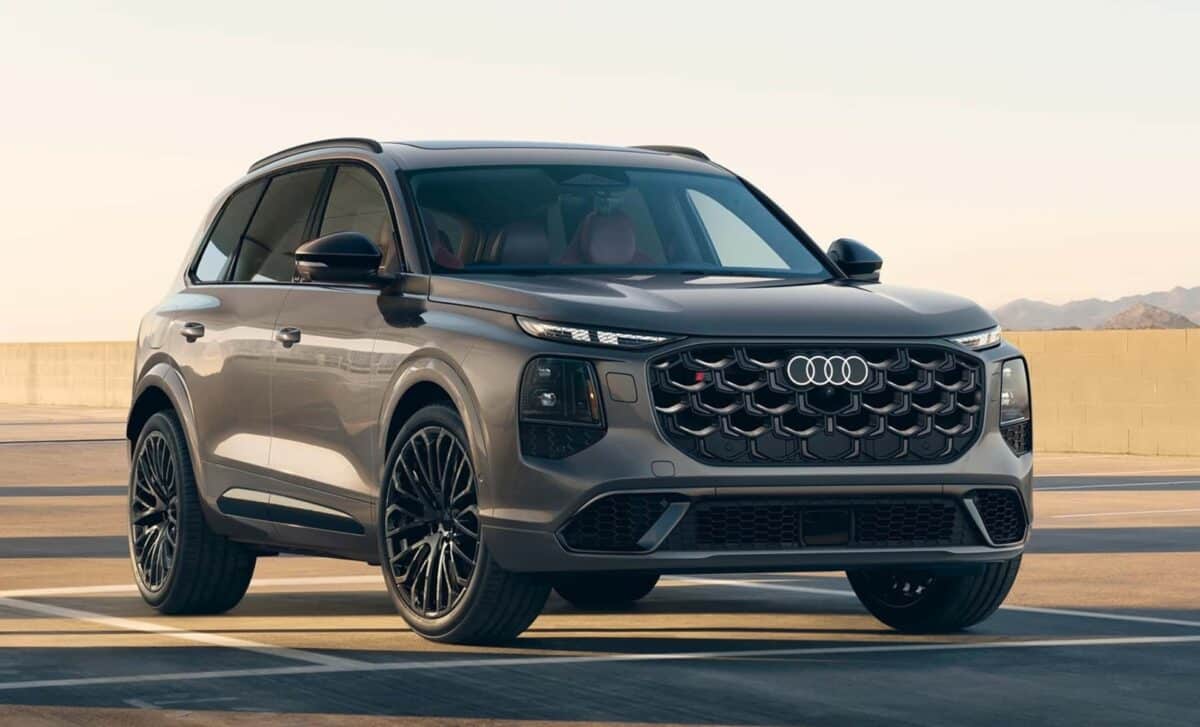
The most notable innovation on the new Q7 may be its lighting technology. Up front, the SUV features Digital Matrix LED headlights equipped with adaptive driving beam capability.
According to Motor1, this is the first time Audi has introduced this technology in the United States. The system continuously adjusts the high-beam pattern, allowing drivers to maintain maximum visibility while reducing glare for oncoming traffic.
The lighting updates extend to the rear of the vehicle. Owners can choose from eight different digital taillight signatures, while the turn signals project a pattern onto the ground when activated.
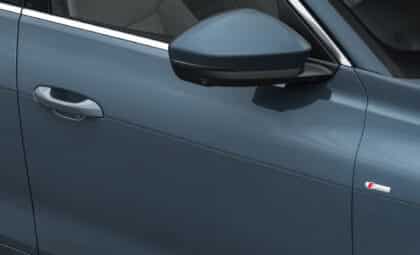
Audi has also incorporated illumination technology into the side markers. The company’s design team paired these features with a body shape that adopts a cleaner approach, moving away from the heavily creased surfaces that have become common on many modern vehicles. The SUV retains a wheelbase measuring 118.0 inches.
Cabin Redesign Emphasizes Comfort and Usability
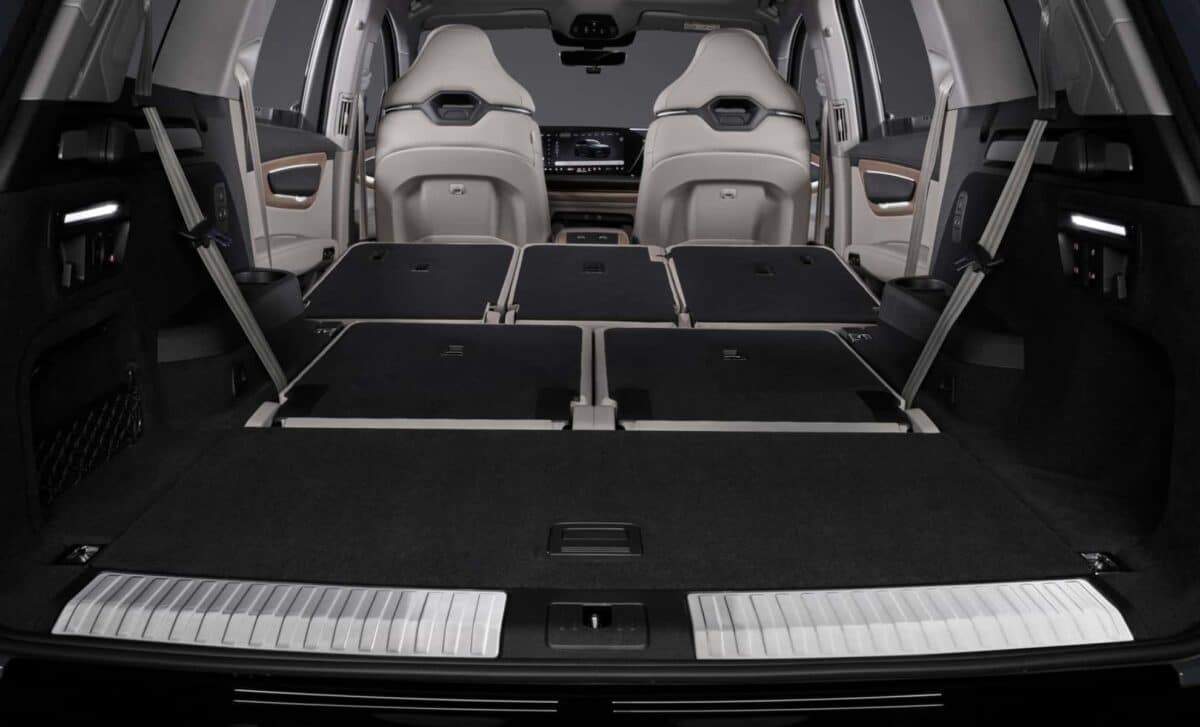
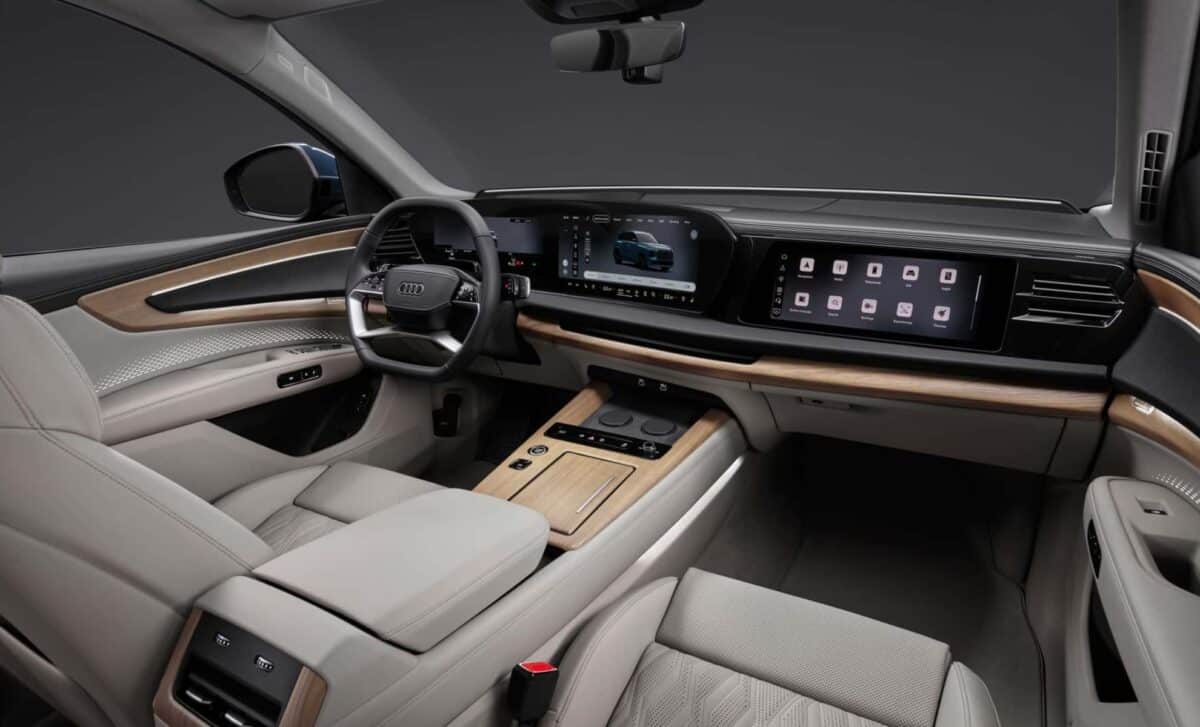
Inside, the 2027 Q7 will be available in both six- and seven-passenger configurations. Buyers can select either a traditional second-row bench seat or a pair of captain’s chairs.
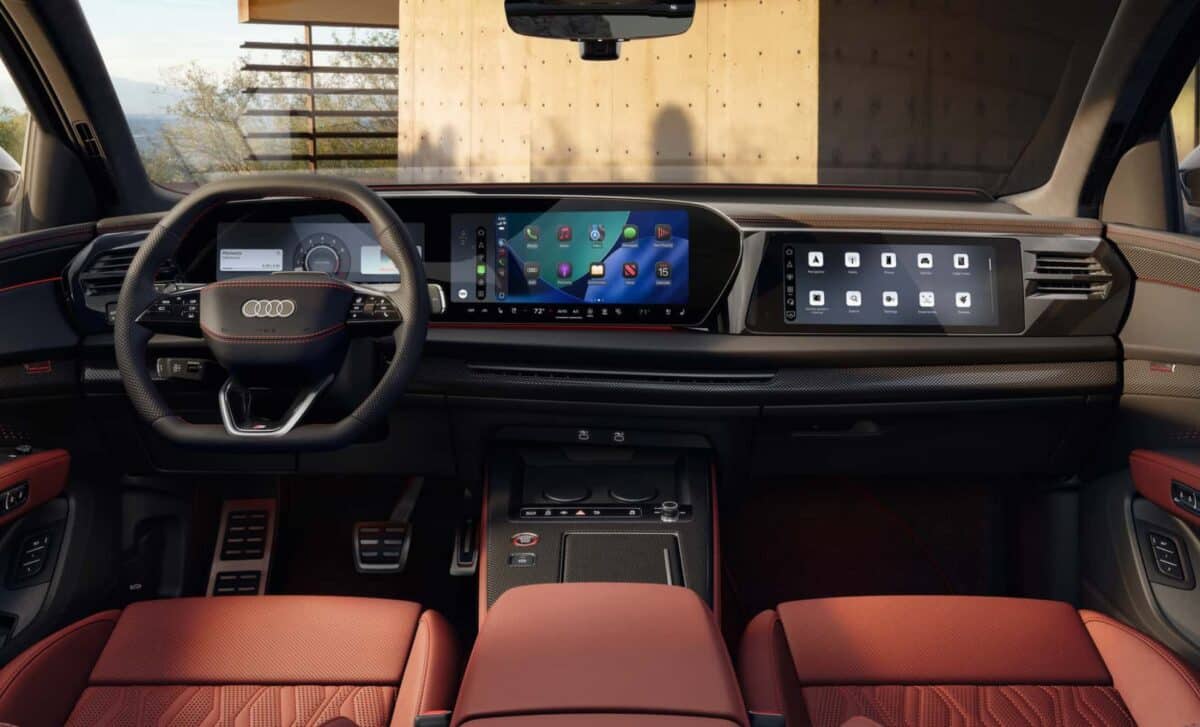
The captain’s chairs are designed to mirror the comfort of the front seats, offering a combination of support and cushioning. Audi has also reduced the use of piano black trim throughout the cabin, replacing it with premium inlays and open-pore wood finishes.
Technology upgrades include two Qi wireless charging pads that incorporate MagSafe compatibility. The chargers are designed to keep phones properly aligned while charging, provide extra space for camera modules, and feature integrated cooling.
The available panoramic roof introduces another new feature. Audi offers an optional version with personalized ambient lighting and a Polymer Dispersed Liquid Crystal layer. This system allows occupants to switch between transparent and opaque settings across nine separate sections of the glass roof.
Q7 and SQ7 Receive Powerful Twin-Turbo Engines
Audi will offer the Q7 with a twin-turbocharged 2.9-liter V6 producing 429 horsepower and 442 pound-feet of torque. The automaker says this engine enables the SUV to accelerate from 0 to 60 mph in 4.8 seconds.
The SQ7 moves further up the performance ladder with a twin-turbocharged 4.0-liter V8 rated at 591 horsepower and 590 pound-feet of torque. This engine is the same unit previously used in the pre-facelift Audi RS6 Avant.
The standard Q7 is powered by a twin-turbocharged 2.9-liter V6 that produces 429 horsepower and 442 pound-feet of torque. Audi says the SUV can accelerate from 0 to 60 mph in 4.8 seconds. The SQ7 uses a twin-turbocharged 4.0-liter V8 delivering 591 horsepower and 590 pound-feet of torque. The engine is the same unit previously found in the pre-facelift Audi RS6 Avant. In SQ7 specification, Audi claims a 0-to-60-mph time of 3.7 seconds.
Audi says the SQ7 reaches 60 mph in 3.7 seconds. Both models are capable of towing up to 7,700 pounds when equipped with the optional Audi towing package.
Every Q7 and SQ7 comes standard with an eight-speed Tiptronic automatic transmission and Quattro all-wheel drive. Adaptive air suspension is optional on the Q7 and standard on the SQ7.
The braking systems also differ between the two versions. The Q7 is equipped with front brakes measuring nearly 15 inches, while the SQ7 receives front rotors approaching 16 inches. Wheel sizes range from 20 to 22 inches on the Q7, while the SQ7 is available with 22-inch or 23-inch wheels.
Audi says both SUVs will begin arriving at dealerships in the fourth quarter of 2026. Pricing details will be announced later this year.