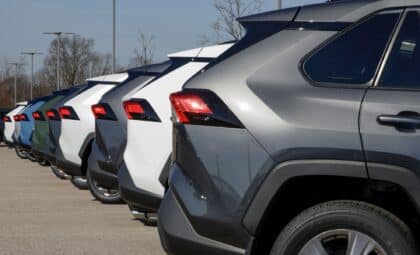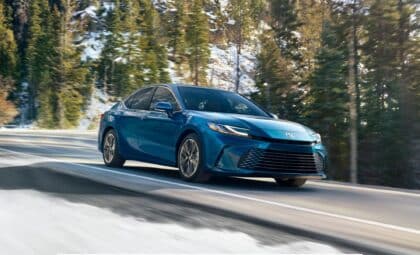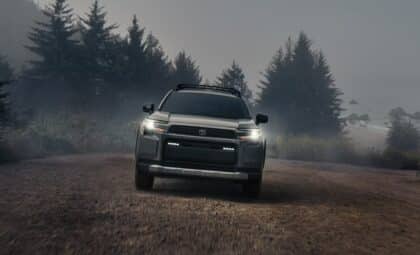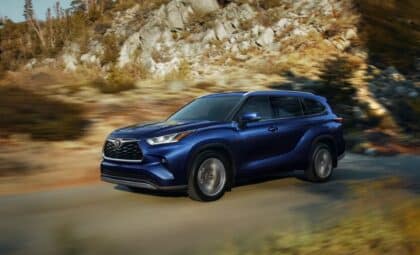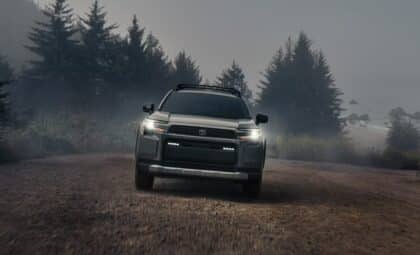
Toyota sold 10,536,807 vehicles worldwide last year, including Lexus models, with demand rising by 3.7% in 2025. That performance allowed the Japanese manufacturer to retain its position as the world’s top-selling automaker for a sixth consecutive year.
Despite those results, higher sales volumes are not the only measure of success. Automakers can increase profitability even while selling fewer vehicles if margins are stronger. Since taking over from Koji Sato on April 1, Kenta Kon has begun reviewing several aspects of Toyota’s operations in search of areas where costs can be reduced and efficiency improved.
A Growing Number of Variants Under Scrutiny
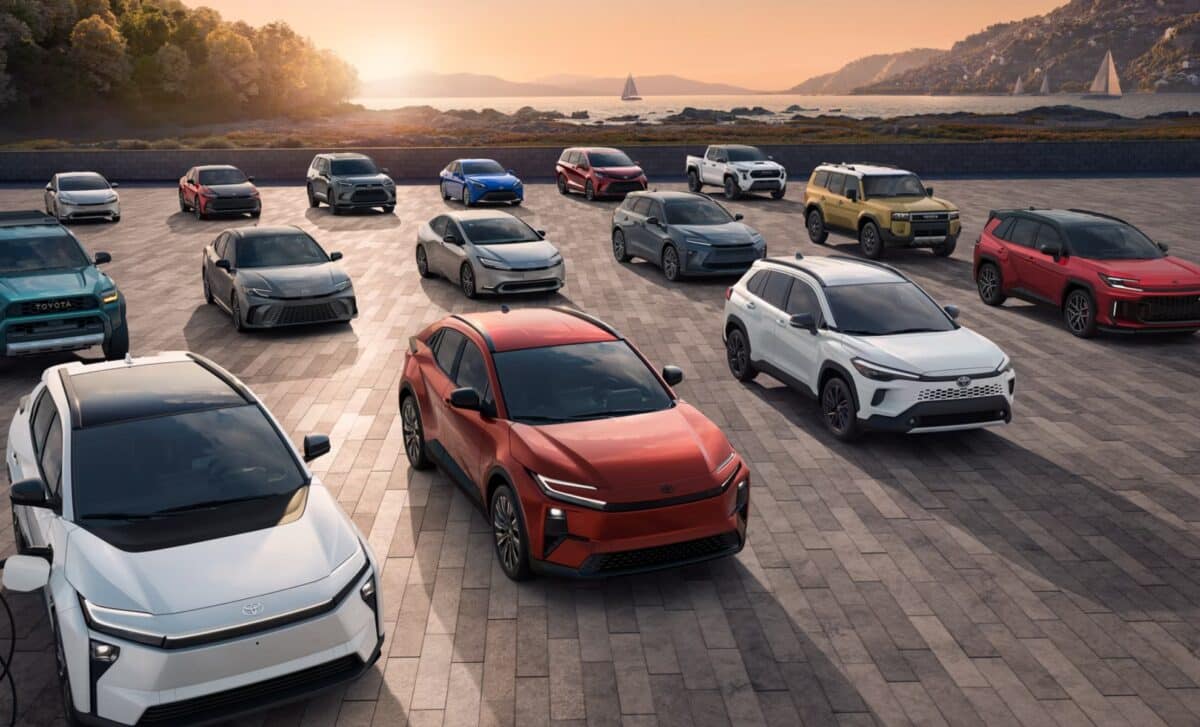
After visiting Toyota’s research and development facilities, Kon identified what he sees as a key challenge: the growing complexity of the company’s vehicle lineup.
The new CEO observed that engineers may be spread across too many projects, specifications, and derivatives. He suggested that the increasing number of configurations being developed is contributing to rising costs.
“If you go to a development division, you see issues such as an increasing number of different specifications and variants being created, which in turn is driving up costs,” Kon said. He added that Toyota needs to examine whether certain activities genuinely add value or whether some work is being performed inefficiently.
At this stage, Toyota has not announced which models could eventually be removed from the lineup.
One Electric Vehicle Project Already Discontinued
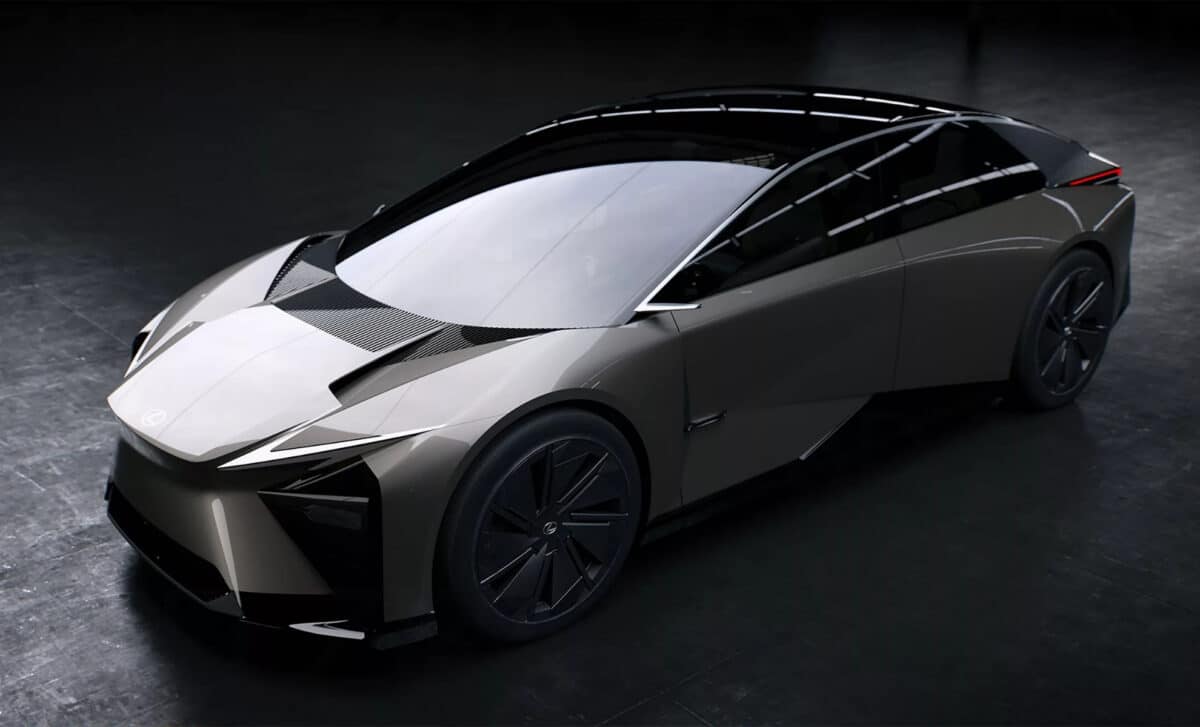
While Toyota has not revealed a broader product reduction plan, one future model has already been abandoned. Lexus has cancelled the LF-ZC electric sedan. The project was shelved because of “fluctuations in market demand and the workload associated with vehicle planning and manufacturing.”
Toyota concluded customer demand for the luxury electric vehicle might not be sufficient to justify the costs of developing and producing it.
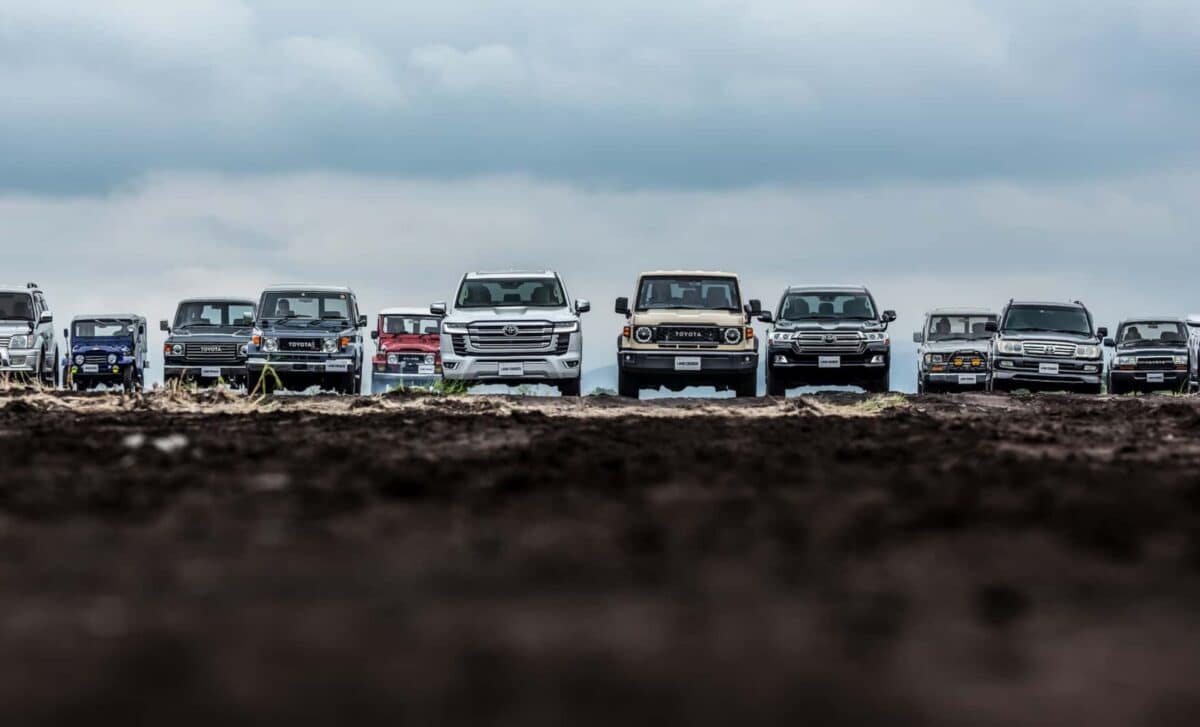
The decision contrasts with the longevity of some existing products in Toyota’s portfolio. The Land Cruiser 70 Series, first introduced in 1984, remains available in markets including Australia and Japan. Although it has received updates over the years, the vehicle still traces its origins back more than four decades.
Hybrid Expansion Remains a Priority
Alongside efforts to improve efficiency, Kon is also focusing on increasing Toyota’s hybrid production capacity.
According to Automotive News, the CEO intends to make corrections and implement improvements in multiple areas of the business. Expanding the company’s ability to build hybrid vehicles is among the priorities identified during the early months of his tenure.
At the same time, Toyota is not planning a rapid shift away from its current multi-powertrain strategy. As reported by Reuters, Kon stated that the company would not be “hitting the brakes suddenly” on offering a wide range of propulsion systems.
As a result, Toyota intends to continue offering gasoline-powered vehicles, hybrids, plug-in hybrids, and some diesel models rather than concentrating exclusively on electric vehicles.
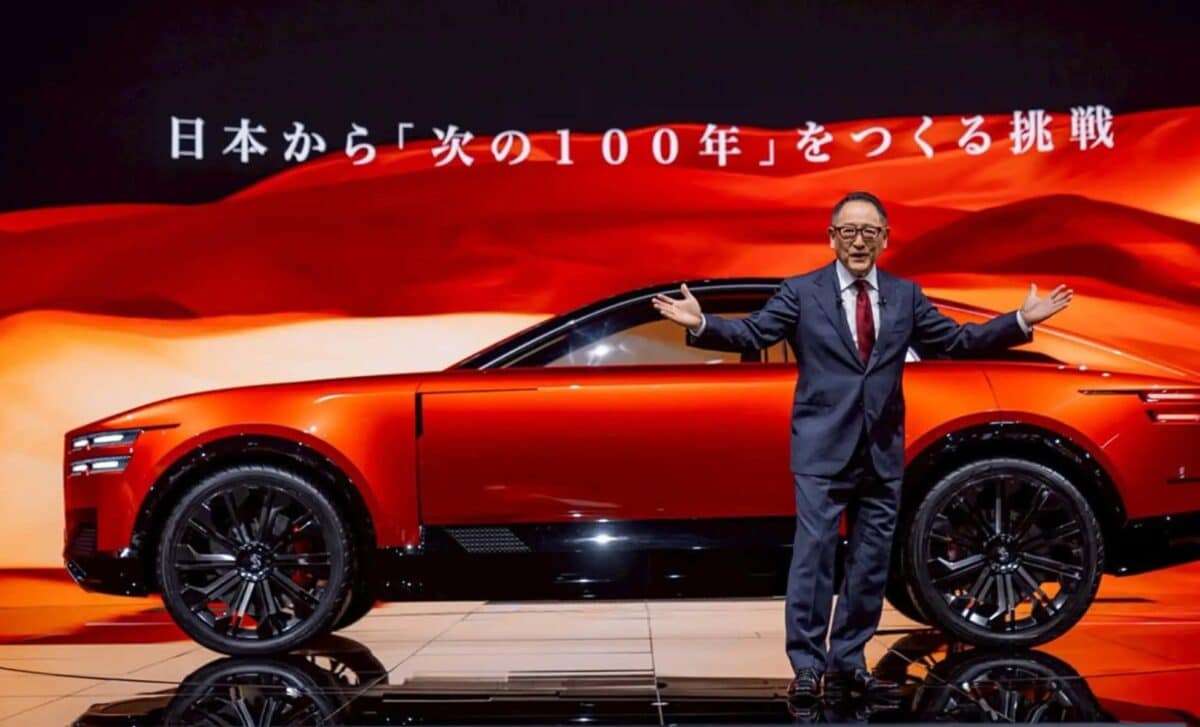
The discussion comes as Akio Toyoda, recently re-elected as chairman by shareholders, continues to voice his views on the future of vehicle technologies. Earlier in 2025, he said electric vehicles would never account for more than 30% of the global market. Today, he believes the automotive industry is increasingly moving toward EVs and has remarked that he feels “very alone” among those still advocating for combustion engines.
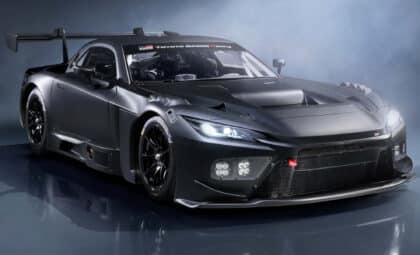
Toyota currently maintains a significant lead over Volkswagen Group in global vehicle sales, while its Gazoo Racing performance division now operates as a separate brand led by the GR GT.