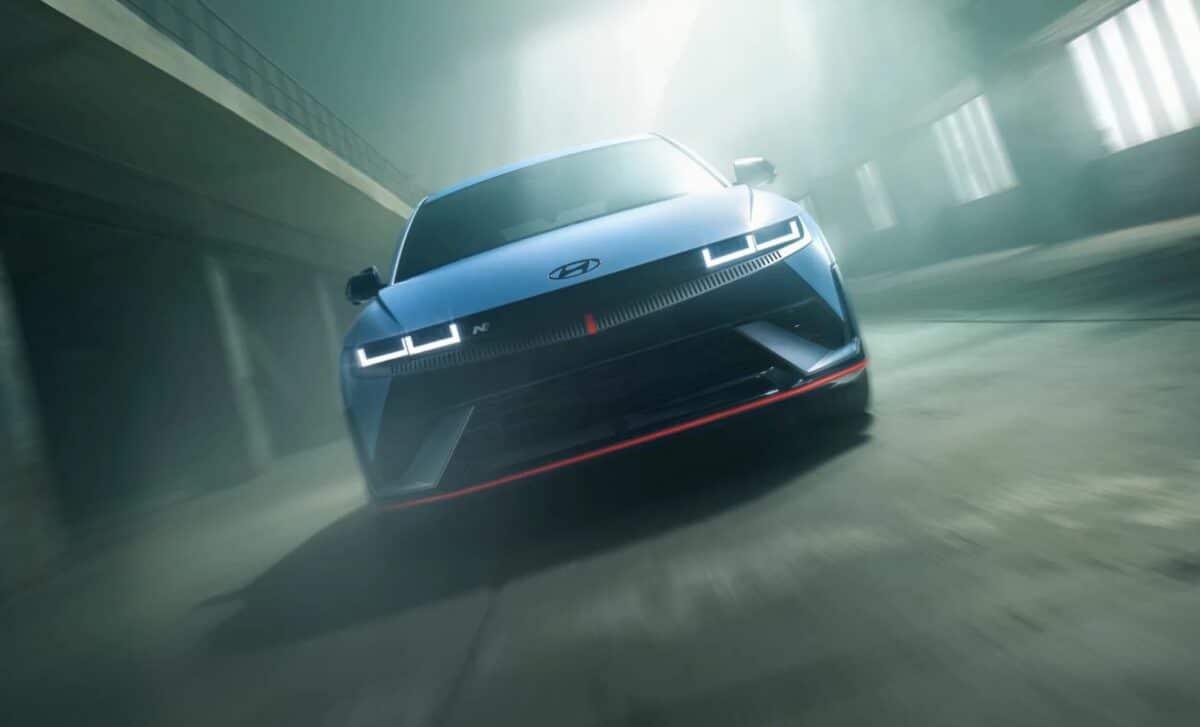
Electric performance cars have often been praised for their acceleration but criticized by some enthusiasts for lacking the mechanical sensations associated with traditional sports cars. Hyundai has taken a different route with its N division, introducing software designed to simulate gear changes and other driving characteristics typically found in internal-combustion vehicles.
That strategy appears set to continue. Hyundai is already testing the next evolution of its N e-shift technology as it prepares a new generation of electric N models built on an updated vehicle architecture.
Hyundai Wants To Expand Its Simulated Gearbox Technology
Hyundai’s future electric N vehicles could feature a broader range of simulated driving effects intended to recreate elements of the combustion-engine experience.
Speaking to Autocar, Hyundai head of research and development Manfred Harrer said the company is exploring additions such as idling behavior, backfiring effects, vibrations and other characteristics normally associated with gasoline-powered vehicles. Harrer did not disclose exactly which features will reach production models, though he confirmed that testing is already underway.
“We are not the serious Porsche guys,” Harrer said. “We are fun to drive.”
The executive also stressed Hyundai’s position in this area of development. Harrer added:
“We are leading—we are not following—on this technology,” before adding that he wants to “make it even more realistic” and “enhance it further.”
A Patented Shifter Aims To Recreate Manual Driving
Hyundai is also investigating new hardware solutions that could work alongside its software-based driving technologies.
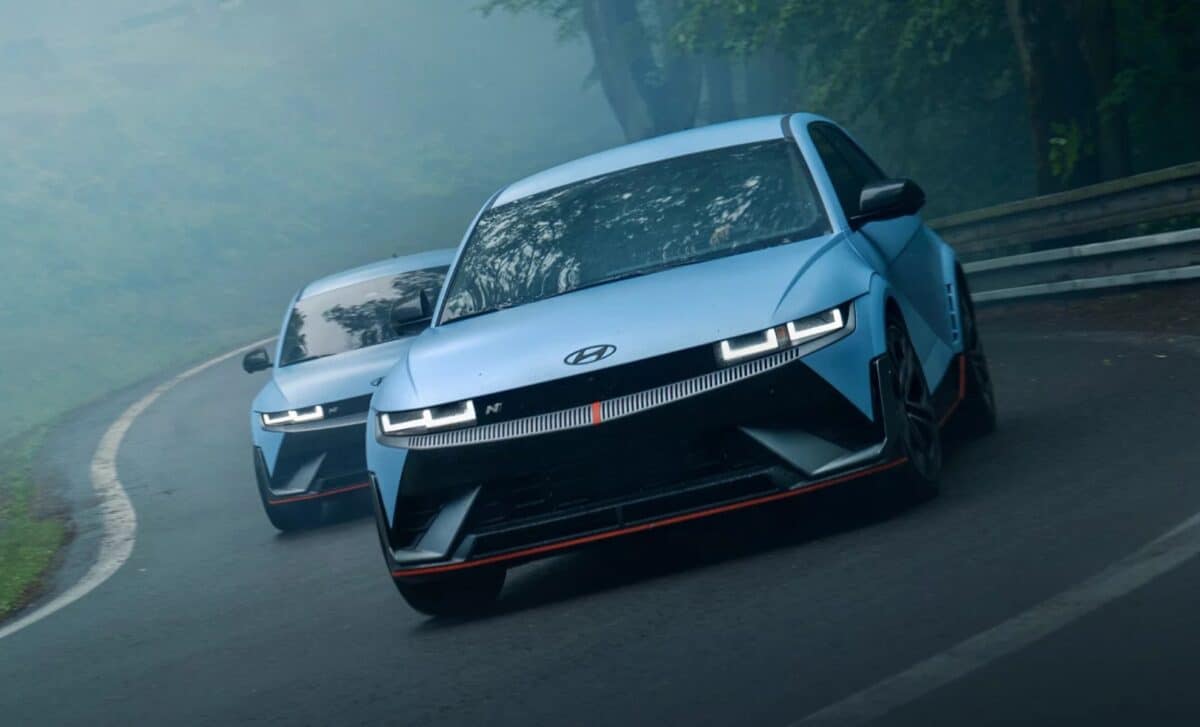
The automaker recently filed a patent for a shift-by-wire mechanism capable of functioning like either a gated manual shifter or a traditional automatic transmission selector. The system incorporates a clutch that enables a manual mode as well as a neutral position.
The purpose of the design is to reproduce the feel and operation of a manual transmission regardless of the actual gearbox fitted to the vehicle. The patented system would be a natural complement to Hyundai’s existing and future N e-shift developments.
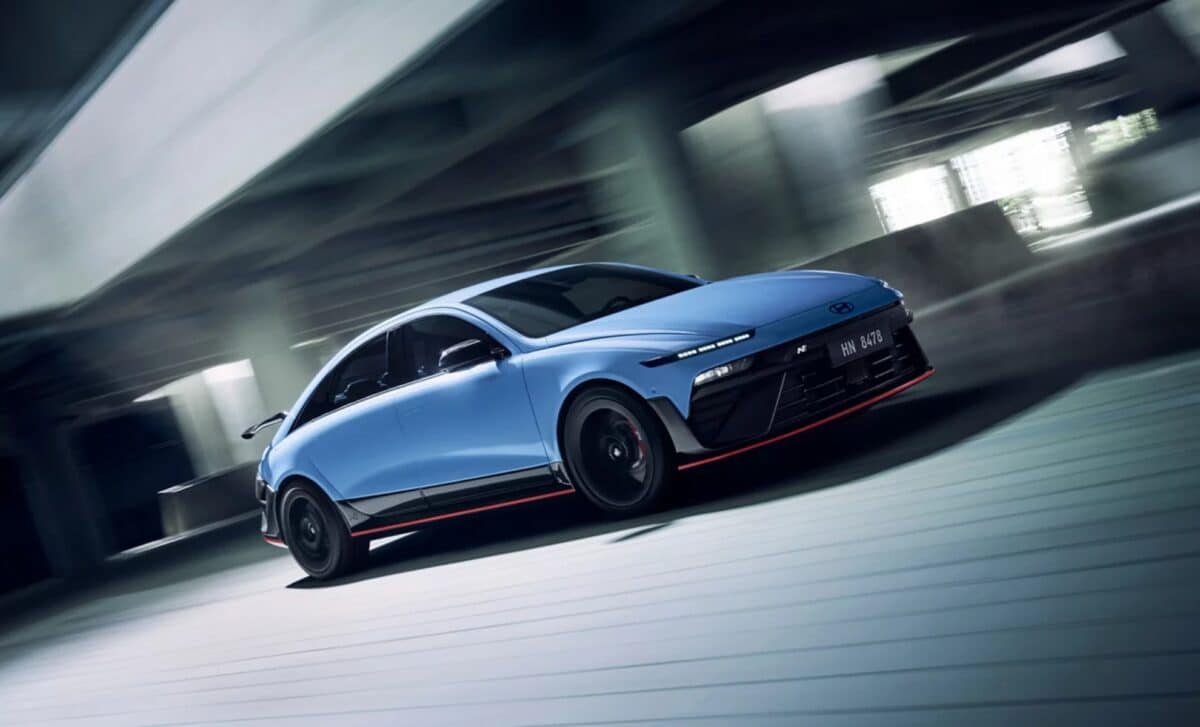
Future N EVs Will Be Based on Hyundai’s New IMA Platform
Beyond driving simulation technology, Hyundai’s next-generation electric N models will also benefit from a new underlying architecture.
These vehicles will ride on Hyundai’s forthcoming Integrated Modular Architecture (IMA), which will replace the current E-GMP platform. E-GMP currently serves as the foundation for the Ioniq 5, Ioniq 6 and Ioniq 9.
Harrer described IMA as not a “revolution” but a “huge evolution,” adding that it would bring “incremental improvements” over the platform it succeeds.
The new architecture will feature upgraded thermal management systems and new battery technology designed to improve efficiency while lowering costs. Hyundai has not specified when its next-generation EVs will begin arriving, although the publication notes that the company’s first modern EVs are now five years old and replacement models are expected to start appearing within the next few years.